Blog
5 Practical Kitchen Organization Tips: Custom Labels for Personal & Business Use

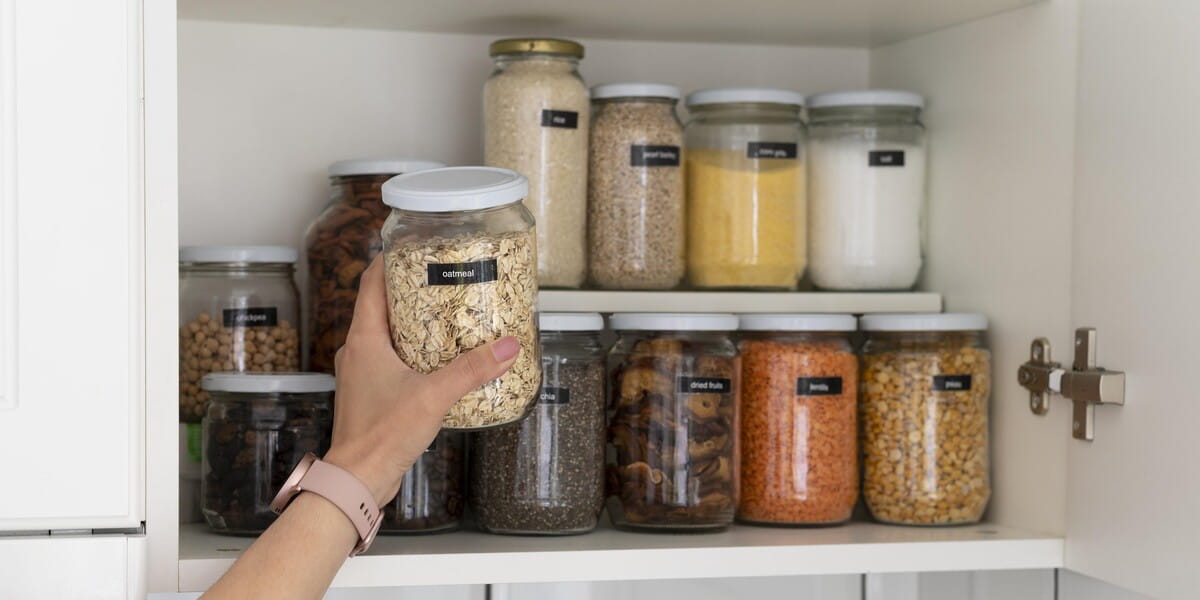
Many kitchens contain similar ingredients, containers, and limited storage, which often causes confusion and wasted time.
Effective kitchen organization tips with custom labels, in this case, help both households and businesses manage storage in a more structured way. It provides a practical solution that improves clarity and creates consistent systems for daily use.
In this article, we at CustomAny will share 5 practical tips when using custom labels for organizing both personal and business kitchens. Keep reading to find out the best kitchen organization tips that can adapt to different kitchen setups and operational needs!
When to Use Custom Labels for Kitchen Organization
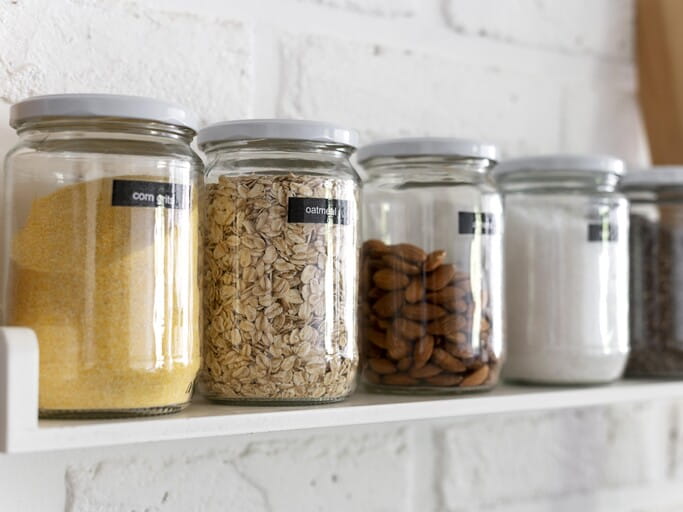
Custom labels play an important role in maintaining order and clarity in different kitchen environments. The need for labeling often depends on:
1. Personal Use
In personal use, kitchen organization is about making daily cooking easier and keeping the space tidy. Most home kitchens store many types of ingredients and containers, so a label for organizing helps avoid confusion.
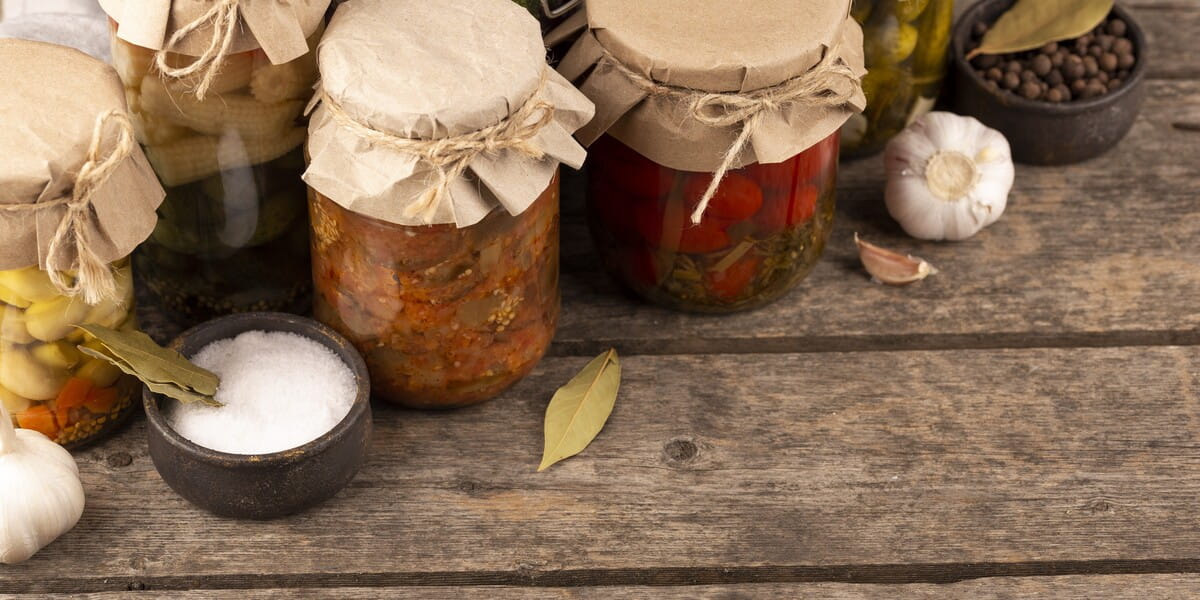
- Custom labels are useful when a kitchen stores similar items such as flour, sugar, or spices in separate jars.
- They also help when you divide food into smaller portions, prepare meals in advance, or store cooked dishes for later.
- Labels become necessary for opaque containers because they help identify the food inside without opening each box.
- For those who prefer an organized and tidy kitchen, custom labels support practical kitchen organization tips.
2. Business Use
Restaurants, cafes, and commercial kitchens stay busy throughout the day, so organized systems become necessary. In this case, custom labels are used when:
- Businesses handle large amounts of ingredients with rapid turnover.
- Multiple staff members work across different shifts
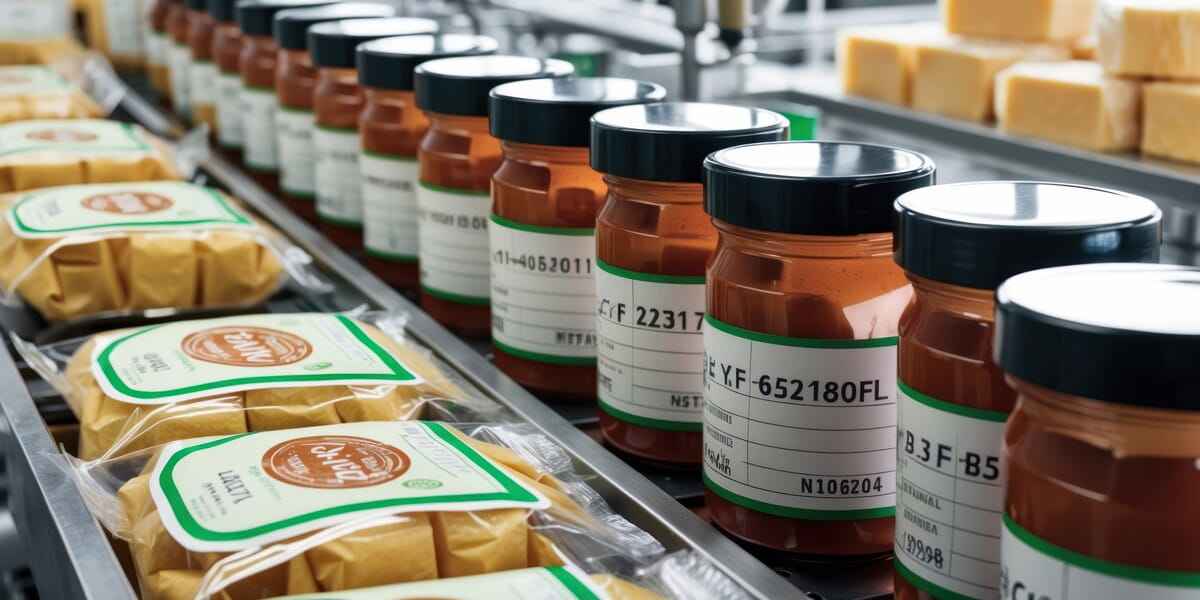
- Kitchens need to carefully track preparation dates, proper storage, and product expiration to meet food safety standards.
Why Custom Labels Are Useful in Kitchen Organization
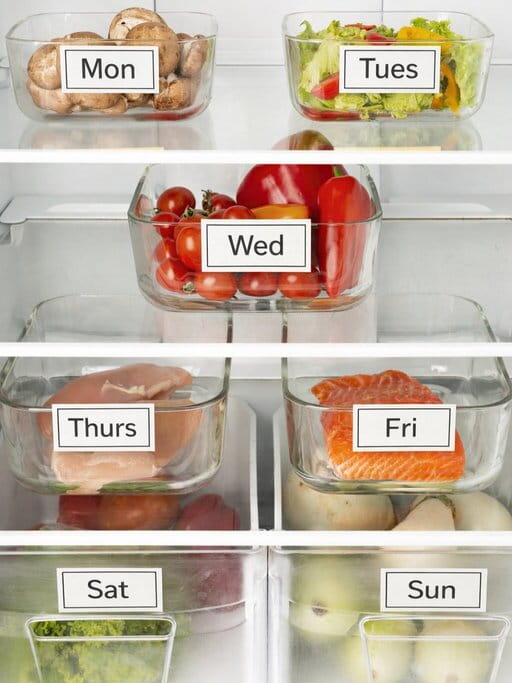
Custom labels are wonderful kitchen organization tips for both home and commercial spaces because they offer:
1. Clear Identification and Mistake Prevention
Custom labels help clearly identify ingredients and avoid confusion in daily cooking. Many kitchens store items that look similar, so labels prevent mixing up, for example, sugar and salt or different types of flour.
Clear dates on each container also reduce the risk of using expired food. Accurate labels create safer food preparation and help maintain more organized storage.
2. Better Categorization and Order
Labels support clear categorization and help maintain order in your kitchen. You can use them to group items by type, and labeled containers make each category easy to recognize. This method fits well with kitchen pantry organization tips, kitchen cupboard organization tips, or any kitchen organization ideas.
3. Aesthetic Appeal for Personal Use
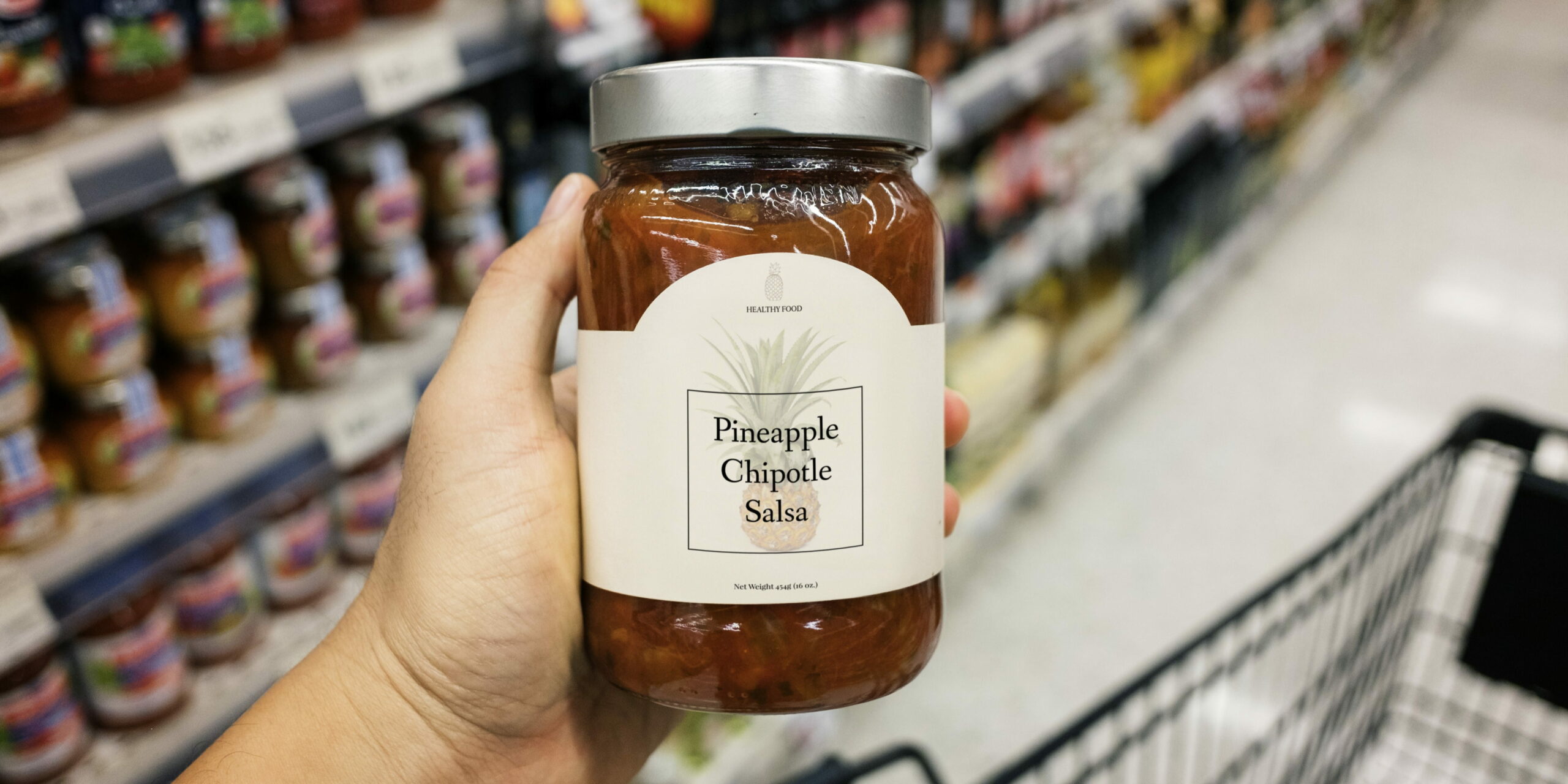
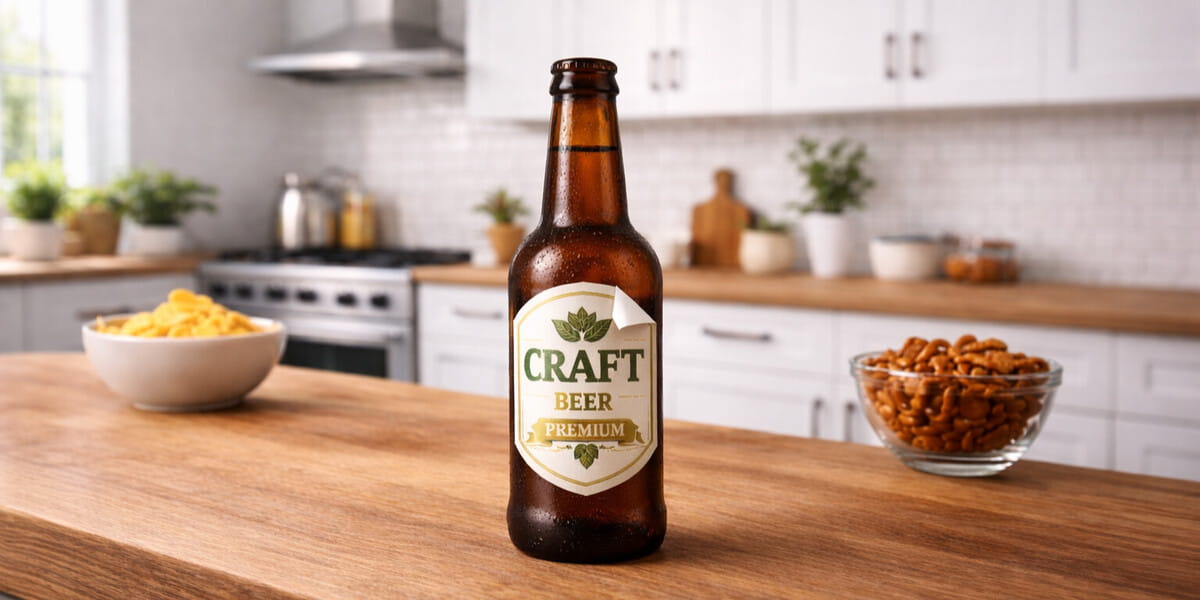
Custom labels create a clean and cohesive look for your kitchen. You can customize their fonts, colors, and materials so they reflect your kitchen’s theme. For example, you might choose clean black text on clear labels for a modern look or soft beige tags for a warm, natural style.
When every container follows the same design theme, it creates a well-arranged and cohesive look for your kitchen,
4. Improve Efficiency in Business Settings
In business kitchens, labels make daily operations easier to manage. Staff can find ingredients quickly when each container shows clear and simple information. Clear labeling also keeps service moving during busy hours and helps teams prepare food in a consistent way.
Practical Kitchen Organization Tips Using Custom Labels
Custom labels can improve storage systems when people apply them with the right methods. Let’s follow these structured kitchen organization tips to take full advantage of the labels.
1. Use a Fixed Label Information Order
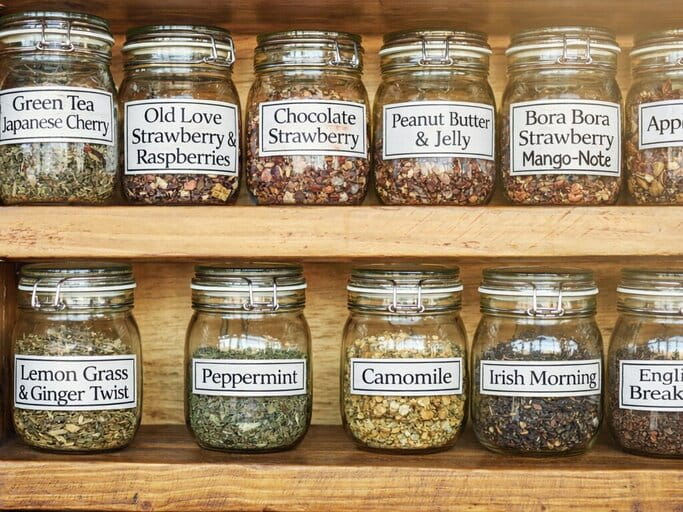
A fixed information order means you keep the arrangement of details consistent across all labels. This helps you read labels quickly without confusion.
For example, you can decide that every label shows the product name first, the category second, and the date last. This consistency supports daily kitchen organization tips because you do not need extra time to search for key details.
A clear structure is also useful when applying small kitchen organization tips, as limited space requires quick movement and efficient use of every area.
2. Design Labels Based on Reading Distance
Different kitchen areas require different label designs to remain easy to read and practical to use.
- Pantry shelves usually sit at eye level, so medium-sized fonts work well in that space.
- Fridge containers often stay lower or inside drawers, so larger and bolder text improves visibility.
- Freezer boxes may need high contrast colors because frost can reduce clarity.
Therefore, you should adjust font size, thickness, and contrast according to the actual reading distance. Label ideas for organizing become more effective when design choices match daily habits.
3. Separate Identification Labels from Date Labels
Separating the product name and the date into two different labels is a great method to avoid replacing the labels each time the date updates. You can use 2 different labels:
- The main identification label provides information such as the product name, category, or storage instructions, which stays on the container for long-term use.
- A smaller date sticker can change whenever food is prepared or stored again.
Organized systems like this are among practical kitchen organization tips because it keeps information clear and reduces unnecessary reprinting and relabeling. This approach also limits material waste and maintains order for all containers in your kitchen.
4. Choose Label Material Based on Kitchen Zones
Each kitchen zone has different environmental conditions, so label material should match the space. Temperature levels, humidity, surface contact,… vary across storage areas, which directly affect how well a label performs.
- Pantry areas stay dry, so paper-based labels with strong adhesive usually work well.
- Fridge storage includes moisture and temperature changes, so waterproof vinyl labels perform better in that area.
- Freezer containers require materials that resist cold and prevent peeling.
- In prep areas, labels should resist oil splashes and frequent handling, like laminated labels.
Choosing materials according to kitchen conditions allows labels to maintain clarity and strong adhesion. This reduces wear and tear and limits the need for replacement, supporting long-term kitchen organization tips.
5. Place Labels Along the Handle / Lid Opening Direction
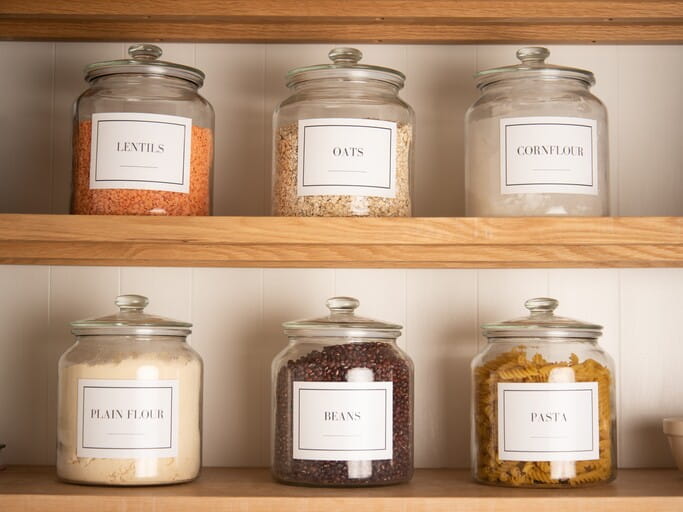
Label placement affects how quickly you read information during use. Hence, a container that opens upward should display the label in the same direction as the lid movement. When you grab a handle, the label should face their line of sight naturally.
This allows you to read the label when open or lift the container, and you do not need to rotate or flip the box to find details.
Last words
In conclusion, thoughtful labeling systems can transform everyday storage into a clear structure for both homes and businesses. When you apply these practical kitchen organization tips consistently, your kitchen becomes easier to maintain and more efficient to use.
If you are looking for the custom label and sticker options, visit our website to find designs that match your kitchen style and operational needs. Our printing service provides reliable, high-quality labels for clear and efficient kitchen organization.