Blog
Why Your Product Labels Peel Off and 6 Steps to Prevent Peel Off Labels

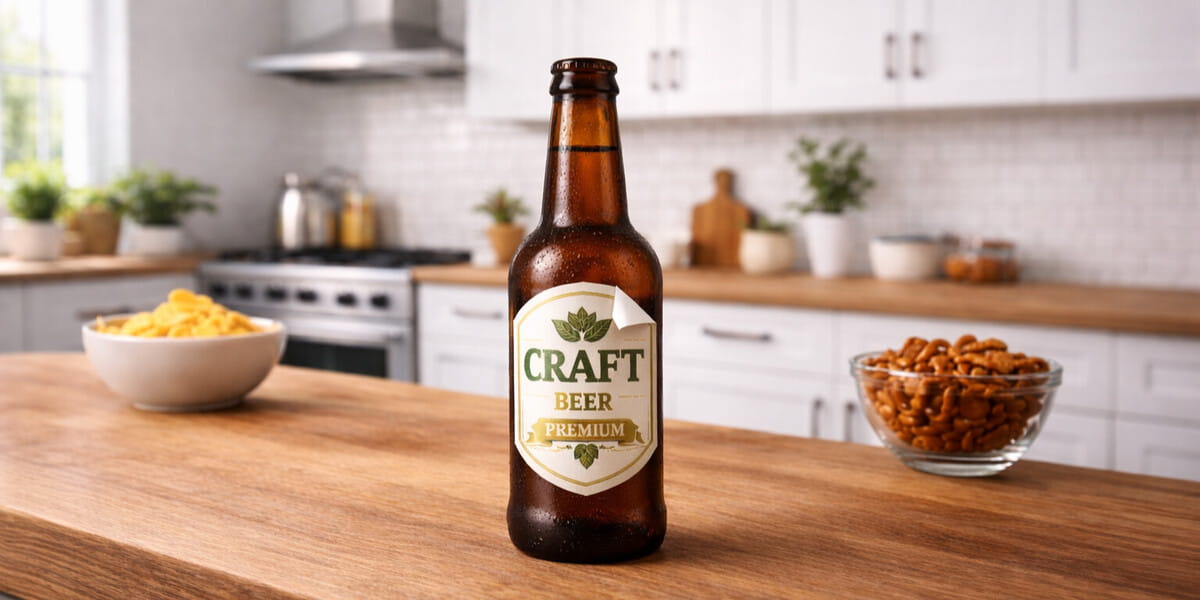
Peel off labels can appear anywhere, from food bottles at home to products on store shelves. During shipping, storage, or daily handling, labels may begin to peel unexpectedly. As peeling progresses, products become more difficult to use and less appealing.
Therefore, in this article, we at CustomAny will explain why labels peel off and introduce 6 simple steps to prevent peel off labels. These tips help your labels stay in place longer, whether at home or in professional packaging. So let’s explore!
What are “Peel Off Labels”?
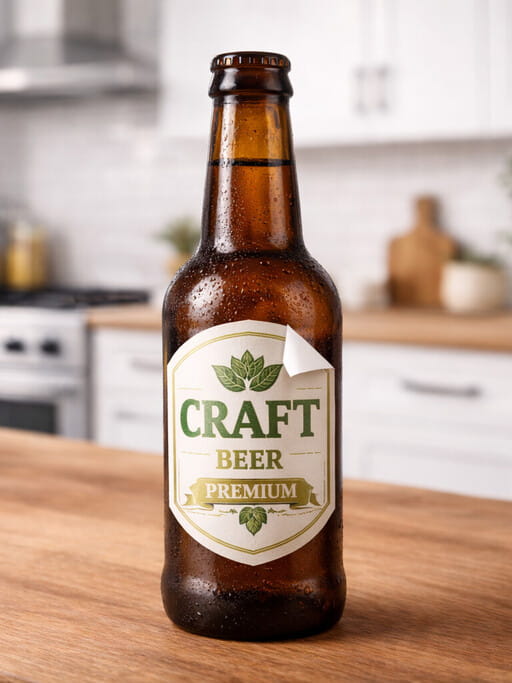
Peel off labels are product labels that lose adhesion and separate partially or completely from a surface. Peel off sticky labels usually appear in different forms, and these forms range from slight edge lifting to complete label separation.
Label lifting at edges vs fully peeling off
Label lifting at edges occurs when adhesive strength weakens at corners or along label borders. This problem often allows dust, air, and moisture to enter beneath the label and gradually reduce overall adhesion.
In contrast, fully peeling labels occur when the adhesive fails to adhere across the entire surface area. This complete loss of adhesion causes the label to be removed entirely from the product container.
When peeling happens
Peel off labels on products may occur in different ways, such as:
After application
Peel off labels can appear immediately after the labeling process is completed. Some product labels show visible lifting or separation shortly after placement on the container.
Early peeling often affects the overall appearance of custom labels, leaving products looking unfinished.
During shipping
Peeling can also become noticeable while products move through shipping and handling processes. In this stage, labels are often partially or completely detached on bottles and packages.
After storage / customer use
In many cases, labels may begin to peel after storage or during everyday use. Peel off labels often appear after products remain in storage for a period of time or once customers begin handling or using the product.
Why Your Product Labels Peel Off
Peel off labels appear at each stage of application, shipping, after storage and customer use. This issue reflects deeper problems related to surface conditions, material quality, application methods, and environmental exposure.
1. Surface Condition

Surface condition strongly influences how well product labels adhere after application. For instance:
- Dirty surfaces (dust, oil residue, …) prevent adhesives from bonding properly with containers.
- Cold or damp surfaces reduce adhesive effectiveness during labeling and cause peel off labels soon after..
- Rough or textured surfaces decrease effective contact area and cause peeling.
- Curved or tapered surfaces create uneven pressure that causes labels to lift and peel.
2. Poor Label Quality
Poor label quality contributes significantly to peeling problems.
- Weak adhesive fails to hold labels securely across the container surface.
- Low flexibility label materials are also hard to adapt to curved packaging shapes.
3. Incorrect Application
Application technique significantly influences how a label performs after that. Weaken adhesion can happen if during labeling, you made mistakes like:
- Skipping surface cleaning leaves dust, oil, or residue that interferes with adhesive contact.
- Uneven pressure during application
- Not firmly press the edges
- Repositioning labels multiple times
- Fast application on curved surfaces
4. Environmental Factors
After labeling is complete, external conditions can still affect label performance, for example:
- Large temperature changes stress adhesives and label materials.
- Frequent exposure to moisture softens adhesives and causes edge lifting.
- Prolonged handling and friction loosens label edges gradually.
These causes will lead to peel off labels problems.
6 Steps to Prevent Labels from Peeling
Preventing label failure requires careful attention at every stage of the labeling process. These 6 practical steps explain how to keep labels from peeling and maintain professional packaging.
1. Clean and dry surface
Dust, oil, or moisture reduces initial adhesion and increases the risk of early lifting. Therefore, the first step is to focus on surface preparation. This means removing visible dust, wiping away oil residue with a suitable cleaner, and allowing the surface to fully dry before label application. A clean and dry surface allows the adhesive to bond directly and evenly.
2. Match label material to container type
Material selection is the next critical consideration. Different container types, such as glass, plastic, and metal, interact with labels in different ways. For instance, a coated film label performs best on sleek plastic, while a textured paper suits glass perfectly.
This careful selection directly answers the question of how to keep labels from peeling, as the right material reduces the peeling labels off bottles during storage and daily handling.
3. Choose correct adhesive strength
Adhesive strength also influences long-term performance. It must suit how the product will be stored, shipped, and handled.
For example, dry indoor products often succeed with standard adhesive that maintains stable contact. Meanwhile, products stored in coolers or ice buckets require higher adhesion to resist moisture and temperature shifts.
Matching adhesive strength plays a crucial role in preventing labels from peeling over time.
4. Use flexible labels for curved containers
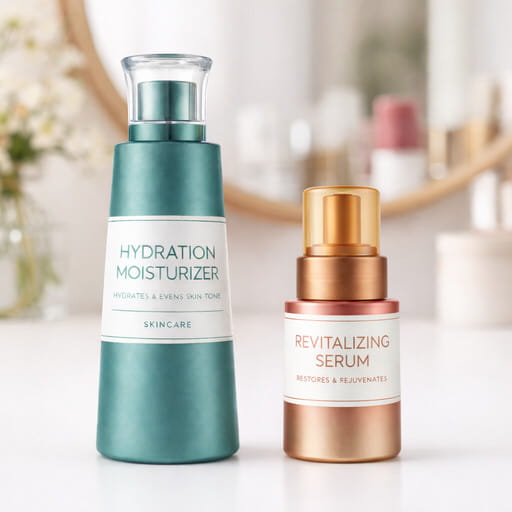
Curved containers apply uneven force to labels due to their shape. Hence, you need to use flexible label materials to maintain consistent contact across the surface. Flexible label materials, such as thin film labels or stretchable synthetic labels, can bend and adapt to these surfaces more effectively than rigid paper ones.
This adjustment prevents wrinkling and uneven bonding and then reduces the risk of peeling over time.
Related read: “Comprehensive guide and 4 tips for applying vinyl to curved surface“
5. Apply even pressure, especially on edges
The way pressure is applied determines the consistency of adhesion. Balanced pressure helps the adhesive spread evenly beneath the label.
Especially, the edge areas need more attention because this is where the peeling off begins. Strong edge contact enhances overall label performance and prevents peeling.
6. Allow adhesive to set before handling
Adhesives require time to reach full bonding strength after application. Immediate handling can disrupt adhesion and weaken label performance. That’s why you should allow a setting period to stabilize the adhesion and improve durability.
This step helps ensure labels remain intact during transport and customer use.
Last words
Good label performance without peeling comes from careful prevention and a great understanding of peel off labels issues. With the right guidance and dependable production, labels can stay secure and look good for the long term, helping your products remain functional and appealing throughout their lifecycle.
At customany.com, we offer sticker and label options that focus on reliable quality. Our team also supports customers through design, printing, and practical usage, ensuring each label fits its intended purpose. So, if you are looking for a printing partner, try ours by going to our product page here.