Blog
4 Ways to Remove Air Bubbles from Labels (and Apply Them Bubble-Free)

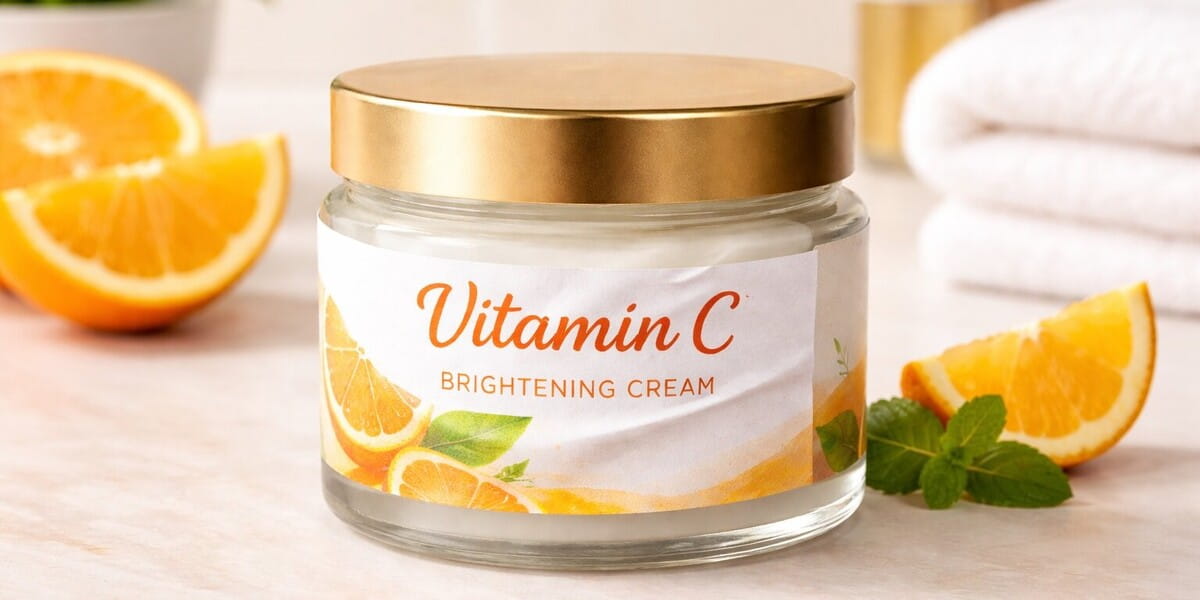
Remove air bubbles from labels becomes a need when bubblings appear under your product labels and become noticeable over time. It affects your products’ appearance and affects the trust your customers can put on what they purchase. So, if you are looking for an option to address the bubbling labels, you are at the right place.
In this guide, together we will discover 4 practical ways to remove air bubbles from labels after the issue has already shown up. We from CustomAny also share how you can reduce the chance of bubbling from the start, so you can avoid unnecessary costs, save time, and confidently launch products with flawless labels.
Is My Product Label Trapping Air Bubbles?
Firstly, before any attempt to solve the problem, let’s check if your custom product label is actually trapping air bubbles underneath:
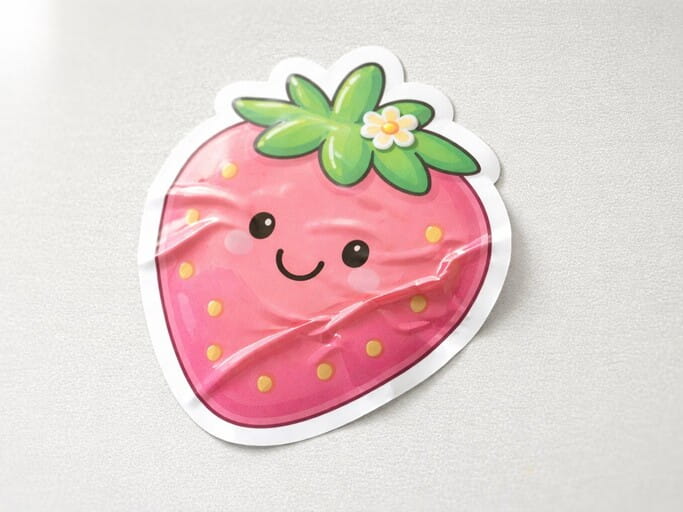
Air pockets:
The signal of a bubbling label is that air pockets appear between your label and the surface it is put on. They are small raised areas that make the label lift slightly away from the surface.These raised spots often look rounded and uneven, becoming more noticeable under angled light.
Wrinkles:
Besides, bubbling labels also show as wrinkles. They are visible lines or creases across the label material rather than a single lifted spot. This happens when there is much air trapped under the labels, making surface folds unevenly. Wrinkling even increases the chance of your labels lifting or peeling over time.
Common Causes of Air Bubbles under Labels
Once you are sure you are facing air bubbles under product labels, it’s time to find down the most common reasons that lead to this issue:
1. Surface Issues
The surface that your labels are applied on should be the first thing we need to check if air bubbles appear.
Uneven or textured surfaces
If your products have uneven or textured surfaces, there can be small gaps between the labels and the surface once labels are applied. This happens because the surface does not provide a stable, consistent base, so your labels adhesive cannot bond evenly. The gaps are where air stays trapped underneath, creating bubbles across the label.
Curved or tapered shapes
On curved or tapered products, you are dealing with surfaces that change shape along the label area. Some sections pull tighter while others stay looser, creating pockets where air remains under the label.
Unclean surfaces
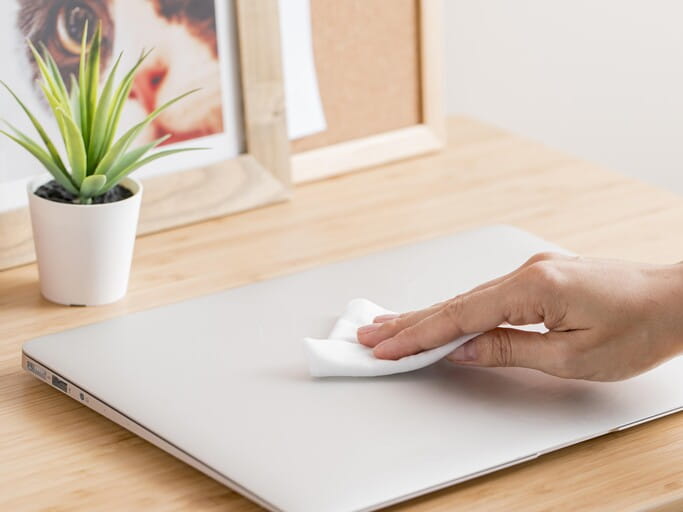
If you apply labels onto surfaces with residue remains, whether it is dust, moisture or oil, the label adhesive can bond firmly. That weak adhesive leaves space for air to stay beneath the label, leading to visible air bubbles afterwards.
2. Label Material
Next, check if your label material is the reason air bubbles form:
Low-flexible label materials
Label materials which have low flexibility are less likely to adjust smoothly to surface changes, especially on not-flat surfaces. When the material does not adapt well to the product surface, there may be areas on the label which resist the shape of the product, leaving space underneath for air to remain.
Inconsistent adhesive coating
If labels are poorly made with an uneven adhesive layer, their adhesive strength will vary across the surface. When some parts can’t adhere well like others, air bubbles may form under these weaker sections.
3. Application Errors
Next, how your labels are applied can influence whether air stays trapped underneath. There are some mistakes during placement that can create air bubbles:
Applying too quickly
If you apply too quickly, you are not allowing your labels to settle gradually. When the whole label is put on at once, air can get sealed in. This even more commonly happens with larger size labels.
Lack of pressure
When applying, lacking steady, even pressure can result in labels with loosely attached areas. Air can remain underneath those areas after application instead of being pushed out toward the edges.
Misalignment and reapplied multiple times
In case you misalign the labels at the start, you may shift the labels, or even lift them up and reapply. This kind of mistake will trap air along edges or corners, making air bubbles appear noticeable once the label sits in place.
4. Environmental Factors
Environmental conditions related to where and how your products are stored or handled, can also lead to air bubbles issues.
Temperature
If the temperature changes harshly or frequently, labels’ adhesive strength can change. As a result, parts of the label may fail to bond evenly, leaving air trapped underneath.
Moisture
Moisture in refrigerators, bathrooms, or ice buckets, can sit between the label and the surface, creating air bubbles forming beneath the label over time.
So these are the common causes which lead you to the question of how to remove air bubbles from labels. Once you know what is behind the issue, choosing how to remove air bubbles from labels or prevent bubbling becomes much easier.
How to Remove Air Bubbles from Labels
It’s time to discover how to remove air bubbles from labels. Depending on the cause and the current status, there are different ways to remove air bubbles from labels without damaging the surface or the label itself.
1. Smooth out the air bubbles
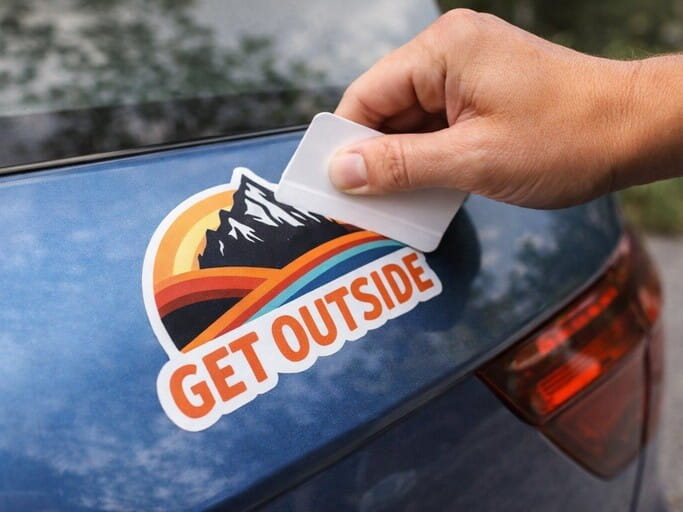
The first approach that you should try is to guide the trapped air toward the edge of the label and try to push it out.
Specifically, you will need:
- Use your thumb, a plastic card, or a soft squeegee
- Gently push the air bubbles, starting from the center of the label to its outward so the air can release from the edge
- Repeat that movement until all the trapped air escape
This approach of how to remove air bubbles from labels works best for small bubbles and when the label adhesive is still flexible.
2. Soften the adhesive
When the adhesive is already set, making it softer will help in how to remove air bubbles from labels.
- Use a hair dryer or a heat gun, set at a low heat level to apply heat to your labels
- Remember not to expose the heat source too near the labels to prevent overheating it
- Use the smoothing out approach again. With softened adhesive, it will be easier to remove air bubbles from labels since you can guide air out more evenly.
3. Release trapped air with a pin
Some stubborn air bubbles may still remain even if you try to smooth out the air multiple times. This is where directly releasing works. You will need to:
- Use a fine needle and pin into the bubbles near their edge of the bubble, creating tiny openings for the air
- Apply light pressure on each bubble to push air out through the opening
For this approach, you should be careful and use light force to avoid damaging your labels.
4. Reapply the label
What should you do if smoothing or releasing air may not be enough? It’s time to consider reapplying the labels, which gives you consistent results. You can:
- Peel off the label and reapply if it has a repositionable adhesives
- If the adhesive doesn’t allow for reapply, completely remove the bubbling labels and replace it with a new one
You may want to check our additional guidance blogs on “How to remove sticker label residue” from common materials and surfaces.
So, choose the most suitable way to remove air bubbles from labels based on the condition of the label and adhesive. Do it with caution and care to ensure a smoother label results.
How to Apply Labels and Avoid Air Bubbles
In fact, even if you know how to remove air bubbles from labels, it does not always deliver the results you expect. This process, additionally, often takes extra time and effort that can affect your operating costs and shipping schedules. Hence, preventing bubbling from forming right at the start is the smartest thing to do.
1. Choose the Right Label Material
Choosing quality labels, which means they can handle product shape and environment conditions, plays a major role in whether bubbling appears later. So, before ordering product labels, you should check:
Whether they have even adhesive and made with flexible materials
Labels with evenly coated adhesive and good flexibility adapt more easily to surface changes. This becomes especially important when labels are applied to curved or tapered surfaces, where rigid materials tend to trap air underneath.
Labels for cold storage vs. room temperature vs. wet environments
Different environments require different label types which can perform well under specific circumstances. Clearly communicate with your label supplier to choose the most suitable labels for your uses, even if it is cold storage, at room temperature, or wet conditions.
To ensure both of these points, we recommend sourcing labels from reputable label printing companies, as well as testing with small quantities of labels before ordering larger runs.
2. Prepare the Surface: Clean and Dry
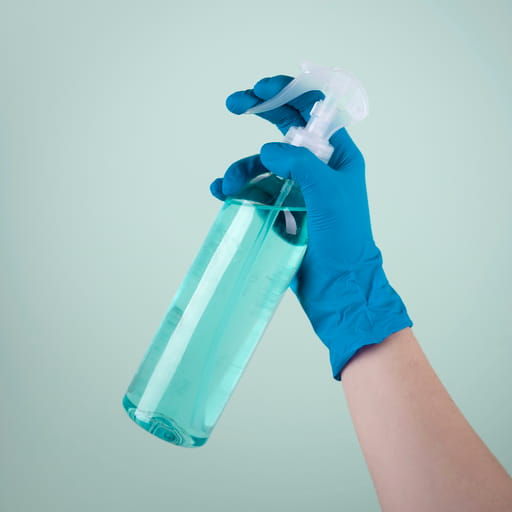
How you prepare the applying surface is the foundation for smooth label application. Make sure you remove residue beforehand, clean and dry the surface so your label adhesive can bond to it firmly. This will reduce the possibility of air staying trapped underneath.
3. Apply Labels Correctly
The next stage, applying the labels, strongly influences how air moves and how the adhesive settles afterward. Applying correctly means:
Apply from center outward to push out air
You must place the label onto the surface starting from its center to its edges. This prevents sealing air underneath the label during application.
Use consistent pressure during application
Remember to use pressure while applying, from center to edges and across the label surface. Reapply pressure when the whole label already sits on the surface. Pressure will support uniform adhesion and limit weak spots where air bubbles may form under your label after applying.
Allow labels to set before handling or packing
Once you finish applying and reapplying pressure on the label, giving it more time so the adhesive stabilizes, forming a firm bond. This reduces movement that could reintroduce trapped air.
When these steps are followed from the beginning, your labels are applied correctly and tend to last perfectly. The need to remove air bubbles from labels later will become far less necessary.
Last words
After discovering 4 practical methods of how to remove air bubbles from labels and tips for applying custom labels correctly, now you can keep your labelling smooth and professional. This knowledge also prevents falling product presentation, saving time and cost for your brand.
If you’re planning to print custom product labels or business logo stickers and want reliable results, you should try our printing service. We make custom stickers and labels, focusing not only on real-life performance but also on brand-identity building. CustomAny is also eager to support our customers throughout the printing process, from designing advice to application concerns. So, if you are ready to create product labels or branded stickers, our team is always available to help.