Blog
Common Label Sizing Mistakes (and How to Avoid Them)

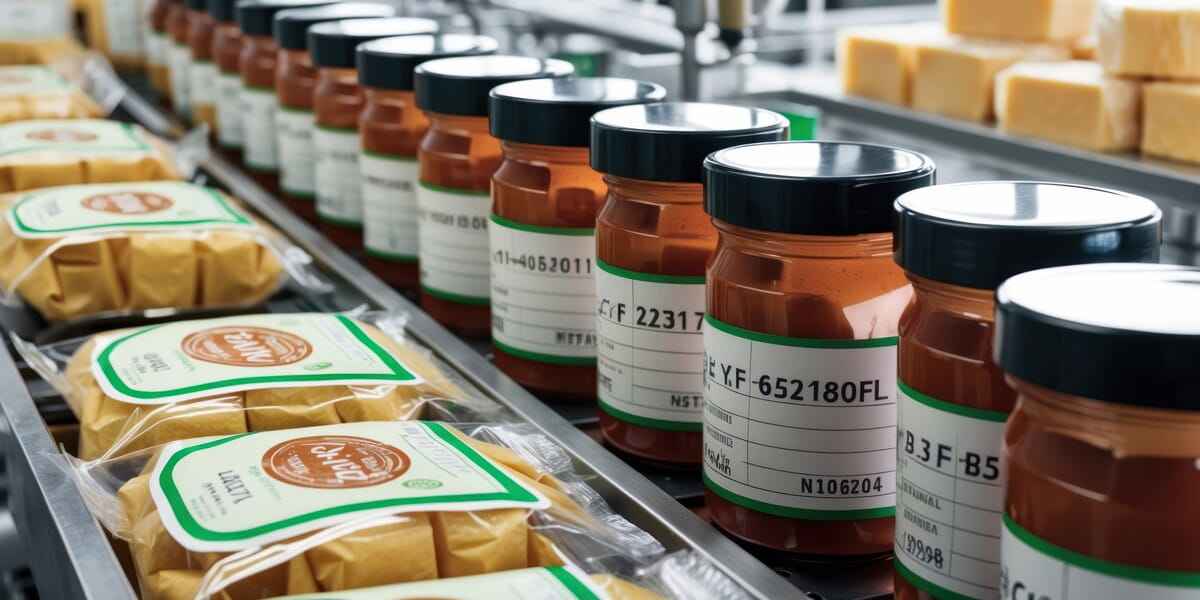
Label sizing mistakes are those that you may make in the producing process, then they become obvious when you complete printing or after you have already placed the custom label on finished products. Wrong zing labels, in these cases, can affect your label accuracy or aesthetic, application result , and overall packaging quality.
So, our article will introduce you to the most common label sizing mistakes and what issues they can lead to. We also learn why they happen and how to avoid these mistakes with practical steps. Our guide means to help you prevent label sizing mistakes which can cause you wasted materials, delayed shipments, and unnecessary rework. So, let’s get started!
1. One of The Label Sizing Mistakes: Ignoring Edges and Seams
Among common label sizing mistakes, ignoring edges and container seams should be the first thing we need to consider.
What can go wrong
When designing your label print files, there are times we can leave text, logos, or barcodes sitting near the edges and ignoring the seams. This is when the remaining spacing becomes sufficient, leading to:
- Trimmed out content during cutting
- Fold or disappear content along container seams
This label sizing mistake results in labels that don’t function as intended.

Why it happens
This label sizing mistake usually comes from trying to maximize available space for your label content without considering:
- Cutting and trimming lines
- Label shift during application
- Real containers’ features
How to avoid it
To prevent issues coming from edge and seams mistakes, technical spacing settings need to be followed at the design stage. When you allow areas for bleed, trim, and safe zones, labels’ important information is protected.
When you create a print-ready files, take these into account:
- Bleed: Leave at least 1/8 inch for bleed
- Safe zone: Keep all critical content 1/16–1/8 inch away from trim lines
- Avoid placing key information near known seam areas
These small changes can help you reduce the risk of losing critical content and maintain both clarity and consistency on your labels after application.
2. Using the Wrong Templates
Another label sizing mistake is using templates that do not match the final die-cut. Your design file may appear aligned and proportional on the screen but its final result can be completely different after being cut and applied.
What can go wrong
Labels created with incorrect templates often leads to issues like:
- Designs appear off-center
- Corners are clipped or uneven
- Margins look inconsistent from one label to another
These problems become obvious on physical products, especially when labels are applied in batches, making your packaging unprofessional or even unreliable.
Why it happens
This label sizing mistake usually occurs when you use:
- Outdated templates
- Templates from unreliable sources
- Self-measured dimensions
- Templates are resized manually, affecting bleed and cut lines
How to avoid it
A safer approach when preparing print files for labels includes:
- Using templates provided by your label printer
- Only rescaling your file when you are fully aware of how it impact on cutting and spacing
- Checking die lines, bleed zones, and safe areas before export the design file for printing
3. Incompatible Designs with Curved Surfaces
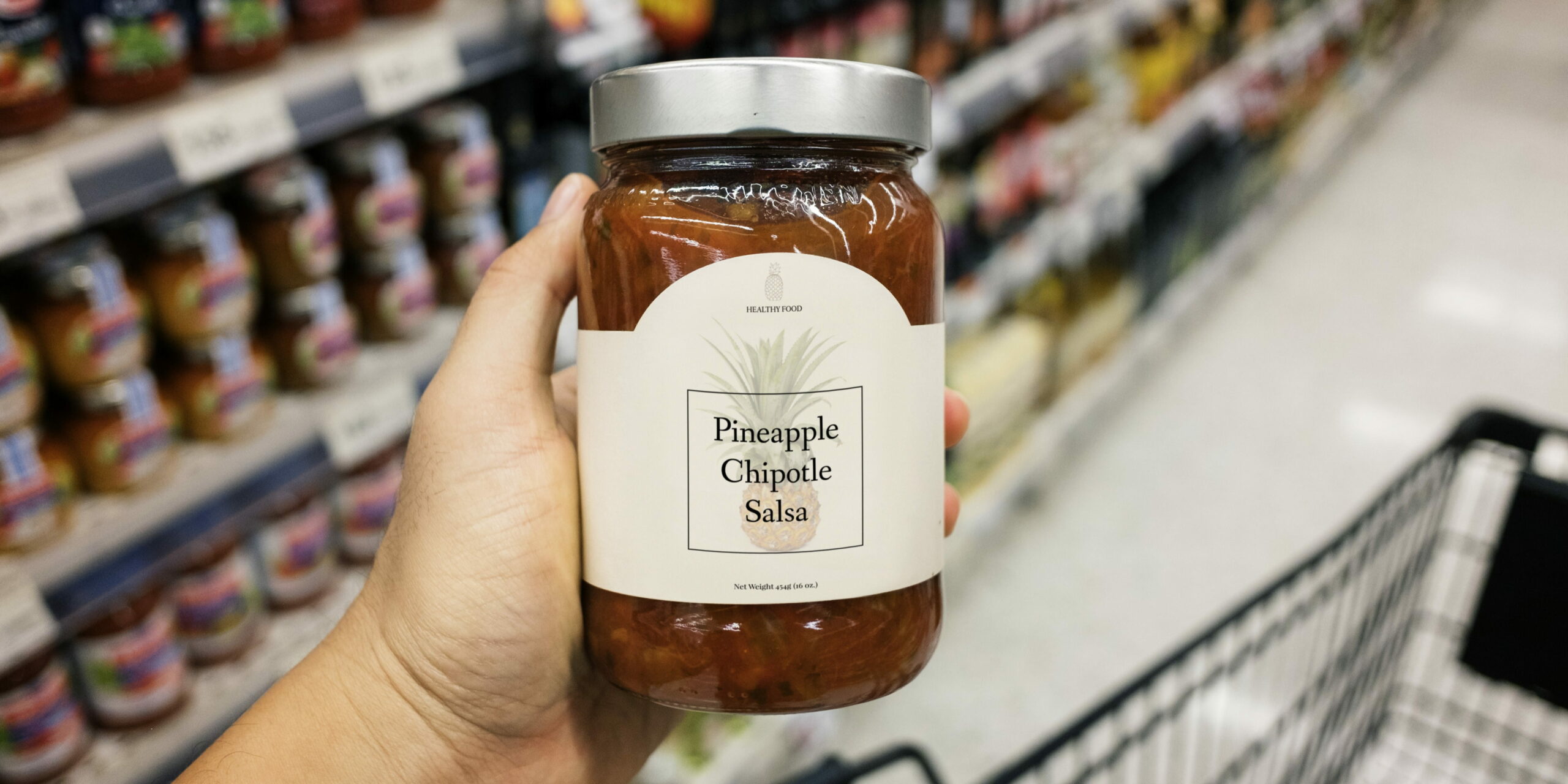
Label print files that are designed well for flat layouts can still fail when they meet curved containers or when the container diameter is not consistent from top to bottom.
What goes wrong
When a label designed with flat dimensions is applied to a round or tapered surface, several issues tend to appear:
- Wrinkles form across the label as it tries to conform to the curve
- Edges lift over time, especially near the top or bottom
- Logos, text, or graphics look stretched or visually distorted
When faced with these issues, your label’s final appearance can be unbalanced or awkward, directly affecting how your product is perceived on shelves.
Why it happens
This label sizing mistake can result from creating design files without accounting for application on:
- Round bottles
- Curved jars
- Containers with changing diameters
Sizing decisions are made without testing on these actual packaging will lead to wrinkled or partly lifted labels.
Related read: “Comprehensive guide and 4 tips for applying vinyl to curved surface“
How to avoid it
Choosing suitable size for your labels choices reduce these risks significantly:
- Use narrower labels to minimize how much curvature the label must absorb
- Only use full-wrap labels for containers with suitable, consistent diameters
- Test with a printed label sample applied to the real container
4. Prioritizing Aesthetic Over Legibility
A custom labeling sticker can not function if they only look visually appealing but fail to communicate.
What goes wrong
Labels are made prioritizing aesthetic over legibility look fine at first glance, yet reveals the problem in use, including:
- Important contents (ingredients, instructions, barcodes, or legal details,…) are too small to read comfortably
- Important information blends into the background
- Decorative elements reduce clarity,…
Labels that make customers struggle to read can maintain their trust and usability.
Why it happens
Reasons that lead to this mistake may be:
- You reduce font sizes are reduced to make room for graphics
- You lower the contrast to create a softer look
- You choose typography for its visual personality
- You size all details on your labels without accounting for the viewing distance during use
How to avoid it
Readability should guide your label designs:
- Prioritizing clear presentation of important details and required information
- Maintain strong contrast between text and background colors
- Review font sizes at real print dimensions
- Print a test label and read it at a normal viewing distance
A visually pleasing label still needs to communicate effortlessly. When sizing supports legibility, design and function work together instead of competing.
5. Incompatible Roll Size for Application Machine
Label roll that does not work with your application equipment is one of the labels sizing mistakes we will look into.
What goes wrong
When roll sizes are not compatible with your equipment, application problems appear:
- Fail to apply correctly
- Jam labels during application
- Labels feed unevenly
This kind of issue may force your brands to switch to manual application or delay shipments while new labels are produced for replacement.
Why it happens
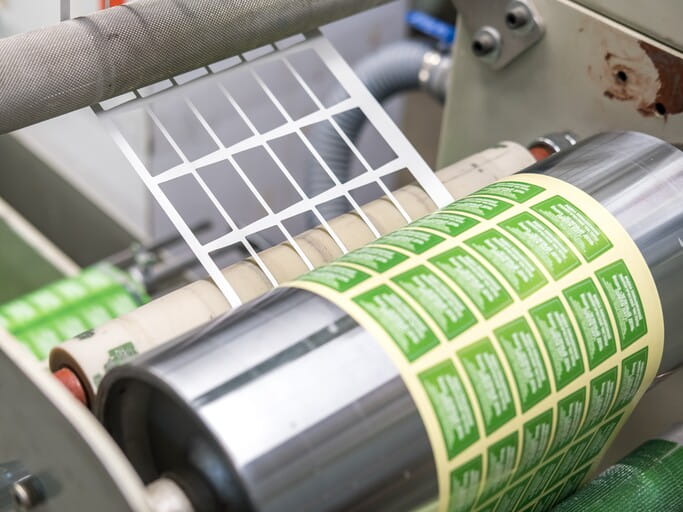
What leads to this kind of label sizing mistakes is missing technical checks in sizing stage: Labels are produced based on previous setups, or scaled up, without considering if the roll format suits the current equipment.
How to avoid it
Before printing or ordering labels, you need to confirm core size and maximum roll diameter required by the machine. Besides, remember to check your machine winding direction and put the label roll correctly on the machine before application.
Last Thoughts
Label sizing mistakes come from oversights throughout the process, from designing, printing, and application. By understanding what leads to these issues and what you can do to prevent them, you can avoid unnecessary reprints, delays, or inconsistencies in your product labels.
When you are planning to print labels, instead of sending files off and hoping for the best, you can work with a reliable team. At CustomAny, our custom label and sticker printing focuses on their performance in real use—fit and consistency. So, try our printing service, go to our product page here and start creating!