Blog
How to Choose the Right Label Shapes for Your Products? 5 Common Shapes Explained

Choosing the right label shapes is a key step when designing product labels because different products and packaging require suitable shapes. You can identify a suitable label shape if it gives you enough room to keep important details easy to read, or helps the label sit comfortably on the packaging. However, that’s not all.
In this article, we’ll explain all factors that make a label shape right for a product. Also, together we will discover 5 common label shapes and when each option works best to help you in deciding the right label shape for your needs.
What Makes the Right Label Shape for a Product?
When deciding on product label shape, there are a few specific criteria that determine whether a shape actually works for a product label.
1. Supports how information is read
Label shapes influence how information is distributed and then read on a product label.
The shape you choose decides how much room information has and how that space works for details like product names, ingredients, instructions, or warnings. Specifically, it must ensure these 3 factors:
- Direction: A suitable shape gives enough width and height for text to print on and then allow a natural reading flow.
- Information: The right shape allows to separate key details from supporting ones, with important information always showing up first, while others stay readable without crowding the label layout.
- Spacing: A suitable label shape spares adequate spacing between lines and content areas so your presented information feels comfortable to read.
Whereas, when the shape is not suitable, it can not support your label layout, text can be squeezed into narrow areas or breaking lines in uncomfortable places.
2. Fits the application position and use purpose
Product label shapes need to match the real application position and use purpose. They are designed to work with the packaging as follow:
Fit the application position
A suitable label shape must perfectly fit in its application area, whether it is a flat surface or a curved one, or whether it is the container’s main body, neck, lid, or on the edge of the packaging.
You found a suitable label shape when it:
- Stays fully within the available space
- Applies smoothly without wrinkling or lifting
- Keeps all information intact after application
Fit the use purpose
Different labels serve different roles, and the right label shape needs to support that role clearly. For example:
- A product label that delivers information should come in with a shape that suits long content.
- A seal or tamper-evident label works better if they are in compact, balanced shapes that are suitable for its coverage and security spot.
The right label shape meets both the application position and the label’s purpose at the same time, allowing the label to perform its function.
3. Matches the product’s intended perception
Specifically, a label makes the first impression people have on your product, so the right label shape also needs to support how you want the product to be perceived.
Matches the perception your brand want to create
The intended perception your brand wants to build for your products, whether it is simple, premium, handmade, modern, or approachable, choosing the right label shape will help you with that. A suitable shape supports that perception visually, showing your customers exactly what you want them to see and feel.
Matches the product type and its value
Some products naturally suggest certain perceptions, so a suitable label shape is what matches it. A handmade or artisanal product often works better with softer or less rigid label shapes, while mass-produced or high-end products usually suit cleaner, more structured ones.
Hence, the right label shape is the one that supports both how you want your product to be seen and what the product actually represents.
5 Common Label Shapes and When to Use Them
Once you understand what makes a label shape right for a product, the next step is knowing which shapes actually work best in real packaging situations. Below are 5 common label shapes, along with how they perform, where they fit best, and what to watch out for when using them.
1. Rectangle Labels
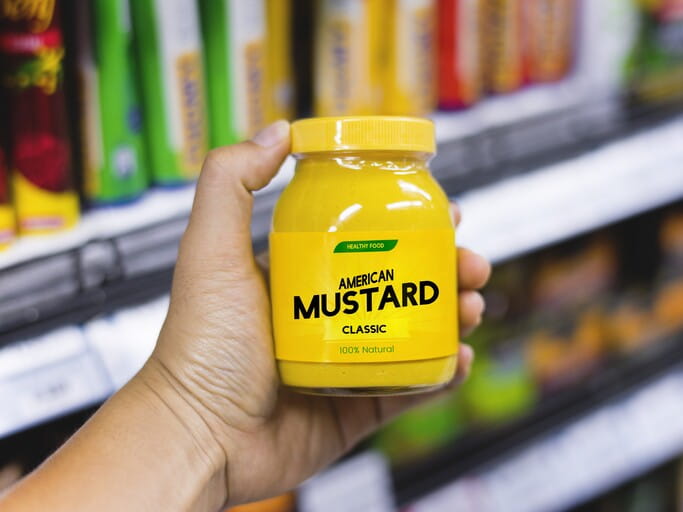
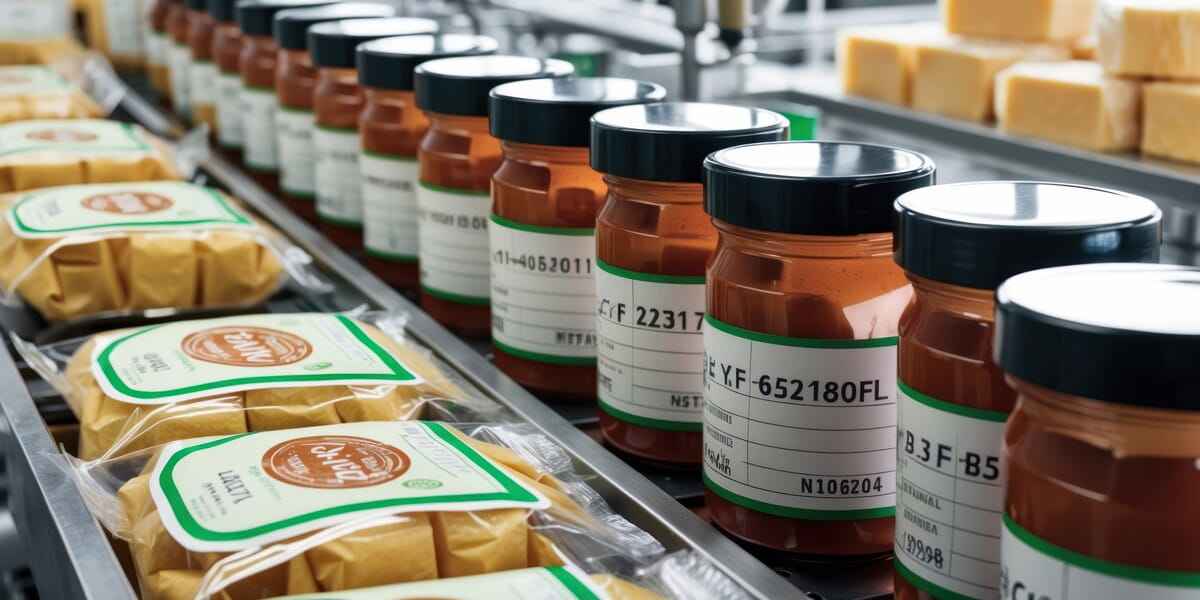
Rectangle label shapes are popular because they work with almost all products. This shape is ideal for those that require a large amount of information with clear, structured representation.
Rectangle labels’ pros:
- A classic shape that works across many product categories
- Simple to distribute content, even for text-heavy one
- Easy to manufacture, which usually keeps costs lower
- Easy to align and apply, especially on flat surfaces
Their cons:
- Seem generic, not suitable for products that aim for a unique or more handcrafted perception
- Long rectangle label shapes may struggle on narrow or highly curved containers
Where rectangle label shapes work best:
- Products that need to display a lot of information, such as ingredients, nutrition or usage details
- Packaging with flat panels or straight edges, such as on boxes, jars, tall bottles, and pouches
- Situations where you want easy, fast application
2. Square Labels
With equal width and height, square label shapes bring a sense of balance and simplicity to a product label.
Pros of square shaped labels:
- Create a balanced, symmetrical layout that feels neat and organized
- Fit naturally on small packaging
- Make alignment easier for application
Cons:
- Limited space for long content or detailed information
- Less flexible for complex or multiple text sections
When you should choose square labels:
- Containers with square shaped surfaces or flat, centered application areas
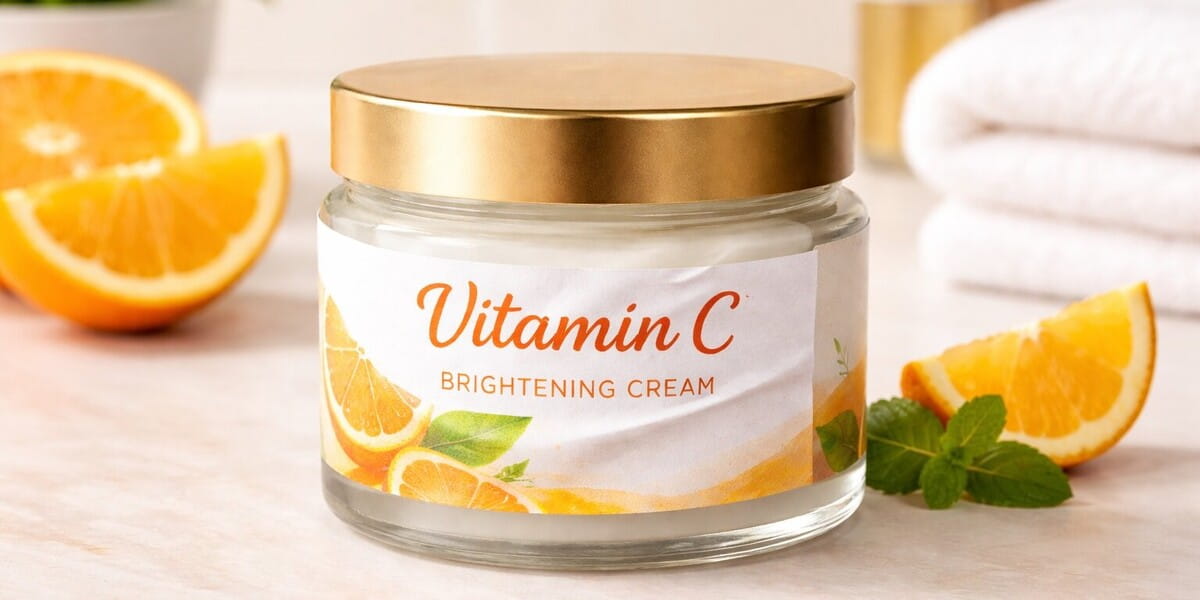
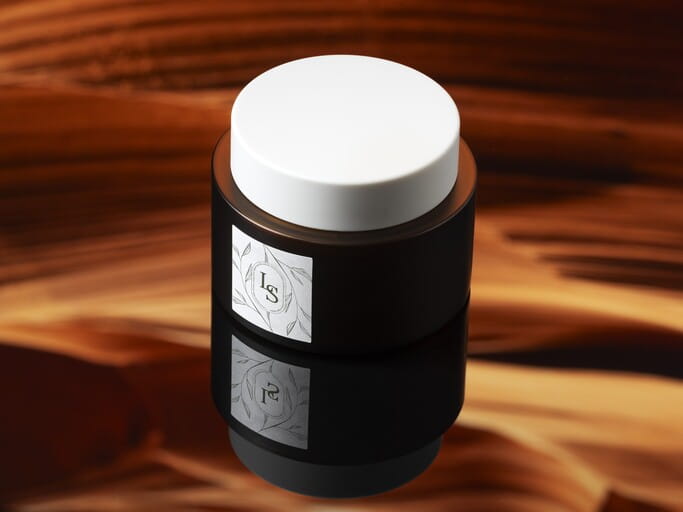
- Small products such as cosmetics, candles, jars, or sample-sized items
- Designs that focus on simplicity
3. Circle Labels
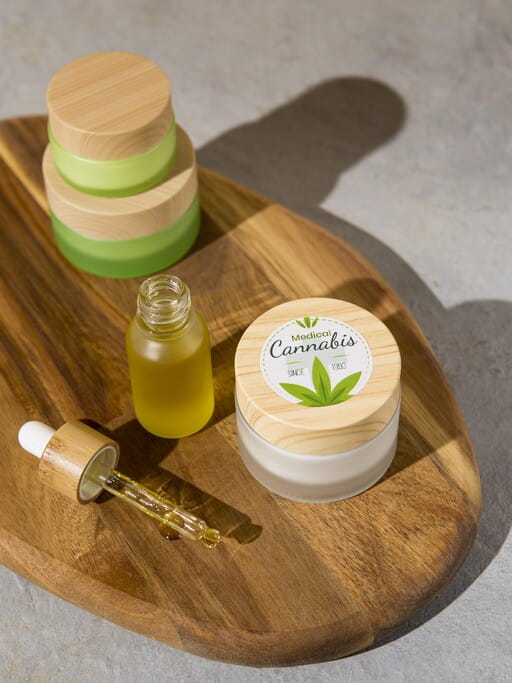
Among common label shapes, round options often create a softer and more natural feel thanks to the absence of sharp edges.
Pros:
- Soften the overall look of your product labels
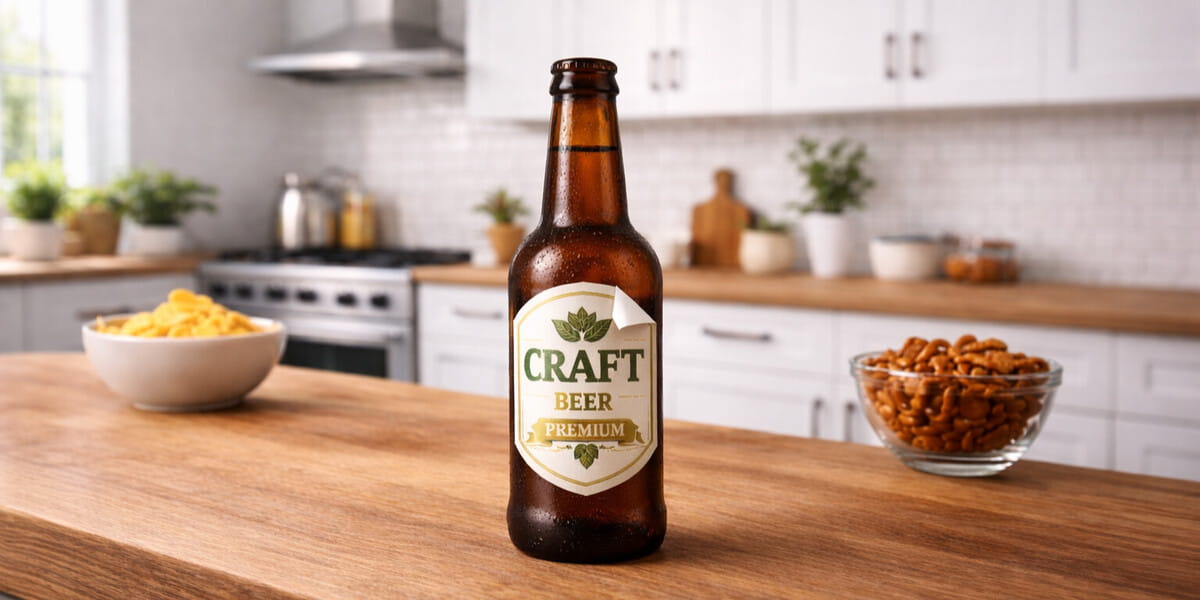
- Sit more naturally on product containers, especially on curved or circular areas
- Easily draw attention to its focal point, allowing stronger branding results
Cons:
- Limit usable space for structured text lines
- Make it harder to include and section information
Where circle label shapes perform best:
- Circular application areas like containers’ lids and caps
- Products that benefit from a simple, handmade, or friendly impression
- As seal/temper labels placed across openings for closure
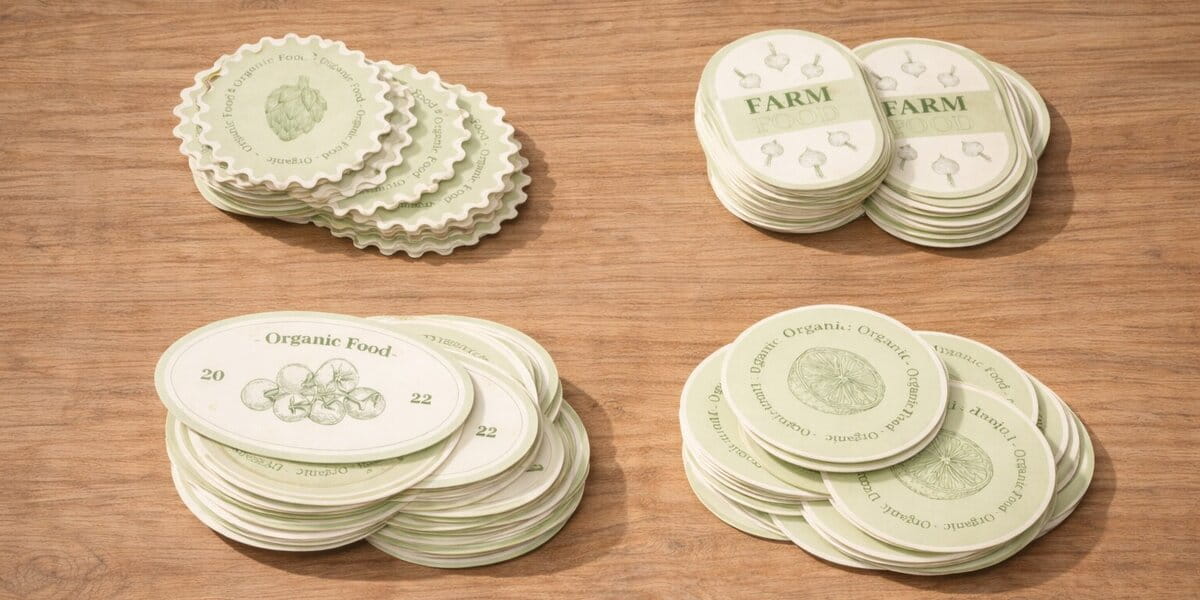
4. Oval Labels
Oval label shapes offer a soft form yet maintain an unusual, unique look.
Oval labels’ pros:
- Provide more content space than round label shapes
- Soften the overall look compared to rectangle or square shapes
- Support basic information layout
Oval labels’ cons:
- Not ideal for long or detailed content
- Require designs that tailored to the shape
- Offer fewer application options
Where oval label shapes work best:
- Products that aim for a handmade, natural, or crafted feel (e.g., candles, skincare, artisanal foods,…)
- Containers with gentle curves if you want a harmonious appearance (e.g., jars, bottles, tins,…)
- Container with sharp corners if you like a high-contrast appearance (e.g., rectangular boxes, square bottles,…)
5. Custom Die-Cut Shapes
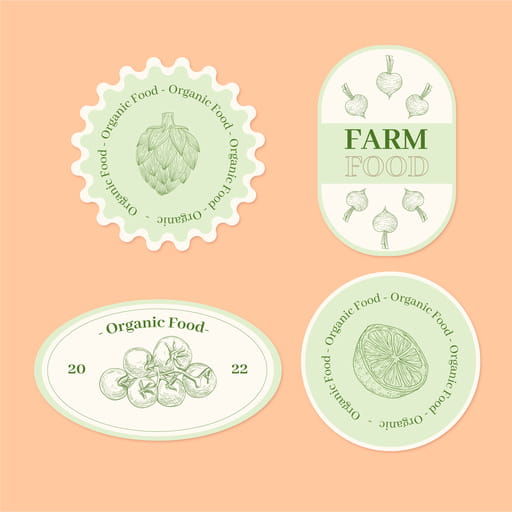
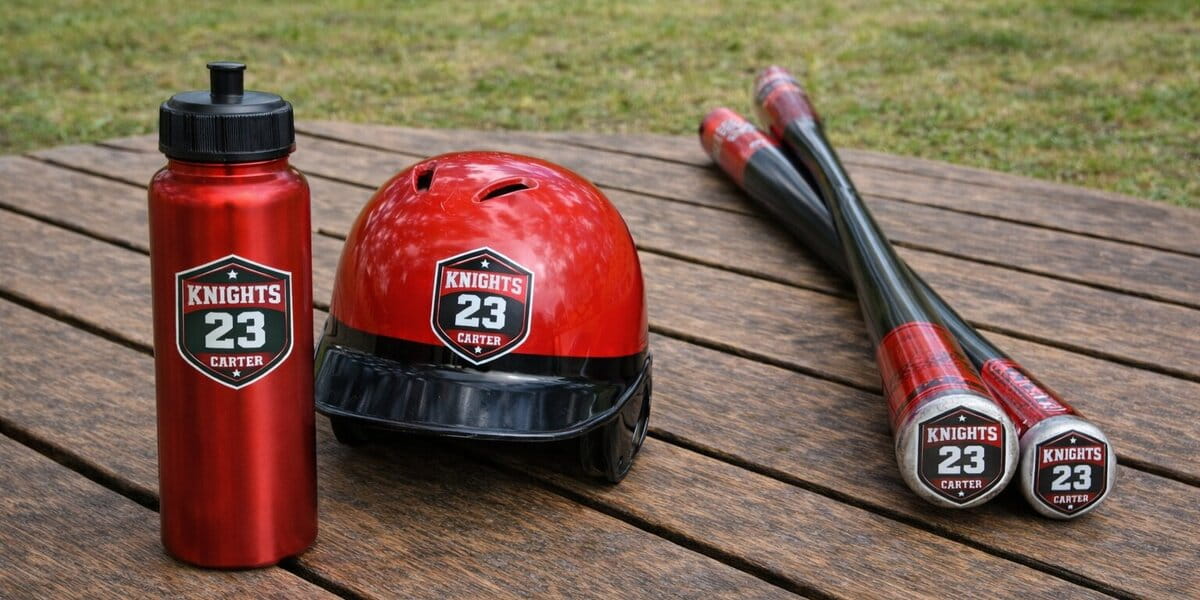
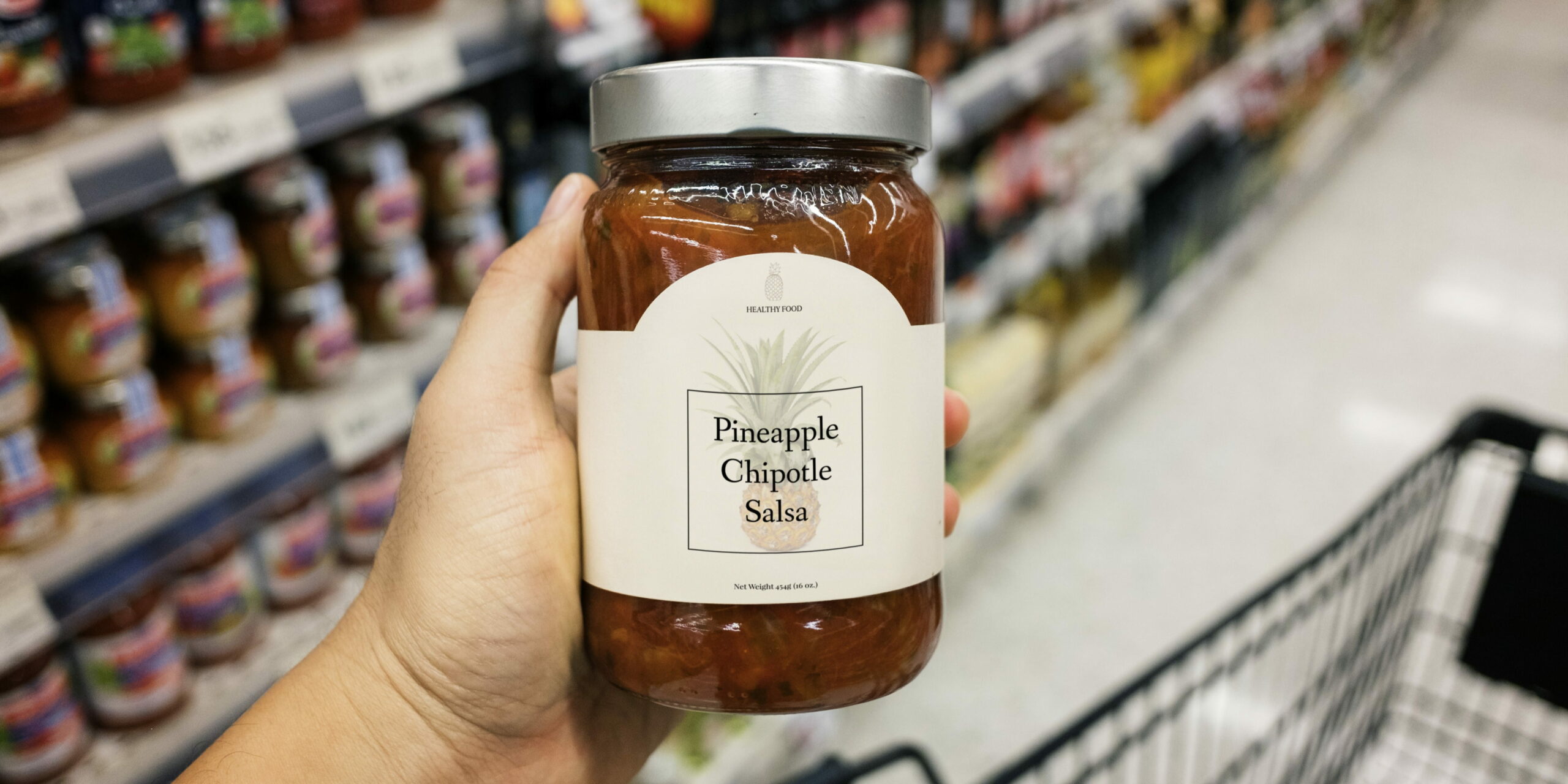
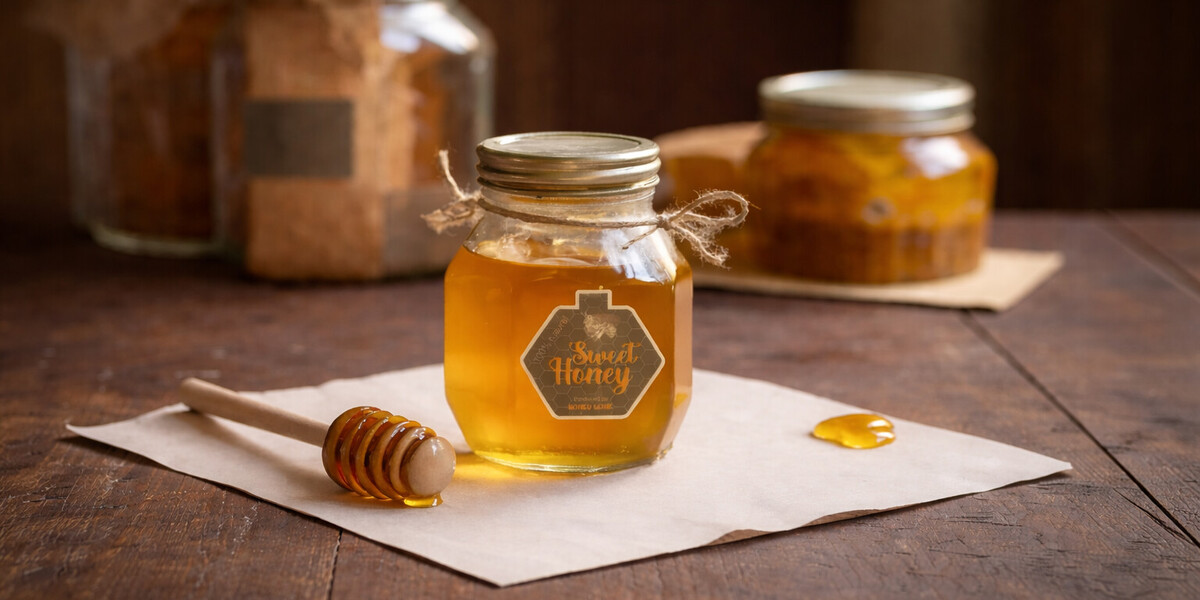
When it comes to label shapes, custom die-cut labels create a variety in product appearance. The outline of the label follows the design itself, so they can be any shape, from hexagon labels, arched labels, or lollipop labels. They also can take the form of a logo, a badge, or a shape that resembles the main ingredient of your product.
Their pros:
- Help your product stand out on simple or neutral packaging
- Strengthen brand recognition through a distinctive silhouette
Their cons:
- Less efficient for labels that carry long or detailed information
- Higher production cost compared to standard label shapes
- Require more attention during application, especially with complex edges
When you should use custom die-cut label shapes:
- When you want your products stand out on the shelf
- When the packaging looks simple so a label with visual interest is a must
- When you want to emphasize brand identity
- When your brand aims for a playful, modern image
Where to Print Custom Shape Labels
In conclusion, the best shape label is what works best for your packaging, application method, and matches your branding goals accurately. After learning what the right label shape is and the best use cases for each of the 5 most common choices, you now can choose the label shape that perfectly fits your needs.
When it comes to printing custom labels, consider working with an experienced printer like us. At CustomAny, we offer flexible shape, and materials, as well as precise die-cutting to ensure the labels turn out the way you want them to be. We also closely support you in designing and guiding applications so your labels perform best on actual products. So, click here to print product labels with us and present your brand the way it should.