Blog
How to Create Coffee Labels That Truly Stand Out

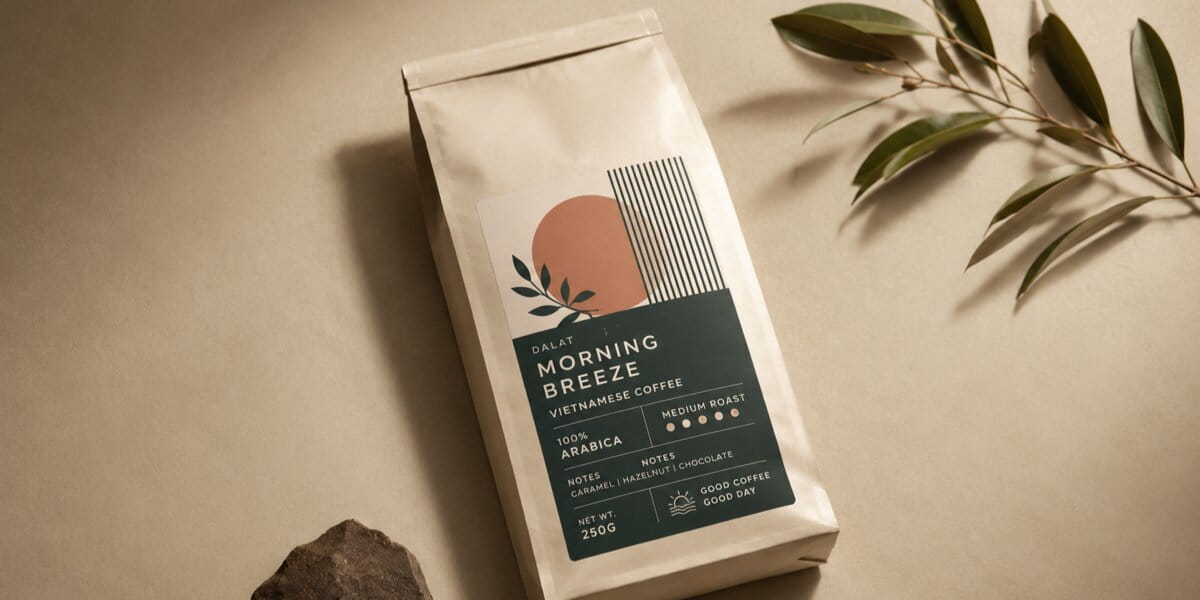
When you sell coffee, whether as a small roaster or an established brand, coffee labels quickly become an important part of the business. A standout and effective label is the key for customers deciding which bag deserves their attention and then helps your product communicate with them.
With that in mind, we at CustomAny will show you how to create coffee labels in just 5 clear steps. You will discover how to present information, create eye-catching designs, choose suitable materials, and print them correctly. Let’s get started!
1. Essential Information Every Coffee Label Needs
The first step in creating any product labels is determining what information should appear on them. For coffee, these are the essential details should be includes:
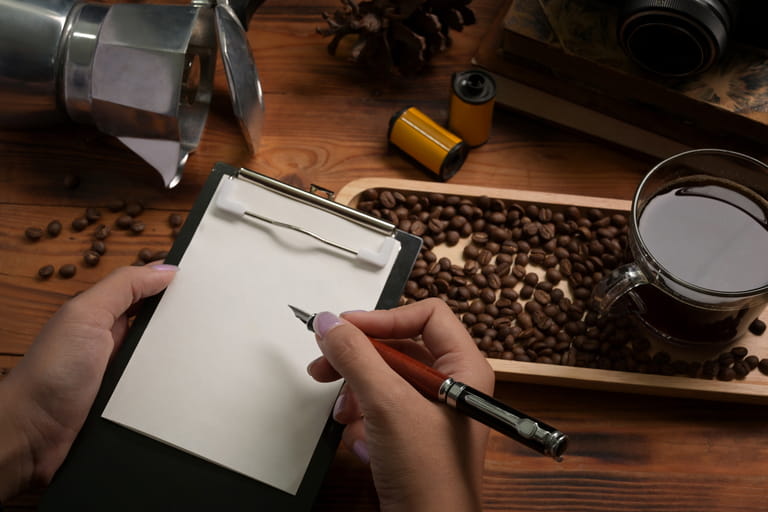
Product name & brand identity
The product name and brand identity are usually the first elements customers notice on a coffee label. If your brand is new, make the product name easy to understand at a glance. As your brand becomes more familiar, the brand name can take a more prominent position.
If you are selling different products and use different versions of label design, choosing a consistent hierarchy helps maintain brand recognition.
Coffee origin
Coffee origin shows where the coffee beans are grown, typically identified by country, region, or even a specific farm. On a label, origin helps your customers quickly distinguish one coffee from another and sets expectations for flavor profile and quality.
You can present it as a single origin (e.g., Ethiopia, Colombia, or a specific region) or as a blend that combines beans from multiple locations.
Roast level & flavor notes
Another important information on coffee labels which helps customers differentiate products are roast level (light, medium, or dark) and flavor notes (such as chocolate, citrus, caramel, etc.)
Net weight
Net weight which communicates the amount of coffee contained in each package, usually displays in grams or ounces depending on the market where you sell the product.
Certifications
Labels on coffee packages can include certifications when the product meets specific sourcing or farming standards. You can add small badges showing whether your coffee is organic, fair trade, or direct trade marks.
Contact details & website
Contact information not only identifies the company responsible for the product but also contributes to branding purposes. Your website, company address, email address should appear in a smaller section of the label.
Legal requirements
Legal requirements for coffee may vary by market, so local regulations influence what needs to appear on your coffee labels. Check the required statements to ensure you present accurate information and comply with food labeling rules.
2. Designing an Effective Coffee Label
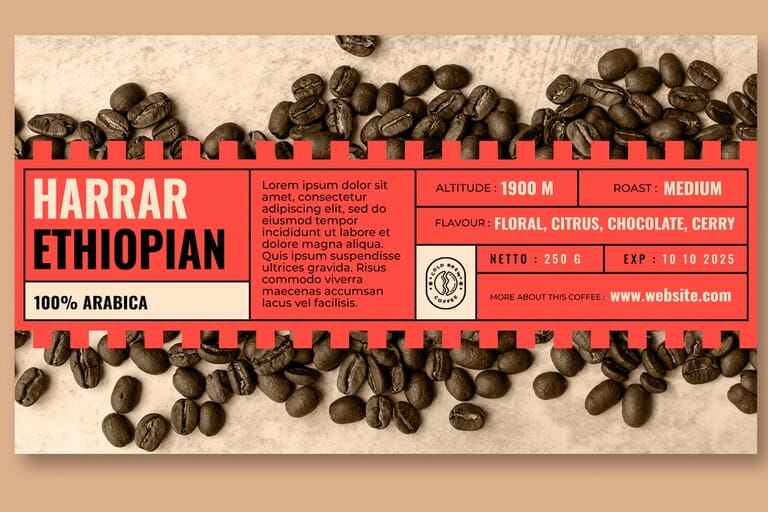
An effective and outstanding coffee label results from wise decisions and careful planning at the design stage. Several key elements in packaging design, and in coffee labels specifically are:
Color palette
The color palette used on a product label strongly influences its overall appearance and the feel people have upon your products.
Colors usually used for coffee packaging:
- Warm earth tones (brown, beige, terracotta,…) often appear on traditional coffee labels or products that emphasize artisanal roasting and natural sourcing.
- Dark tones (black, deep green, navy) may create a premium, bold, or high-end feel
- Light or neutral tones (cream, white, soft gray) suggest cleanliness, minimalism, or modern branding
- Bright or saturated colors (yellow, orange, teal) help coffee packages stand out and are often used for younger or experimental brands
- Muted or pastel tones are more suitable for specialty coffee brands focusing on higher-quality beans, specific origins, and more precise roasting.
Suitable color choices are those that help your labels reflect the identity of your coffee brand while still allowing your products to stand apart on the shelf. Thus, choose a set of consistent tones to tell customers your brand story and also keep your packaging line easily recognizable.
Typography
Typography is not only about aesthetics but also directly affects how clearly information appears on coffee labels.
There are some key considerations for typography:
- Quantity: Use 2-3 complementary fonts so your labels’ layout stays organized.
- Size: 2-3 sizes are enough to highlight the product name while clearly presents supporting information.
- Typography: Clear typography ensures all information on your coffee labels is readable and looks legitimate.
Graphics / illustrations
Graphics and illustrations are those that add visual character to these labels. These elements help you tell the origin, story, or creative direction of the product.
Common elements used on coffee labels are:
- Coffee beans
- Farm illustrations
- Maps of the coffee farm
- Abstract artwork
- Simple geometric patterns,…
Choose visuals that stay consistent with your brand style to make your labels for coffee products gain a stronger and more memorable appearance.
Logo placement & layout balance
Where to put your brand logo on the label influences the overall visual hierarchy of your coffee packaging. Make sure your logo is well-positioned and suitably-sized so your brand remains visible without overwhelming the rest of the design. Putting clear spacing between the logo, product name, and other details will help.
When it comes to layout, make sure the layout you chose is used consistently across labels.
3. Choose Suitable Label Materials
The next step in producing coffee labels for your product is choosing suitable label materials.
Materials
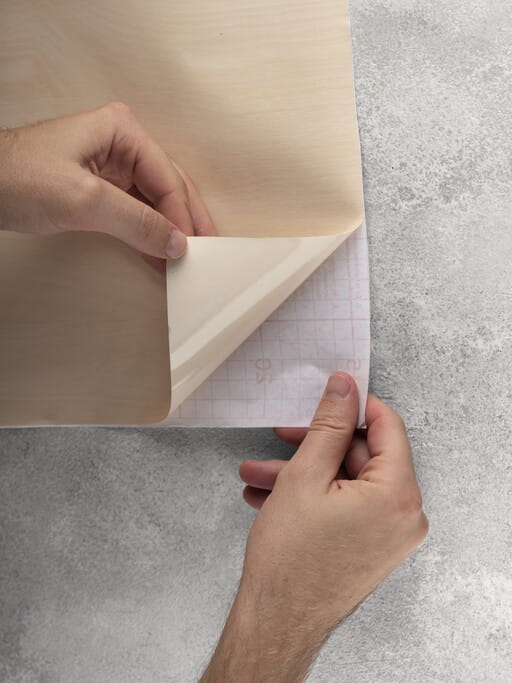
The label structure and surface properties affect durability, flexibility, and how your coffee label performs during storage, shipping, and daily handling. Because of that, selecting an appropriate material is often the first technical decision
Several materials are commonly used for coffee labels:
- Paper: Paper labels are a cost-effective option as they are easy to print and work for almost coffee brand style. However, paper is less resistant to moisture or friction, so it may wear down more quickly during handling.
- Vinyl / BOPP: Vinyl and BOPP labels are more durable. These materials are water-resistant, oil-resistant, and less likely to tear. They also support finishes like gloss, matte, or clear, allowing more flexibility in achieving a polished or modern appearance.
- UV ink (UV DTF transfer stickers): UV DTF labels use a transfer process that applies cured ink directly onto the surface, creating a slightly raised and highly defined graphic. This method offers strong scratch resistance and maintains visual clarity even with repeated handling. It is often used for clean, modern designs.
Effects
There are some special label types you can consider when making labels for coffee products:
- Clear: Clear sticker labels have a transparent base layer that allows the packaging surface to show through. This label type works best for brands which prefer delicate and simplistic images.
- Holographic: Holographic vinyl reflects light and shifts the color patterns, creating a more eye-catching label surface. This effect best suits modern and bold brand style.
Finishes
Another design choice that shapes the final appearance of coffee labels is the surface finish:
- Matte finish provides a soft, low-shine surface that often suits artisanal or minimalist packaging styles.
- Glossy finish creates a reflective coating that enhances color vibrancy and gives the label a polished look.
Deciding on suitable materials, effects, and finishes means you can give your coffee labels both the required durability and the desired appearance.
4. Print Coffee Labels
The important final step in the process is printing. Along with the material, this step’s accuracy directly affects the quality of your coffee labels.
In general, labels can be produced using 2 main printing approaches, each with different pros and cons.
At-home printing
Printing labels at home is a practical option for small projects or early design stages.
- Pros: flexible, cost-effective for small runs, good for testing designs
- Cons: limited durability, color accuracy may vary, requires machine and knowledge about printing labels
Professional printing
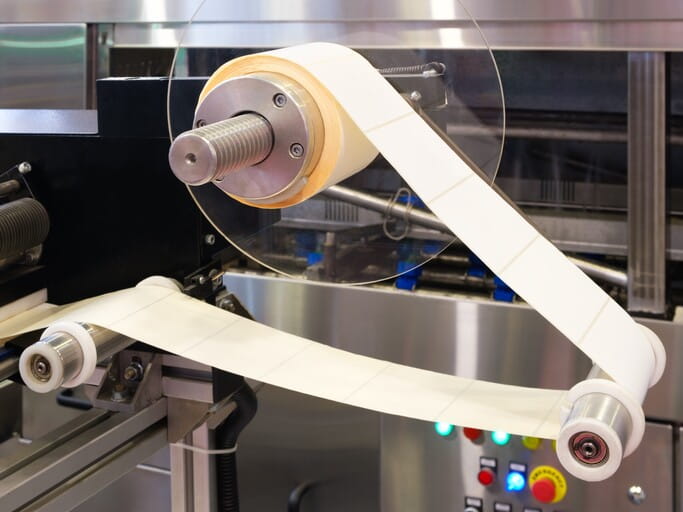
Professional printing services are typically used when higher consistency and production quality are required.
- Pros: high quality, consistent results, wider material choices.
- Cons: higher cost, usually more suitable for larger batches.
To decide which printing method works better for your coffee labels, let’s compare them:
| Factor | At-home printing | Professional printing |
| Cost | Lower cost for small quantities but there are upfront cost for printing materials and printers | Higher cost, but efficient for bulk orders |
| Durability | Depends on material, printer and your printing skills | Higher durability with specialized materials |
When to choose at-home printing?
At-home printing is often appropriate when you:
- Testing new label designs
- Producing a small quantity of these labels
- Running short-term or experimental packaging
When to choose professional printing?
Professional printing is generally the better choice when you:
- Producing coffee labels in larger quantities
- Requiring consistent color and print quality
- Using specialized materials or finishes
5. Where to Print Coffee Labels?
You have explored how to design coffee labels, choose suitable materials and printing methods. With these considerations in mind, you can approach coffee label production more confidently and create labels that present your product clearly and consistently on the package.
If working with a professional company better fits your needs, consider printing your coffee labels with us. CustomAny offers a wide range of label types with customizable sizes, quantities, and designs at competitive prices. In addition, our team provides design assistance and guidance on label application, helping ensure the final labels align well with your packaging and product presentation.
Ready? Let’s explore available options for custom labels here.