Blog
How to Make Nutrition Labels: 5 Steps from Calculation to Print

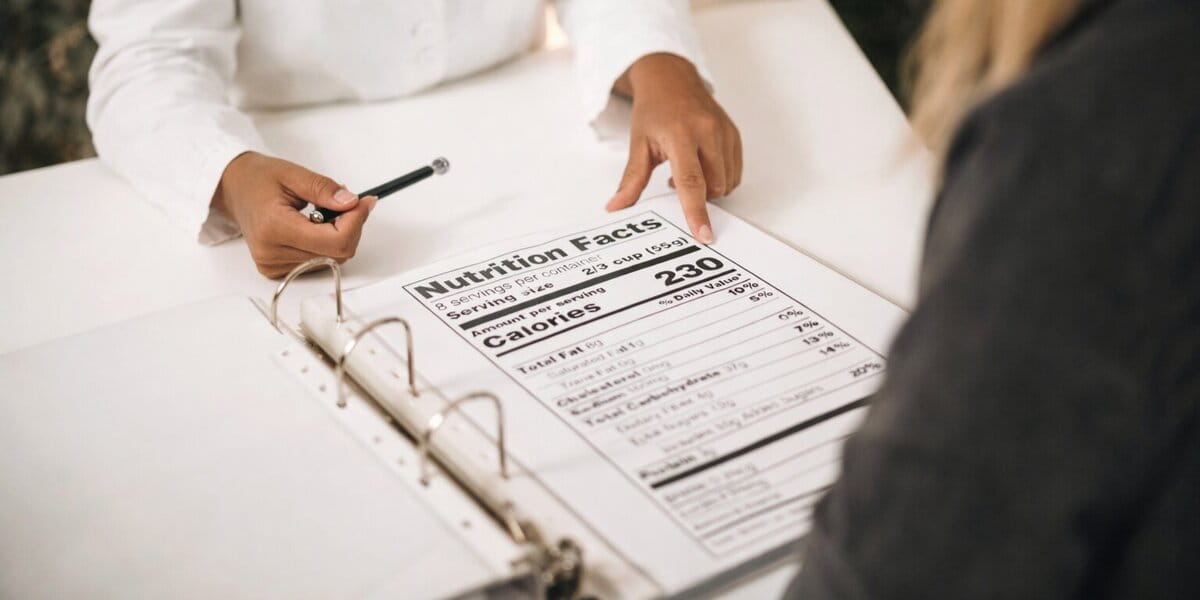
Among all product label types, creating nutrition labels involves more than placing numbers on a package. The process requires careful calculation, thoughtful layout choices, and preparation for real production. Each step connects closely with the next, deciding how the final label looks and functions on the product.
Therefore, our article will show you 5 practical steps covering the process from calculation to print. Follow to keep the nutrition labeling process organized and reliable.
Step 1: Understand Nutrition Labels
What are Nutrition Labels
Nutrition labels communicate essential nutritional information to consumers in a clear and accessible way. These labels help people understand what they eat and how each product contributes to their daily intake.
As a result, many consumers use nutrition labels when making decisions related to health, weight control, and specific dietary needs. Through understanding nutrition labels, buyers can compare similar products and identify options with lower sugar, salt, fat,…
Meanwhile, food companies use nutrition labels on food to show transparency and responsibility toward consumers.
Nutrition labels play an important role because they turn nutrition science into simple information that anyone can use.
What a Nutrition Label Needs to Include
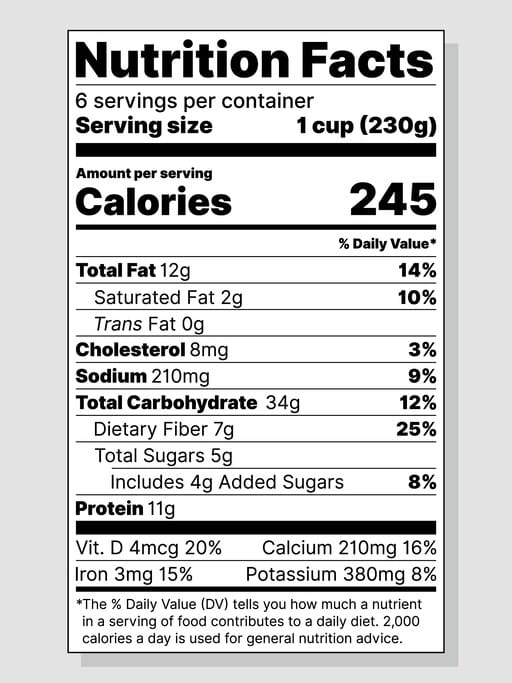
Nutrition labels include essential details that help consumers understand the nutritional value of a food product:
- They show serving size, calories, and key nutrients such as fat, carbohydrates, protein, and sodium.
- Many nutrition fact labels also provide percent Daily Value, which allows easy comparison between similar foods.
- Vitamins and minerals often appear to highlight nutrients that support overall health.
- Ingredient lists and allergen information commonly accompany nutrition labels on food packages.
To ensure this information stays accurate and consistent, food companies often rely on FDA requirements. The Food and Drug Administration sets national guidelines that explain how nutrition facts labels should be structured, updated, and displayed. These rules help protect consumers and make nutrition labels easier to read and trust across different brands.
Step 2: Calculate Nutrition Information
This step turns a recipe into accurate data for nutrition labels. Therefore, you should calculate correctly to help ensure the information stays clear and reduce errors later in the process.
1. Start with the complete recipe
The process begins with a complete recipe that includes every ingredient used in the product. Each ingredient needs a recorded weight or volume so the calculation stays accurate since even small ingredients can affect the final nutrition data. Then, you should identify the total weight or volume of the final product.
Consistency at this stage supports reliable nutrition labels later. A clear recipe overview answers an early and important question behind “how do you make nutrition labels accurately”.
2. Convert the recipe into nutrition data
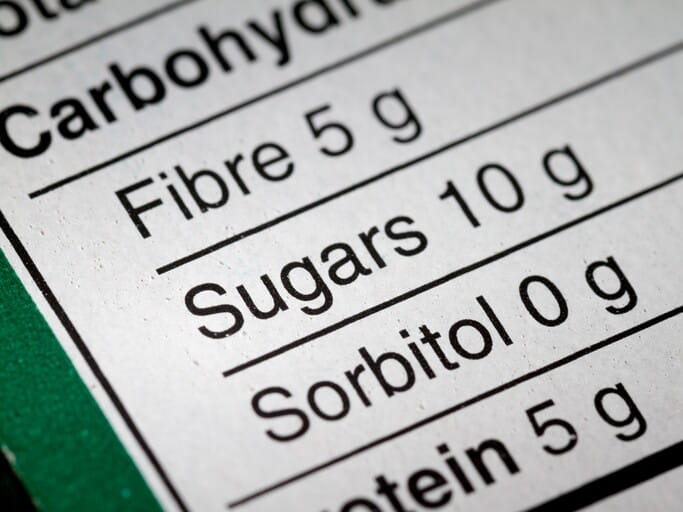
After the recipe details are ready, the next step is to calculate the nutrition values for each ingredient. It focuses on calculating calories and key nutrients such as fat, carbohydrates, sugars, protein,…
Commonly, there are 2 approaches to complete this task:
- Use a recipe analysis tool: You enter each ingredient with its weight or volume, and the system automatically calculates total calories and nutrients
- Use nutrition data from ingredient suppliers: With this method, you will collect verified nutrition information for each ingredient from suppliers.
These methods help ensure that nutrition food labels remain accurate and easy to understand.
3. Calculate values per serving
Serving size gives meaning to the numbers on nutrition labels. Each serving needs a defined gram or milliliter amount that reflects normal consumption. The total nutrition values then get divided by the number of servings, so every figure represents one serving instead of the whole product.
For this step, you should follow the rounding rules to keep nutrition labels clear and easy to understand.
- Calories and nutrient values should follow commonly accepted rounding guidelines used on nutrition labels.
- The rounded numbers should still remain logical when added together.
- One consistent rounding method should be used across the entire label to keep nutrition food labels clear and professional.
Applying these steps carefully helps ensure per-serving values stay accurate and consistent throughout the label.
Step 3: Choose the Right Nutrition Label Format
Selecting the right format ensures that nutrition labels fit the package properly while remaining easy to read. The layout should match the package shape and size, using space efficiently on smaller packages and allowing more flexibility on larger ones.
Common Nutrition Label Formats
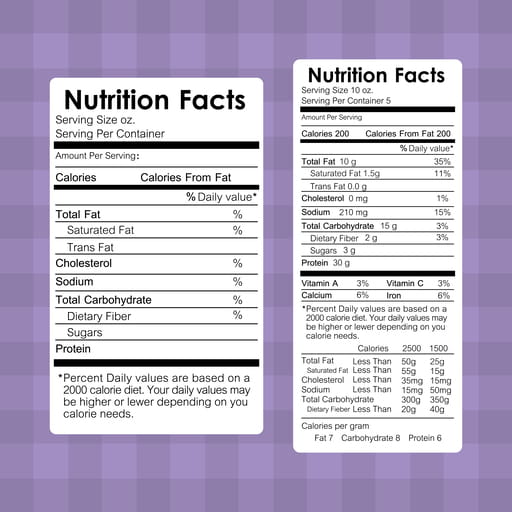
As packaging designs vary, nutrition labels also come in different formats, such as:
- Vertical displays information from top to bottom and appears on many common packages.
- Tabular arranges values into rows and columns, which works well on wider packaging
- Linear keeps all information in one line and suits small packages.
- Dual-column places two columns next to each other to show values per serving and per package..
Key Considerations When Selecting a Label Format
The choice of a nutrition label format depends on several practical factors, such as:
- Package size: Smaller packages often require compact formats, while larger packages allow more flexible layouts.
- Amount of information displayed: Products with more nutrition data need formats that keep the information clear and readable.
- Remaining space for branding: The label format should leave enough room for logos, colors, and other branding elements.
Step 4: Prepare the Design File for Print
After you’ve chosen the right format, you need to prepare the design file. This careful preparation will help you avoid errors and ensure a smooth printing process.
Information Order
Information needs a logical order so readers can follow it easily. Calories usually appear near the top, while nutrients follow in a standard sequence. This structure improves readability and clarity for your nutrition labels.
Font Size, Alignment, and Line Spacing
For these factors, you should consider:
- Text size needs enough scale to stay readable on the package.
- Alignment should keep numbers and text clean and organized.
- Proper line spacing improves clarity and prevents crowded sections.
These design details improve both appearance and readability.
Use of White Space
White space plays an important role in making a nutrition label comfortable to read. Enough spacing between sections helps guide the eye and makes key values stand out naturally. A well-spaced layout helps readers follow the information without feeling overloaded.
Consistent Layout Across Products
Using the same layout across different products helps create consistency in the design. When labels follow the same structure, updates become easier and design work takes less time. This consistency also strengthens brand recognition, because customers start to recognize the layout as part of the product line.
Step 5: Print, Review and Put Them to Use
With the design file ready, now it’s time to bring the nutrition labels into real production.
1. Review Before Printing
Before printing nutrition labels, it is important to take time to review every detail. You should check the numbers, spelling, alignment, and layout consistency.
The process ensures that values match approved data and formatting follows the standards. This step prevents errors and reduces costly reprints.
2. Printing
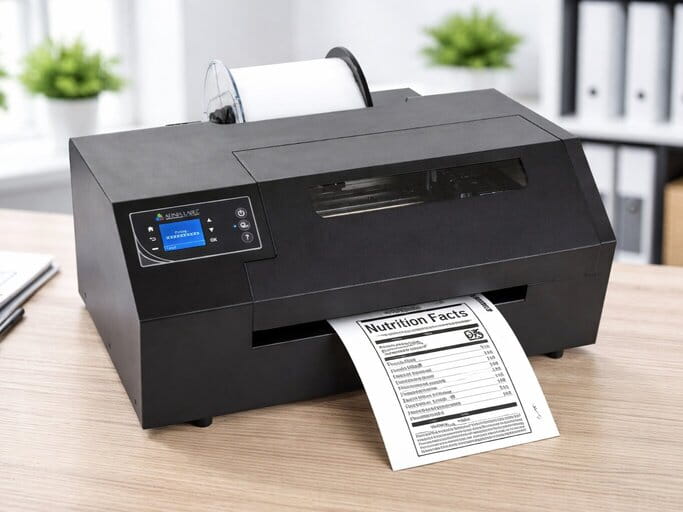
Printing brings the nutrition label onto the product, and your chosen printing method will support different production needs.
In-House Printing
In-house printing works well for those that handle labeling within their regular workflow. This method can be helpful in situations where updates to recipes or nutrition data happen often. This option allows quicker updates and gives more control over small production runs.
Professional Printing Partner
For products prepared for retail or produced in larger quantities, working with a professional printing partner often brings better results. You can consider CustomAny’s label printing service for consistent quality across batches. Professional equipment also supports durability, color accuracy, and reliable alignment, which helps labels look clean and consistent over time.
3. Test and Put Nutrition Labels in Use
Before full production begins, you should test labels on actual packaging. This step helps check how the label fits on the package, how easy it is to read, and how it looks overall. It also shows how well the material holds up during normal handling, storage, and transport.
After any final adjustments, the labels are then ready to be used and become part of the regular packaging process.
Last words
Creating nutrition labels is a step-by-step process that needs careful attention at each stage. With a well-managed process, the final label becomes accurate, readable, and ready for real use. Hopefully, our 5 steps help you reduce mistakes, save time during production, and support consistent results across products.