Blog
What Are Sticker Rolls? 7 Things to Check If Roll Sticker Labels Are Best for You

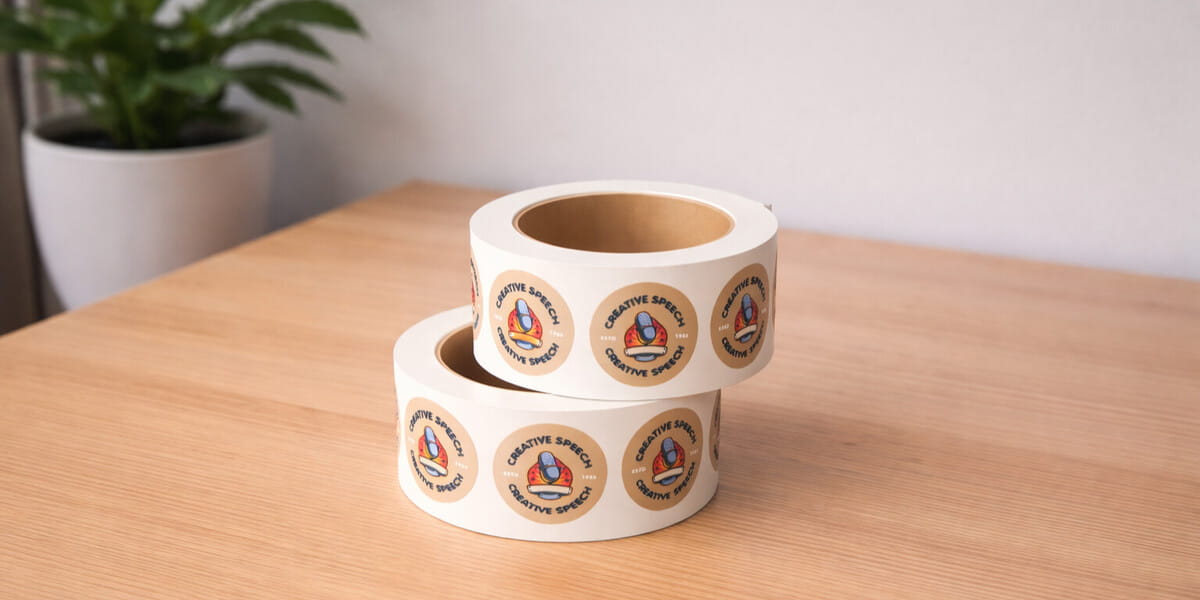
Using sticker labels, you may begin with basic labeling or packaging tasks, where applying stickers one by one feels simple enough. However, as workload increases, workflow becomes more repetitive, speed and consistency start to matter, you should consider using sticker rolls.
Our article aims to help you understand how sticker rolls function and where they work best. By exploring their benefits and limits, you can decide if roll sticker labels support your work or if another format feels more appropriate. So, let’s get started.
1. What Are Sticker Rolls?
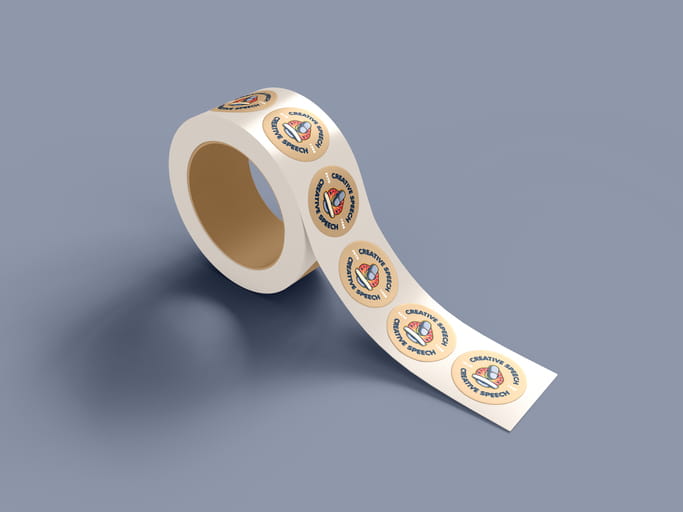
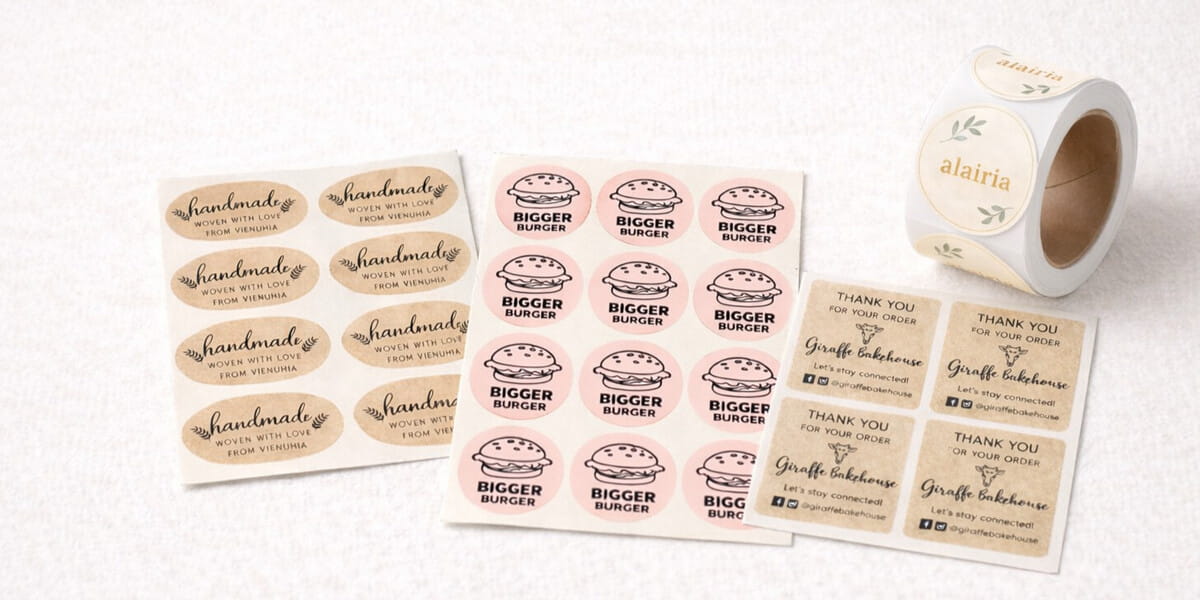
Sticker rolls, just like their names, are sticker pieces on backing material. The differences are:
- All stickers are the same
- They are positioned consistently along a roll
This format allows them to be applied one after another in a sequence.
Sticker rolls can be made from the same materials as other formats, such as vinyl, paper, or clear film. Size, shape, finish, and adhesive options remain flexible.
This roll format is designed to support workflows that require repeated application under stable conditions. Specifically:
- Speed: stickers from a roll can be dispensed continuously, reducing pauses between applications
- Volume: a single roll contains up to hundred thousand many sticker labels, minimizing the need for frequent reloading
- Consistency: these rolls with fixed spacing and orientation help maintain uniform placement across similar placement on similar items
2. How to Handle Sticker Rolls
Sticker rolls are handled with a continuous and consistent peel-and-apply process. You can handle it manually by hand or automatically with a sticker label dispenser or applicator.
Manually
You can handle sticker rolls by hand, especially with moderate volume. In this case, the roll is placed on a flat surface or a simple holder, and stickers are peeled off by hand one by one for applying.
Manual handling still requires humans to align the placement for every item, so the applying results may not be absolutely consistent.
Automatically
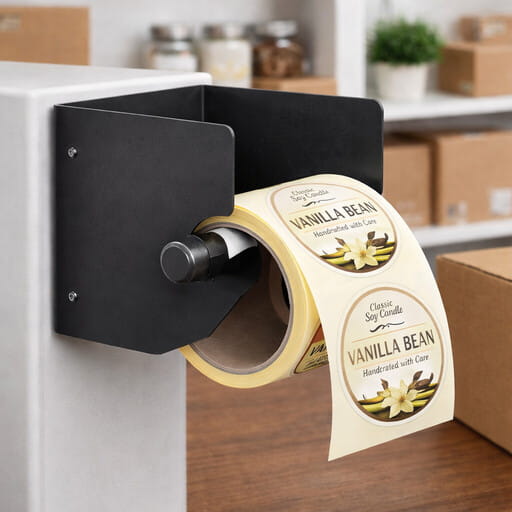
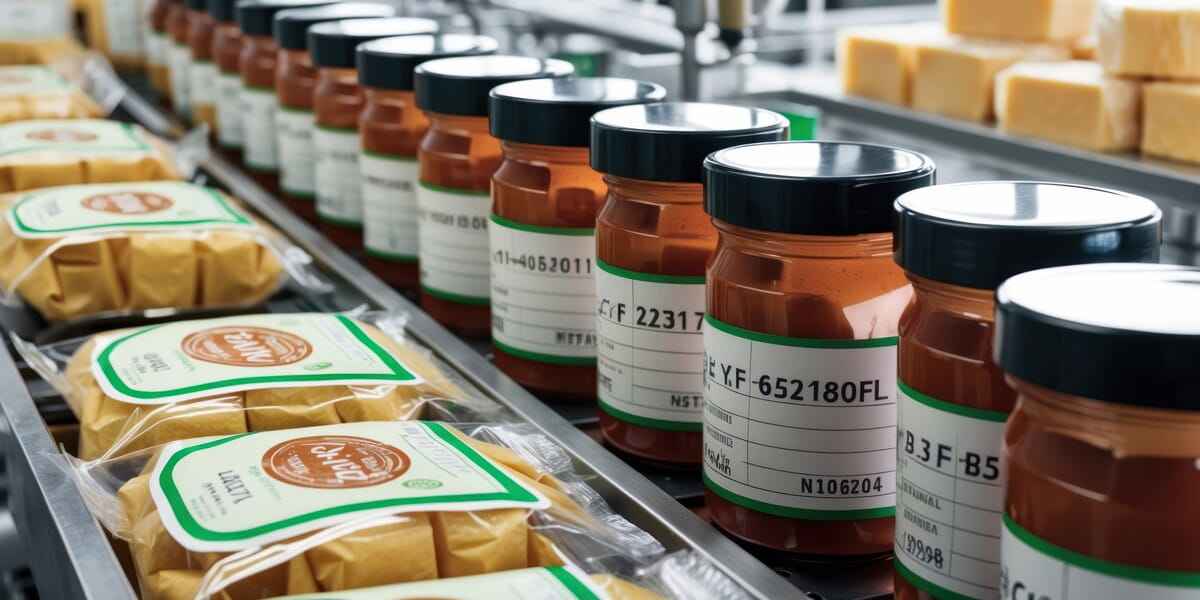
If you apply stickers from a roll to a higher volume of similar items, or you are handling time-sensitive operations, dispensing tools or applicator machines can be used. These tools control how the roll feeds forward, allowing stickers to be released at a consistent angle and position.
3. Advantages of Sticker Rolls
With unique format and handling methods, sticker rolls offers several operational advantages:
Efficient for operations
Sticker rolls are easy to store, transport, and handle without being torn or wrinkled like singular stickers. The roll structure keeps labels organized, protected, and ready for use without requiring additional sorting or preparation.
Faster application
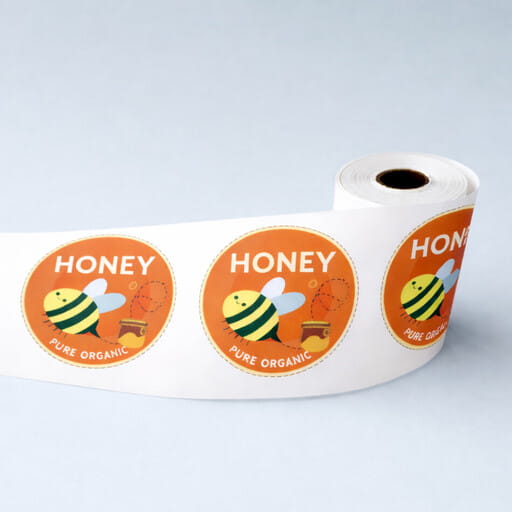
Sticker rolls are easier to peel than singular stickers because they are wound into a roll. You can easily lift each sticker from a corner, peel them from the roll and apply them smoothly by hand. When used with a dispenser or applicator machine, the peeling, positioning, and applying steps become even faster and more controlled.
More consistent results
Sticker rolls support consistency, especially when machines or dispensers are involved. Alignment is easier to control, positioning errors are reduced, and the same placement can be repeated across large batches. This helps maintain a uniform appearance, which is important for branding and presentation.
Fewer interruptions during repetitive work
Sticker rolls usually come in larger quantities, which reduces the need for frequent restocking. The easier peel also minimizes delays caused by labels sticking incorrectly or tearing during application. As a result, the workflow stays uninterrupted and more predictable.
4. Disadvantages
Sticker rolls are efficient in specific cases, but this format also comes with some limitations that need to be considered.
Higher upfront cost
You can apply these stickers by hand, but maintaining speed and consistent placement usually requires equipment as sticker rolls work best with the support of a tool. This means you may need to invest in dispensers or applicator machines upfront.
However, for businesses with medium to large workload, using these roll sticker labels and application tools means you can reduce labor cost.
Large minimum order required
Sticker rolls are often printed with higher minimum order requirements compared to singular and sticker sheets, usually from 1000 pieces. When you choose this format, you may need to order a larger quantity right from the start.
These cost-related disadvantages should be taken into account in the first place before you decide to use roll sticker labels for your project.
5. When to Choose Sticker Rolls
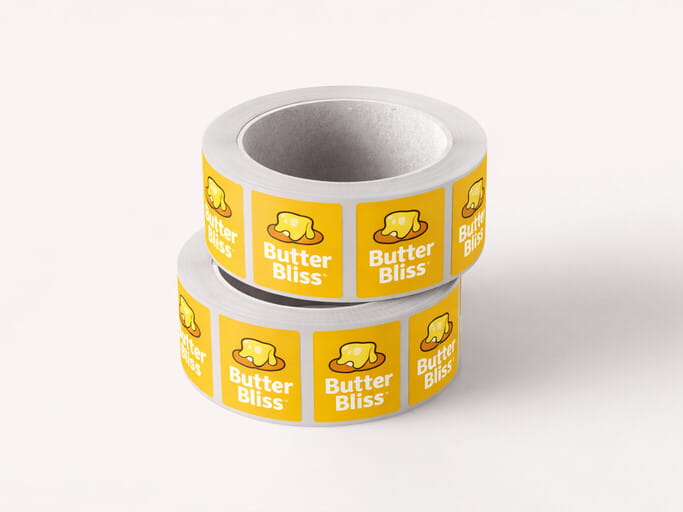
Let’s list out some real-life situations where sticker rolls shine, allowing you to manage volume and timing more predictably:
Same designs, same placement for repeated and frequent use
Sticker rolls work well when you apply the same design to the same position again and again. When placement does not change, you can rely on the roll format to keep the process steady, whether you apply stickers by hand or handle it by tools.
High volume
This format fits naturally when you deal with a large workload. If your workflow involves applying stickers to a large quantity of items, these rolls help you move through batches without constant interruptions caused by handling individual stickers.
Time matters
Roll format is suitable when speed is important. The roll allows for quicker peeling and smoother application, so you can keep pace during busy periods or time-sensitive operations.
Whether it is repeated application, high-volume needs, or time-sensitive project, situations listed above are where sticker rolls are a practical choice.
6. When Sticker Rolls Are Not Recommended
These rolls are designed for repetitive, high-volume labeling, so they don’t suit some situation, including:
Low Quantities
When you only need a small number of stickers, handling a full roll is not a smart choice. Singular stickers or sheets are often easier to manage and store than rolls for this kind of task.
Occasional Use
If you need occasional or seasonal stickers, which application is irregular, the cost àd time spent setting up and storing rolls can outweigh the efficiency benefits. Sporadic use reduces the practical advantage of a roll format.
Multiple Designs
Multiple designs are not supported in roll format.
If you still want to use various designs and rolls, you will need several rolls, each with one design. In such a situation, frequent switching between rolls slows down the process, disrupts your workflow and may create errors in consistency and alignment.
In short, for smaller, irregular, or varied labeling tasks, you will likely find sheets or singular stickers more practical.
7. Where to Print Roll Sticker Labels
When you consider sticker rolls for your business, working with a reputational printing partner can affect the sticker roll quality and project result. You surely will benefit from professional roll producing, where precise printing, cutting and winding are essential, so consider partnering with us.
At CustomAny, our expertise ensures your roll sticker labels are carefully made. Along with consistent winding, durable adhesives, we make sure your stickers maintain their quality during handling and use.