Blog
What Are Vinyl Stickers? 6 Important Facts on Their Strength & Usage


You may see vinyl stickers widely used for both personal and commercial purposes and wondering why. Or you are exploring sticker materials and find these stickers interesting. If you find yourself in these situations, you are at the right place.
In this blog, you will find clear explanations about what vinyl stickers are, their material, structure, and their best uses. Then, you can decide whether they suit your project, either for decoration, branding, or packaging. So, let’s explore!
1. What Are Vinyl Stickers?

Being a sticker type, vinyl stickers are generally printed pieces that can adhere to various surfaces. They follow the familiar 3-layer structure of a sticker: a face stock layer, an adhesive layer and a backing layer.
As discussed in the previous article about paper stickers, you may wonder what are the differences between the two. What sets these plastic-based stickers apart from paper stickers, and other types, is that their designs are printed on vinyl face stock. This small change in material offers them several benefits.
Firstly, the vinyl surface does not absorb ink, so colors stay sharp and defined on vinyl stickers. In addition, vinyl resists moisture and temperature changes better than paper stickers, which is why you often see these stickers used both indoors and outdoors.
So, if you need stickers that withstand frequent handling or exposure to the elements, vinyl stickers usually offer a reliable option.
2. Main Types of Vinyl Stickers
Vinyl stickers come in several types, each offering a different appearance, finish, or adhesive ability.
Based on material transparency: white and clear options.
- White vinyl stickers have opaque facestock, which helps printed colors appear vibrant and consistent on any surface.
- Clear vinyl stickers, meanwhile, are printed on transparent vinyl, which allows your designs to blend smoothly into the applying surfaces.
Based on finish: glossy or matte.
- Glossy vinyl stickers reflect light and make colors look lively.
- Matte vinyl stickers offer a softer, non reflective look.
Special effects add visual impact to vinyl-based stickers.
- Holographic vinyl stickers can reflect light in shifting colors.
- Metallic vinyl stickers create a shiny, metal like appearance, best suited for premium designs.
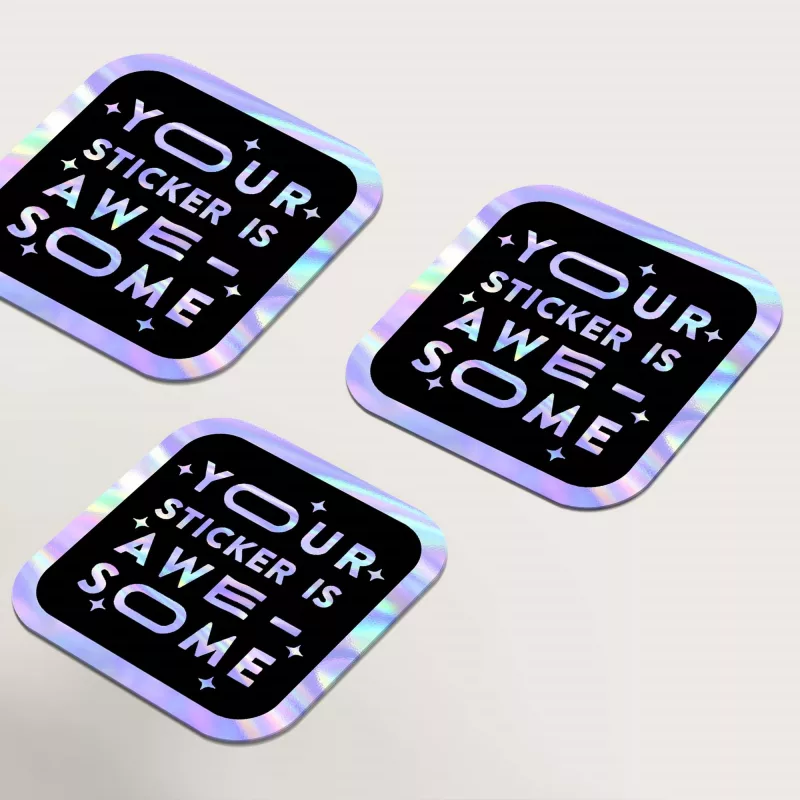
Based on adhesive type: permanent or removable.
- Permanent adhesive allows your stickers to stay firmly in place under harsh handling through a long period of time.
- Removable adhesive on these stickers allow clean removal without residue in most cases.
3. How Vinyl Stickers Are Made
Vinyl stickers are produced through a straightforward process, similarly to producing paper stickers.
The process begins with printing, in which ink gets printed directly onto vinyl sheets or rolls. This step is usually conducted with digital printing, the most common method today. It allows colors to sit cleanly on the surface, and because vinyl does not absorb ink, prints dry quickly, appearing sharp and vibrant.
Next, a layer of lamination may be added, either matte or glossy, applied over the printed vinyl. This step is optional, yet recommended for outdoor or under-harsh-conditions uses, as this extra layer improves water resistance, protects against scratches, and helps prevent fading.
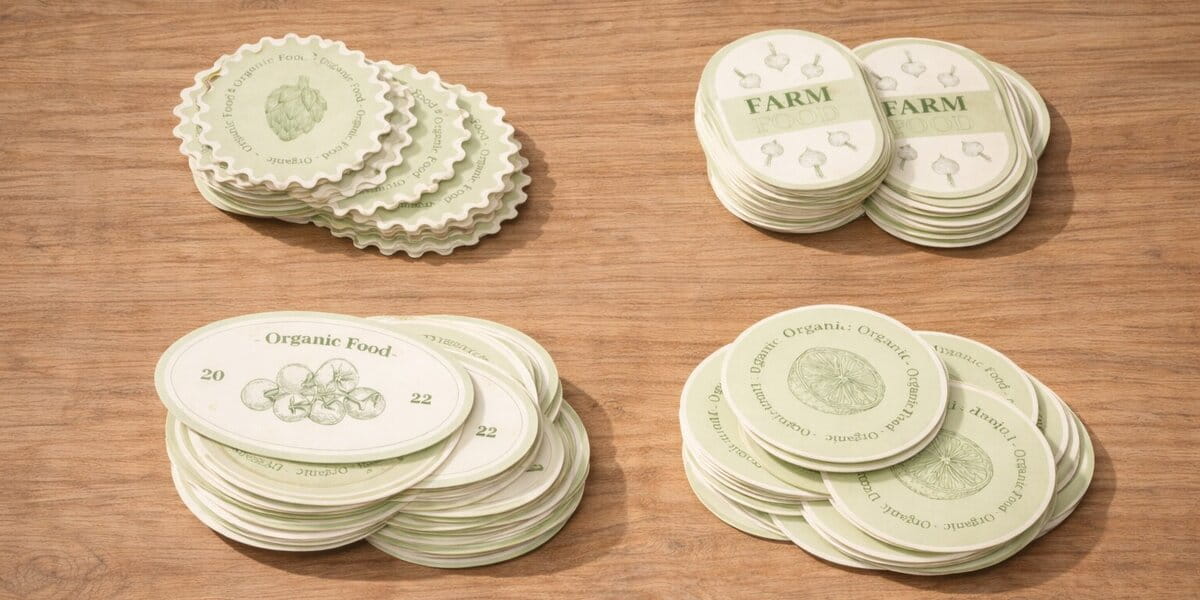
The last step is cutting. You can choose either die cut or kiss cut for your stickers. Die cutting slices through both the vinyl and backing, creating individual stickers cut exactly to shape. Kiss cutting only cuts the vinyl layer, leaving the backing intact, which allows them to stay on sheets or rolls.
Through these steps, your stickers are ready to be used.
4. How Durable Are Vinyl Stickers? Are Vinyl Stickers Waterproof?
If you are wondering about the durability and water resistance of vinyl stickers, let’s be clear: these stickers are known as one of the most durable options available. Made from vinyl, a plastic-based face stock, they can withstand moisture, water, and minor scratches well.
Their durability is also determine by the type of vinyl being used. For more information, you may want to read: “Thick vs thin vinyl: What is the ideal thickness for a vinyl sticker?“
Additionally, their performance over time can be affected by some factors:
- Direct sunlight: Exposure to UV can slowly fade your stickers’ colors, especially without lamination.
- Temperature: Consistent changes in temperatures, like when stickers are used on car or freezer, may lose their adhesion faster than other applications.
- Adhesive types: As environmental factors can affect stickers’ adhesion, their adhesive types, permanent or removable adhesive, play a major role in their durability in the long run.
- Surface compatibility: rough or uneven surfaces reduce adhesion even for vinyl-based stickers.
- Physical abrasion and chemical exposure: Frequent scrubbing, friction, or contact with cleaners and alcohol can shorten these stickers’ lifespan.

5. Vinyl Stickers vs. Other Materials
To see if vinyl stickers are a suitable option for you, let’s take a quick comparison of different sticker materials.
Vinyl Stickers vs. Paper Stickers
Vinyl and paper stickers serve very different needs. With a natural look, lower cost and less durability, paper ones work well for short term, indoor use. Meanwhile, vinyl ones last longer, resist moisture, and handle frequent handling better.
For detailed comparison between paper and vinyl materials when it comes to stickers, you may want to check out our previous blog article: “Vinyl stickers vs Paper stickers: Which one is the best for you?“
Vinyl vs. BOPP
Another common material used for stickers and labels is BOPP, or polypropylene film. This material allows you to create thinner and lighter sticky pieces that are waterproof and oil resistant.
The differences between vinyl and BOPP can be easily seen in:
- Flexibility: Thinner and lighter, BOPP stays smooth on curved surfaces and does not wrinkle easily, which is suitable for almost all product label needs.
- Outdoor performance: Vinyl stickers remain thicker and stronger, offering better resistance to sunlight and weather changes.
Thus, these stickers are a stronger option for cars, windows, and outdoor signage. Meanwhile, sticker labels made of BOPP work especially well for labels on food packaging where they may be exposed to oil and moisture frequently. They are also a good choice for applying to flexible-shaped containers.
6. Common Uses of Vinyl Stickers
Once you can tell stickers made of different materials apart, let’s see some common uses of vinyl stickers to make sure their performance suits your application.
6.1. Personal Use
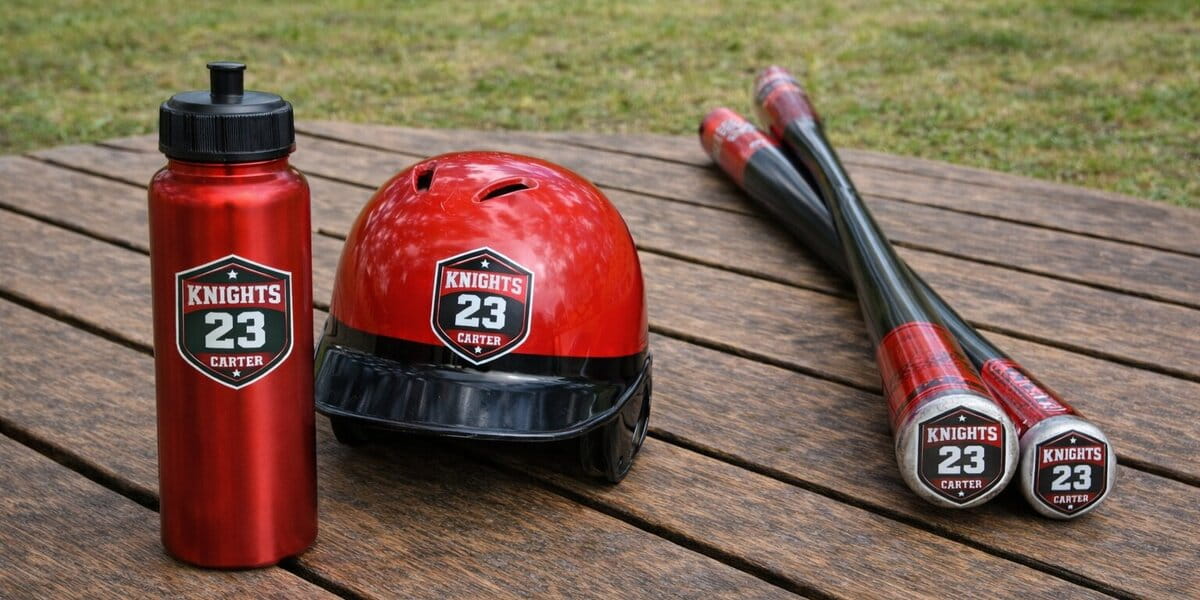
Vinyl-based stickers can be used to decorate our belongings, including laptops, water bottles, notebooks, phone cases, or travel gear. These items get handled frequently, so these stickers hold up better against moisture, friction, and daily wear.
6.2. Branding and Product
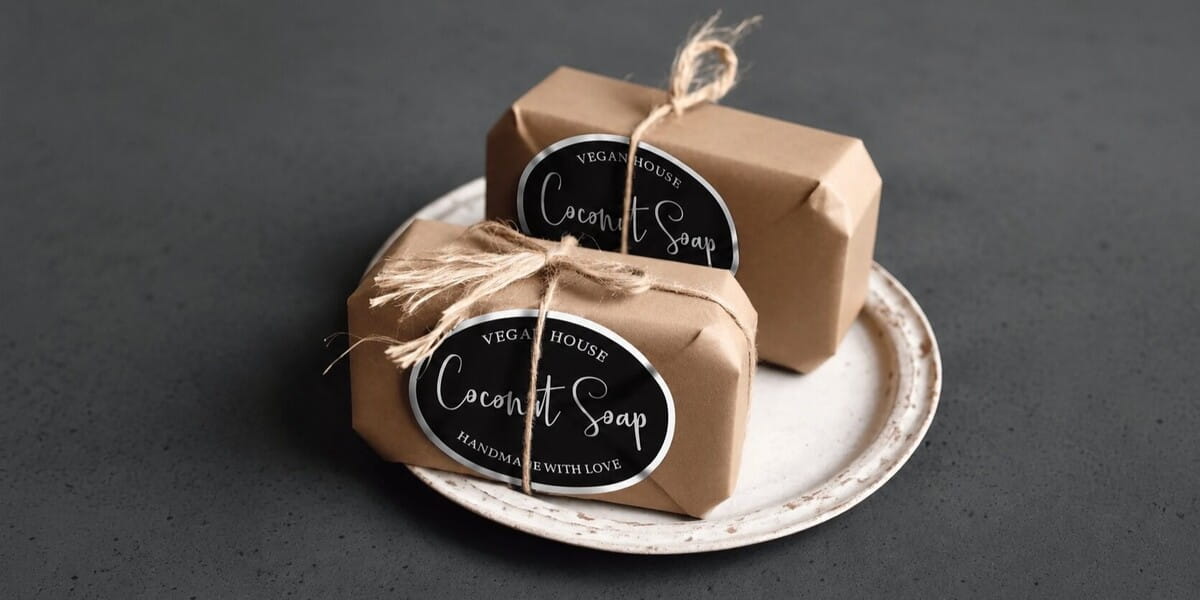
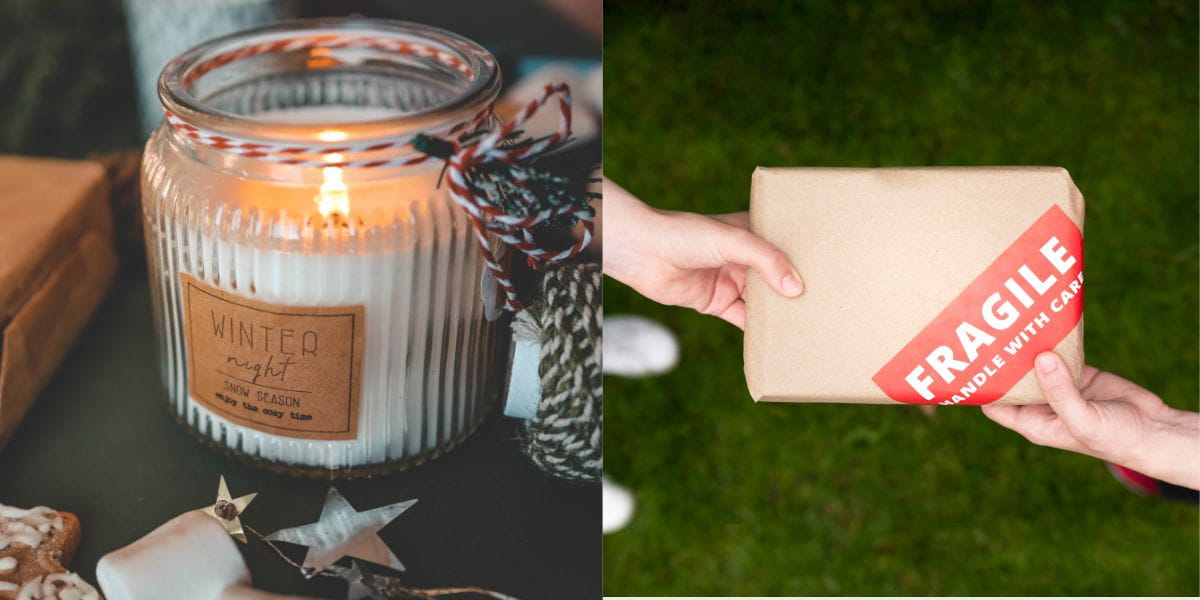
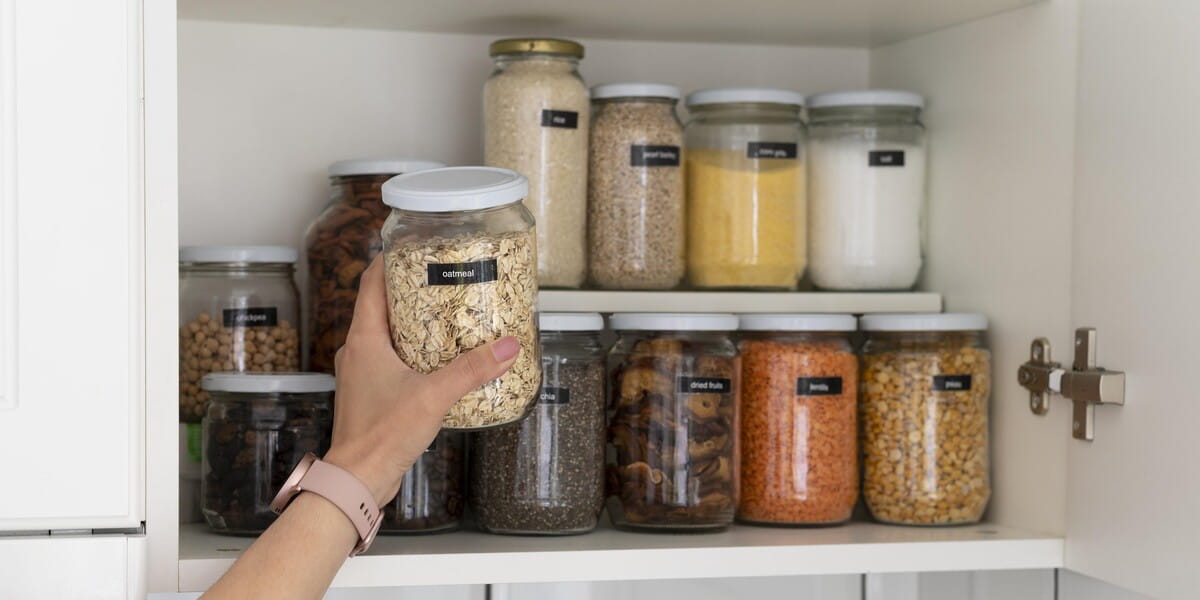
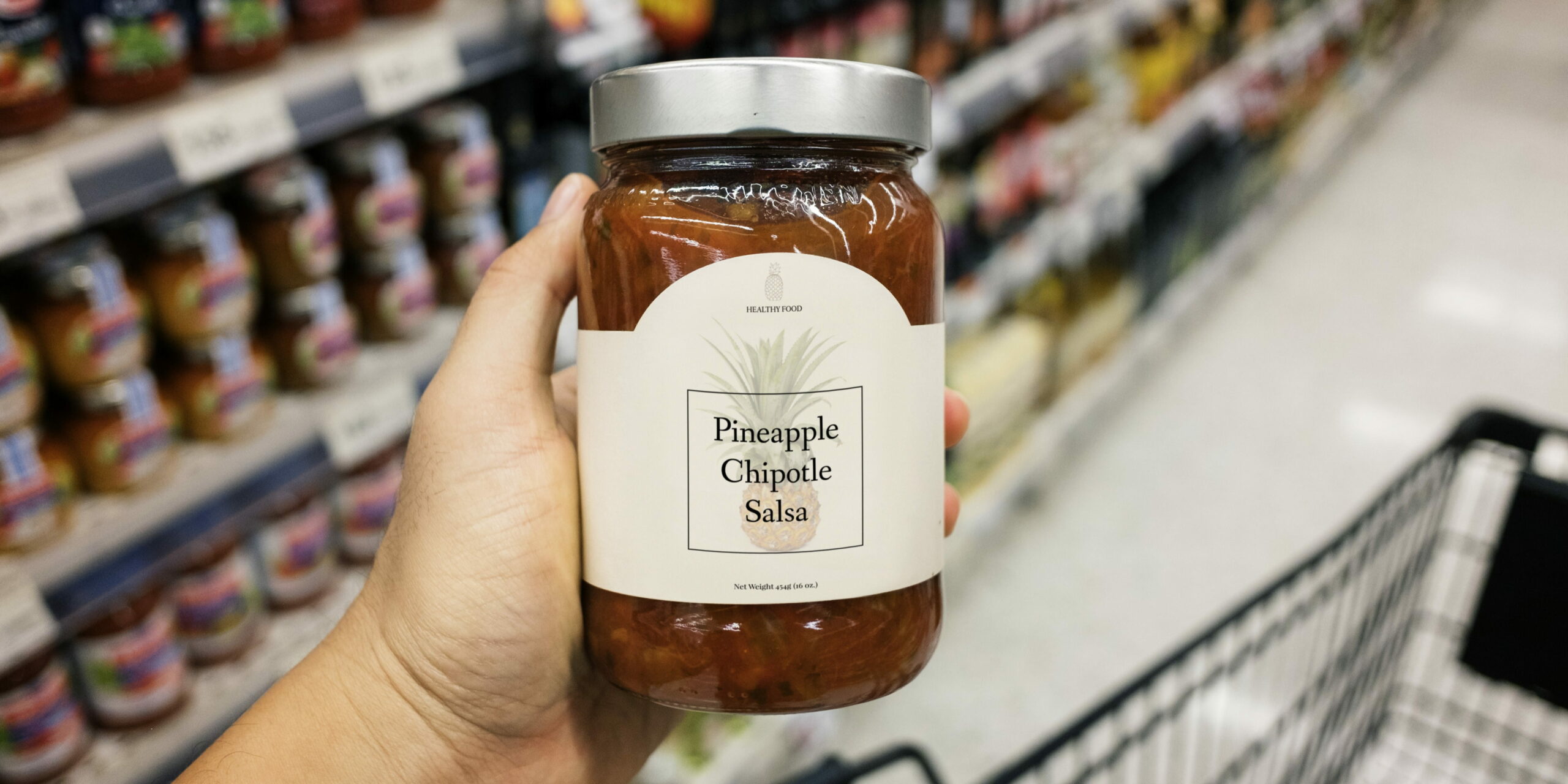
Many businesses use stickers made of vinyl for branding and product packaging. They allow your brand logos to stay clear, visually appealing for longer periods. They also work as durable labels on product containers where exposure to handling or light moisture is expected.
6.3. Marketing and Promotional
Event stickers, giveaway items, and promotional packs often include vinyl stickers for their clean, modern look.
6.4. Outdoor Use
Outdoor applications like car stickers, window stickers, storefront glass and outdoor signage commonly feature laminated vinyl ones because they handle rain, sunlight, and temperature changes well.
Last words
We’ve discovered 6 basics about vinyl stickers, from what they are, how they are made, and how they behave in real conditions. You now have a clearer understanding that these stickers are a reliable option when durability, water resistance, and long term performance matter. We hope that our guide can help in choosing the right material for your project and set realistic expectations from the start.
If you plan to explore other sticker materials, different use cases, or ways to apply stickers more effectively, our other articles about stickers can offer helpful comparisons.
FAQs
1. Are vinyl stickers waterproof?
Yes. These stickers are waterproof by nature, which means they can handle moisture, light rain, and splashes without damage. These stickers are suitable for both indoor as well as outdoor use.
2. How long do vinyl stickers last outdoors?
This sticker type typically lasts 3–5 years outdoors. However, the lifespan also depends on factors like sun exposure, weather conditions, adhesive type, protective laminate layer, etc.
3. What surfaces do vinyl stickers stick to best?
They work best on smooth, clean, non-porous surfaces, such as glass, plastic, metal, and other flat surfaces.
4. Are vinyl stickers food-safe?
These stickers are considered safe for packaging exteriors, such as labels on jars, boxes, or wrapping. They are not recommended for direct food contact.
5. Can I print vinyl stickers at home?
Yes, you can print vinyl stickers at home using inkjet-compatible waterproof vinyl sheets, usually with a laminate layer added. Despite that, professional printing always offers consistent quality in color result and durability. We highly recommend working with a reliable printing company like …, especially when you need stickers for long-term or commercial use.