Blog
What Are Food Grade Labels? Are Custom Labels Safe for Food?

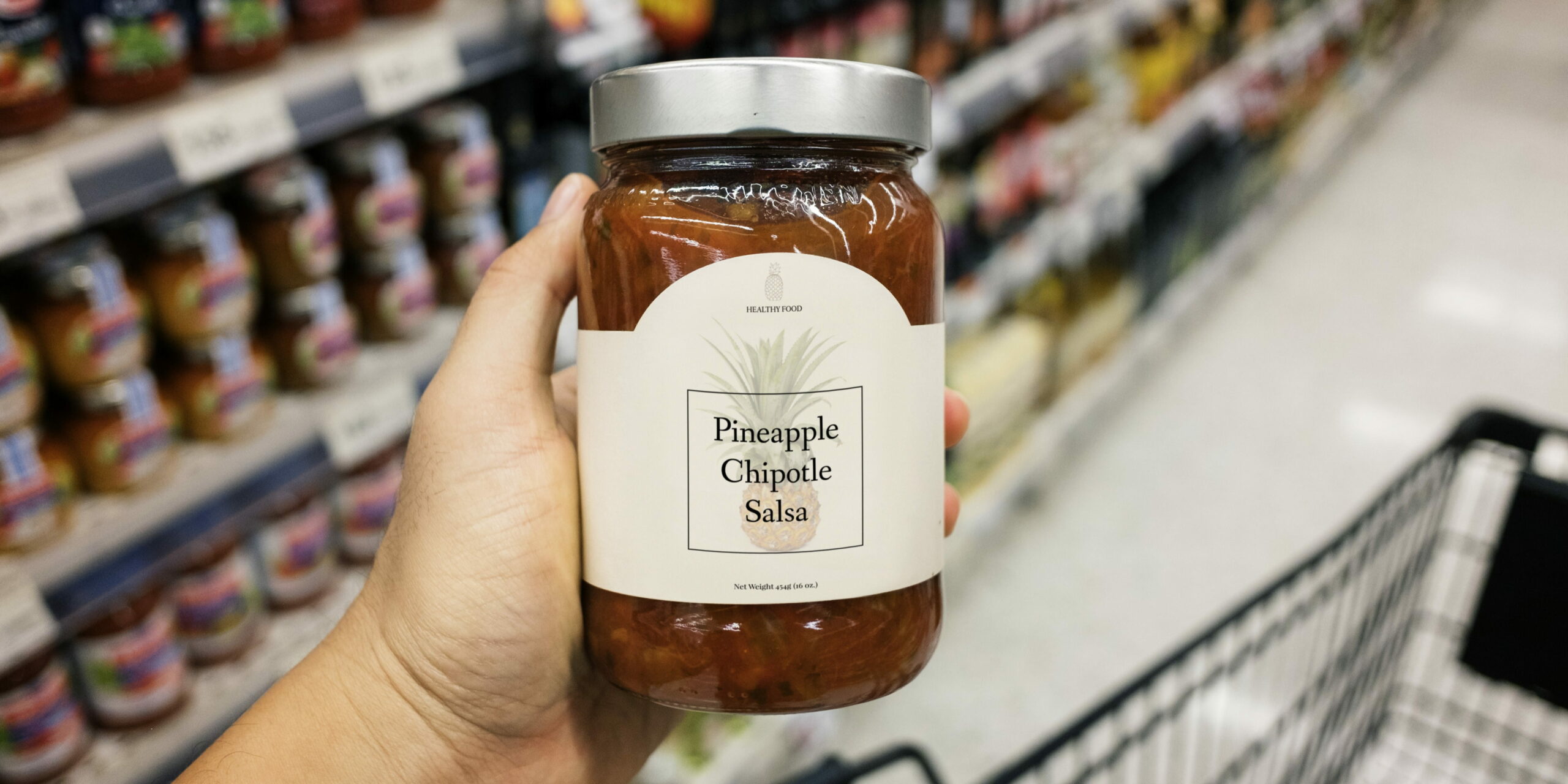
Many brands choose custom labels for product labeling, which creates questions about how safe these labels are for food use. Learning if your labels are food grade labels are an essential part of food packaging where your labels are used for edible products.
Therefore, in this article, we will explain what are food grade labels, how they meet safety expectations, and what make these labels appropriate for use in food packaging. Let’s explore!
Labels for Food Packaging
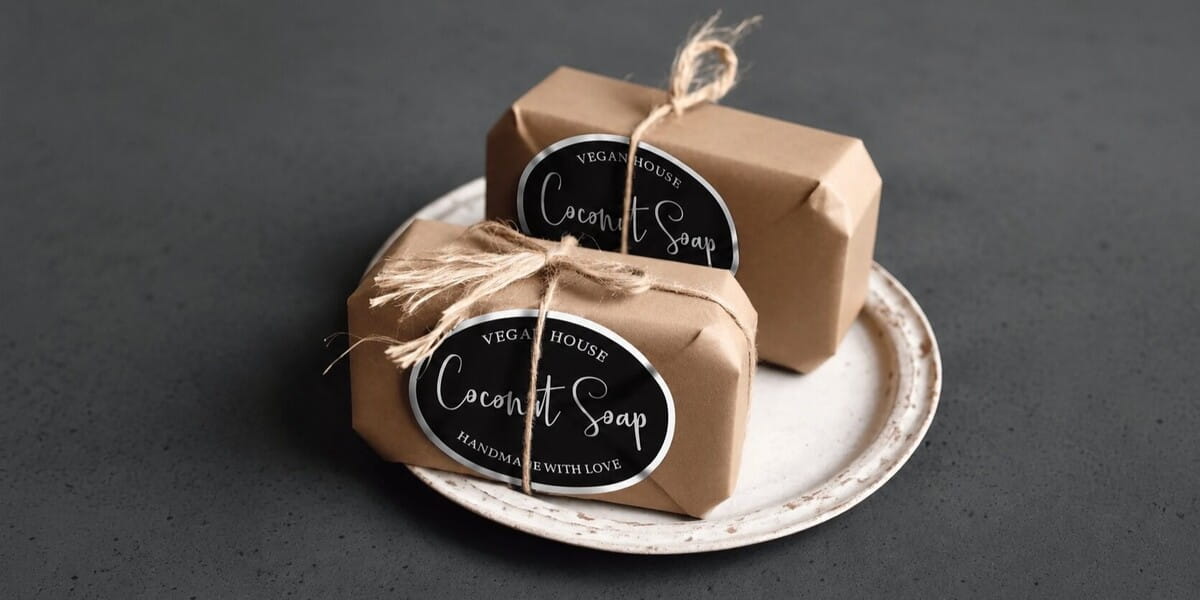
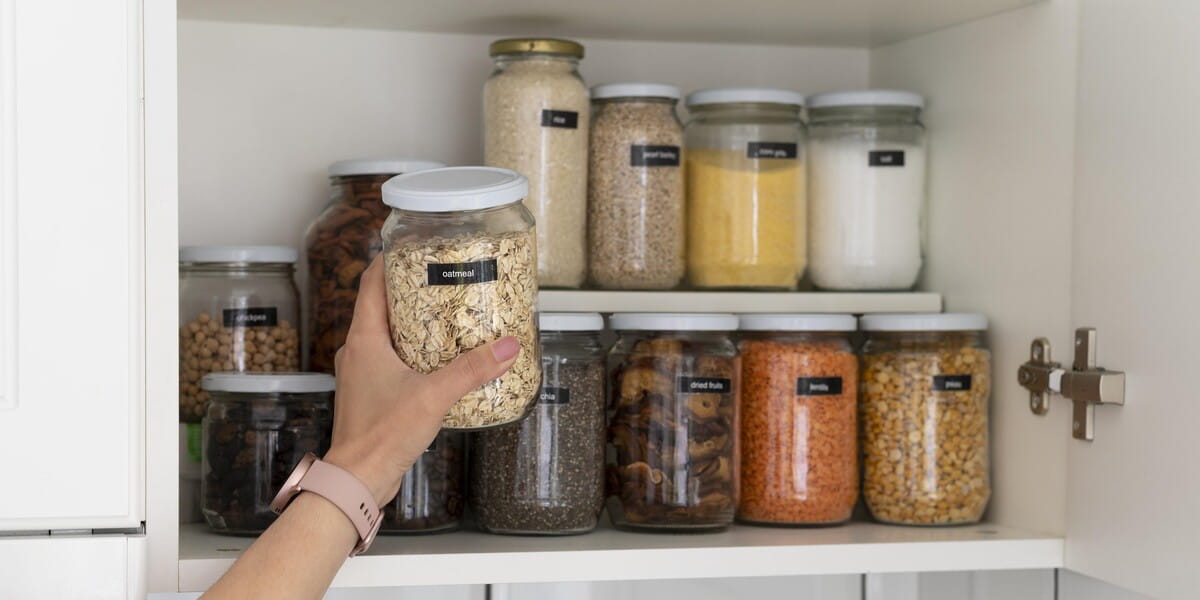
Labels for food packaging provide essential information that provides clear information for buyers. Brands use labels for food to show the product names, ingredients, usage instructions, or brand identity. Besides, well-designed labels for food packaging also enhance product visibility and recognition.
Common Positions of Labels on Packaging
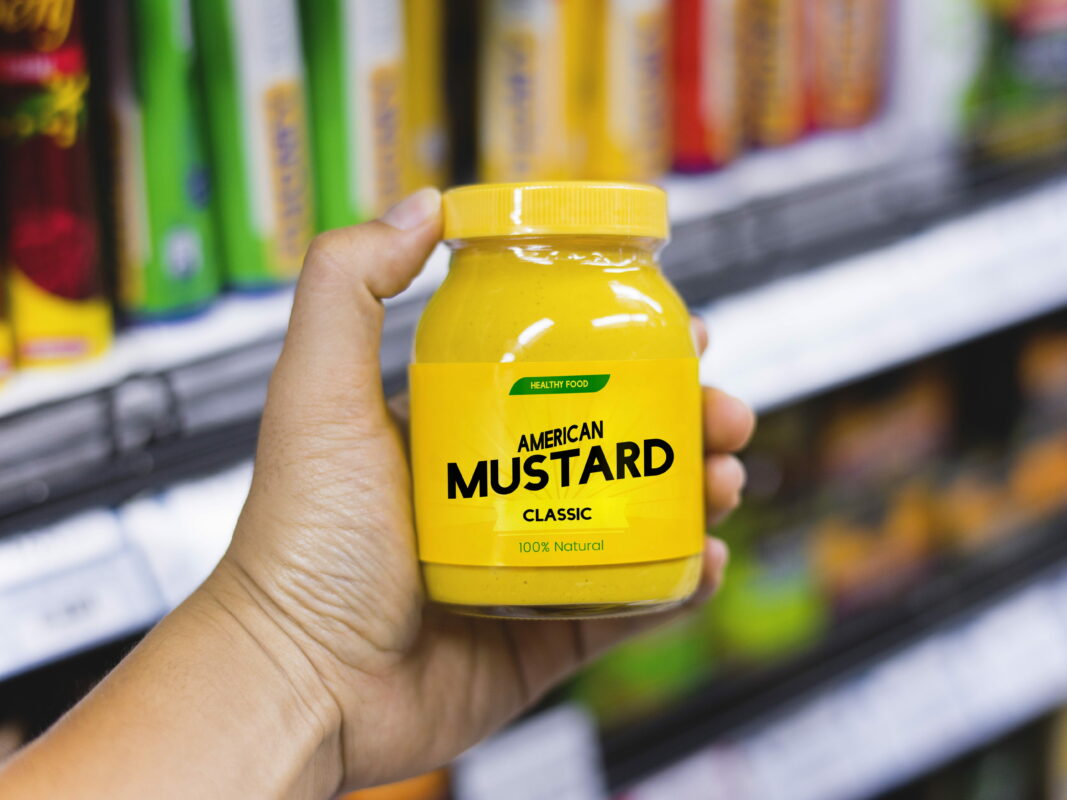
Manufacturers apply food labels in several standard positions on packaging, such as:
- The front area to show the product name, main selling points,…
- The back area contains detailed descriptions, nutrition data, …
- Side panels usually show barcodes, symbols, or regulatory notes.
- The top or lid area highlights branding elements
- The bottom area displays batch numbers and expiration dates
- Tamper or seal section
- Direct placement on items like fruits
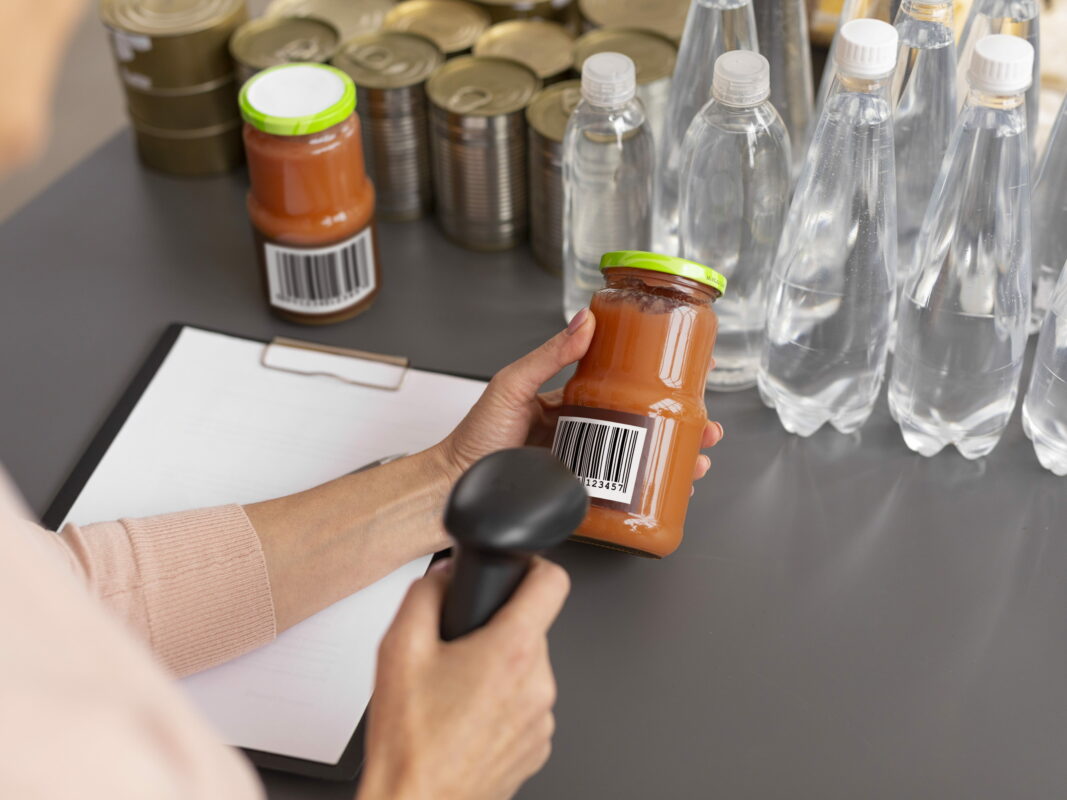
Common Types of food label
The two most common types of food labels are:
- Direct food contact label, which means the label touches the edible surface of the product.
- Indirect food contact, which describes labels for food that attach to outer packaging layers.
Each application type serves different packaging purposes and handling needs.
What are Food Grade Labels?
Food grade labels refer to labels designed for safe interaction with food products. These labels use materials that reduce risks when labels contact with edible products. They are produced with certified materials to prevent chemical migration. People commonly refer to them as food safe stickers. These labels for food packaging ensure consumer safety while providing essential product information.
Safety Requirements for Food Grade Labels
Food grade labels need to meet specific safety expectations before use, such as:
- Material safety: Materials used in food labels stickers limit ink migration and adhesive transfer. Companies creating custom food labels need to choose certified materials supplied by trusted manufacturers.
- Print quality: They also require clear printing that resists smudging.
- Adhesive requirement: Food grade adhesive labels maintain stability under cold, moisture, or handling stress.
- Chemical compliance: Proper food labels should not contain any chemicals that may transfer into food under normal conditions, including during refrigeration, freezing, or mild heating.
These ensure that food safety labels protect consumer health while still providing clear and necessary information on packaging.
When Food Grade Labels Are Used
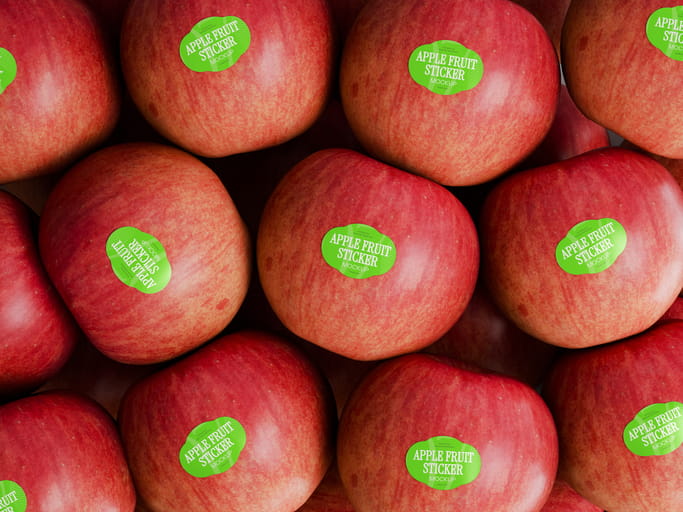
Food grade labels appear in many everyday food products. For example:
- Produce stickers placed directly on fresh fruit, such as apples and bananas, for identification and pricing.
- Butcher or deli labels may come into direct contact with fresh meat or with paper that wraps food products.
- Bakery labels applied to bags or wraps that come into contact with bread, pastries, and cakes.
- Food service labels (date labels) used in commercial kitchens, help manage storage and they may come into direct contact with prepared food.
These food label application examples show why food grade labels play an important role in maintaining safety and organization in the food industry.
What Makes Custom Labels Safe for Food Packaging
Food grade labels use selected materials and controlled processes to reduce risks near edible products. The safety of these labels comes from:
1. Label Base Materials
The base material, or facestock, forms the label’s primary structure. Different foods and storage conditions require specific materials.
- Paper labels offer a cost-effective and reliable solution for dry food that is stored in stable, low-humidity environments.
- Vinyl labels fit specific use cases that require flexibility and durability.
- BOPP and other synthetic materials perform well in cold, oily, or humid conditions, making them the ideal choice for a vast array of products, including beverages, frozen foods, and condiments.
Related read: “Why BOPP Labels Are The Best For Your Product?“
2. Adhesives
Adhesives play a critical role in food grade labels performance. Inexpensive industrial adhesives can contain harmful plasticizers, solvents, or other additives that are not approved for use near food. Then, these bad substances can move through thin packaging materials, especially in hot, wet, or oily conditions.
Therefore, a safe adhesive for food grade labels must not release any chemicals that can get through the package. It also must stay stable and not break down from heat or moisture.
That’s why you should always check adhesive safety by asking for or reading the compliance documents from the supplier.
3. Printing Inks
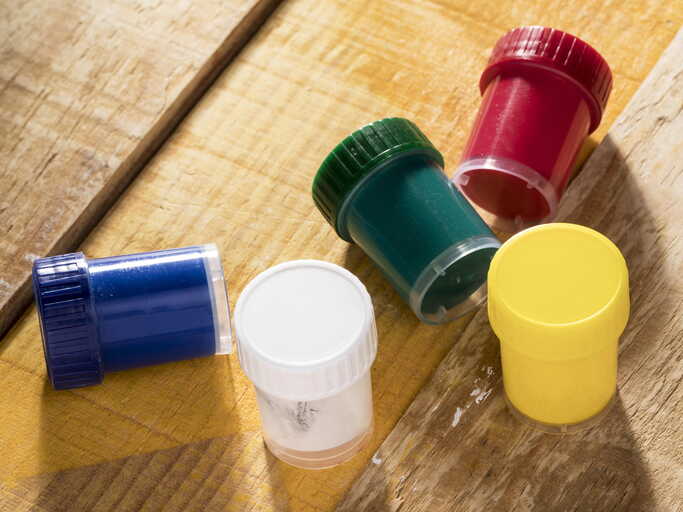
The safety of printing inks depends on 3 things: their ingredients, their chance of migration, and how they are used, for instance:
- Water-based inks contain little to no harmful solvents, making them a safer option. However, they are not very durable in wet or oily conditions.
- Solvent-based inks use chemicals that evaporate easily and need careful handling. These inks should only be used on outer packaging with a clear barrier between the label and the food. Therefore, they must be certified as food safe before being used on food packaging.
- UV-cured inks dry instantly under UV light, creating a very stable and strong print. This quick-drying process greatly reduces the risk of chemicals moving, making them a great choice for food grade labels. However, these inks still need to be certified if they might touch food directly.
4. Protective Layers
A label without a protective layer can cause problems later. The ink might fade from light, or leftover chemicals could escape, affecting the label’s look and safety.
In this case, protective layers, such as coatings and laminates, act as a final shield for printed surfaces. Coatings form thin barriers that reduce ink transfer and improve durability. Besides, laminates add stronger protection against abrasion, moisture, and fading.
These layers protect the printed surface, which stops ink from rubbing off onto the food or other surfaces. It also protects the ink from fading, which keeps the food grade labels safe and maintains the brand’s quality over time.
Where to Print Custom Labels
After learning about food grade labels and understanding what makes labels safe for food packaging, you might want to print custom labels. In that case, you should look for a partner that understands food packaging needs and production quality.
A trusted printer provides stable materials, clear printing, and consistent results for everyday use. Hence, you can confidently choose to print custom stickers and custom labels with CustomAny. We focus on reliable quality while offering support throughout design, printing, and label application. Our team works closely with you to help labels fit real packaging conditions and perform as expected.