Blog
How to Make Professional Soap Labels in 5 Easy Steps

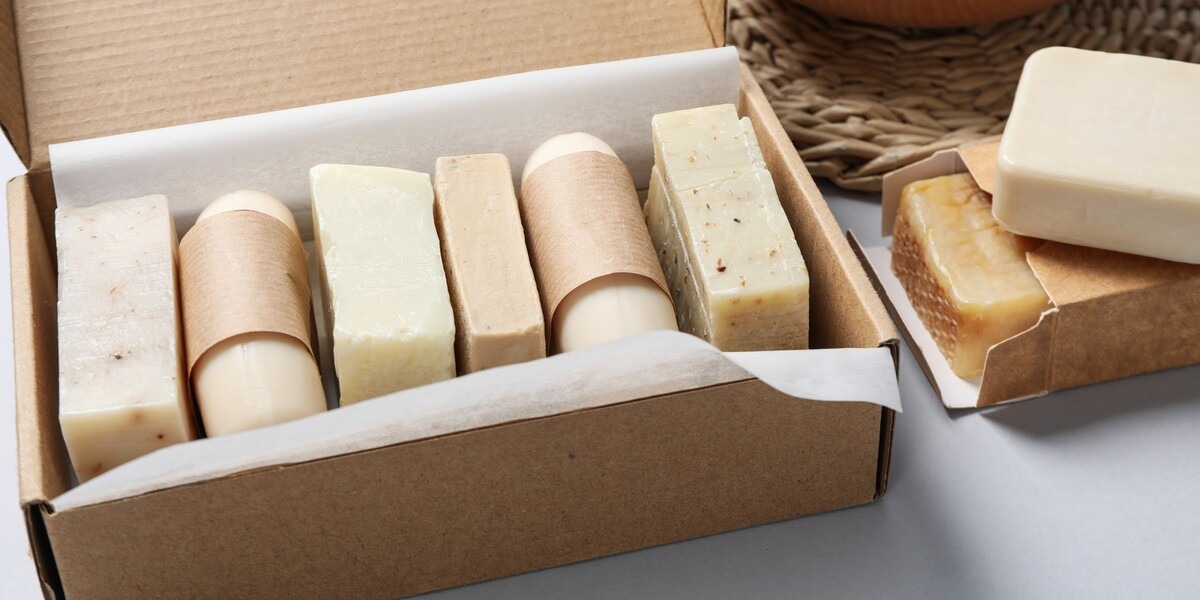
Making professional soap labels is an important part of selling your product. A good label helps customers understand what your soap is and makes your product look more attractive. Clear information and a simple design can make a big difference.
If you are learning how to make soap labels, you should follow a few basic steps and pay attention to small details. Our guide will show you 5 simple steps to help you create clean, simple, and professional soap labels. Let’s find out!
1. How soap is classified under US regulations
Before you design soap labels, you need to clearly understand how your product is classified under U.S. regulations. Soap products are generally divided into 2 main types, and each type follows different labeling rules.
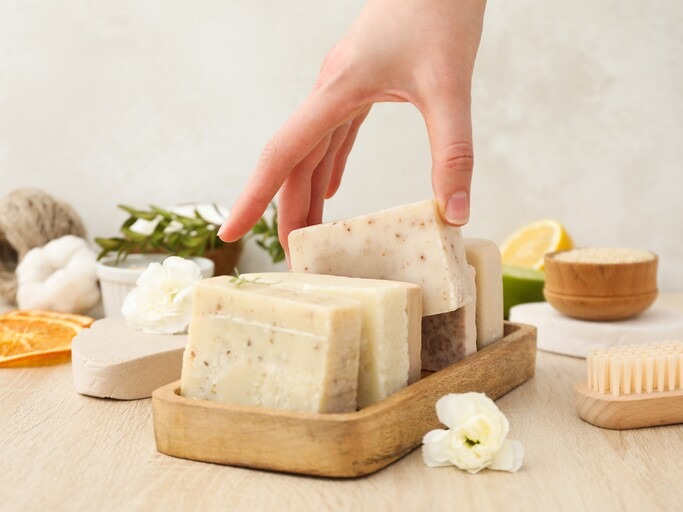
True soap
True soap is made from fats and alkali, and it is regulated by the Consumer Product Safety Commission (CPSC). This type of soap only cleans the skin, so the requirements for labels for soap packaging are simpler.
Cosmetic Soap
On the other hand, cosmetic soap, also called beauty soap, includes added fragrances, moisturizing, or skincare benefits, and it is regulated by the FDA as a cosmetic. If your handmade soap label describes skincare effects, your product must follow stricter FDA labeling rules.
This distinction directly affects how you approach soap label design and choose soap label templates. Before you learn how to make soap labels effectively, you must classify your product first.
2. What Information to Include and How to Display
When you create soap labels, you should include all important details while keeping the layout clean and easy to read. The information on your custom soap labels and packaging typically includes:
2.1. Information Commonly Included on Soap Labels
You should include the following key details on your label so customers can easily understand your product:
- Product name: You should make the name easy to see so customers can quickly identify the soap.
- Net weight: this information provides a clear idea of the product quantity when comparing products.
- Business name and address are added to build trust and show that the product comes from a reliable source.
- Ingredients: Ingredient information depends on the type of soap. True soap does not require an ingredient list under CPSC rules, but adding it improves transparency. On the other hand, cosmetic soap must include ingredients under FDA rules, and the list must follow descending order to show the main components clearly.
- Scent/variant name: this detail is displayed to guide customer choice, especially when multiple options are available.
- Warning: warnings such as “for external use only” or “avoid contact with eyes”, should be added to reduce misuse and ensure safe application.
- Optional: handmade / batch / small batch notes: You can add handmade, small batch, or batch number details to support your branding and creative soap labeling ideas.
2.2. How to Organize Information on the Label
The way you arrange information is also essential because it affects how easily customers can read and understand the label. A good layout keeps the label clean and easy to follow.
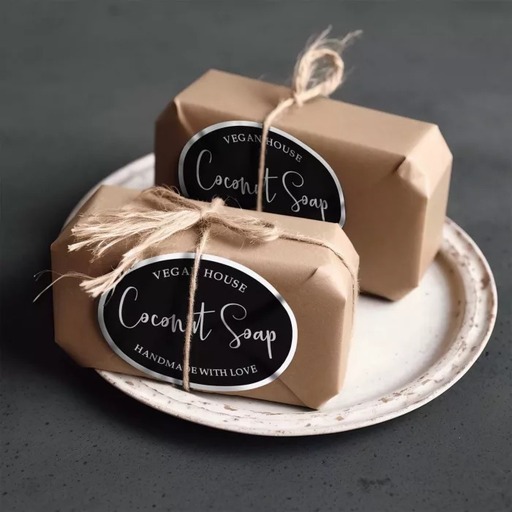
Front label
The front label should display the most important elements, such as:
- Brand name
- Product name
- Variant / scent
Back or side label
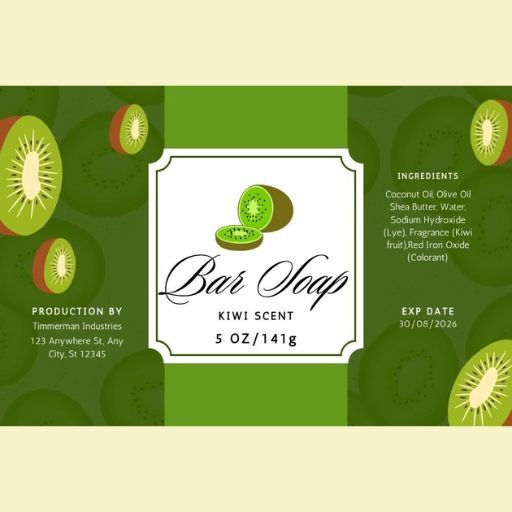
Besides, for the back or side label, you should add detailed information, including:
- Ingredients
- Net weight
- Business info
- Warning/notes
Wrap/band labels
For soap band labels or wrap around soap labels, key information is separated across different parts of the packaging for better balance, so it’s better to include:
- Brand and product name on front
- Details on back or inside wrap
3. Choosing the Right Label Material for Soap
After deciding what information to include and how to arrange it, the next step is to select the right material for your soap labels. Material selection plays a key role in maintaining both functionality and appearance for labels for handmade soap.
3.1. Things to Consider When Labeling Handmade Soap
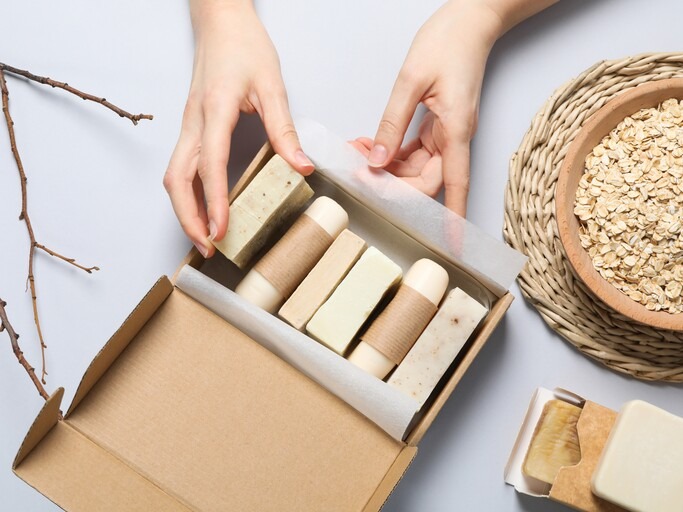
When applying labels to soap, you need to consider several factors that directly affect how long the label can stay in good condition:
- Soaps can shrink after curing, and this natural process may cause the label to loosen, wrinkle, or lose its proper fit over time.
- Oils in the soap can contact the adhesive layer, which may weaken the glue and cause the label to peel off.
- Bathrooms usually have high humidity, and constant moisture can damage labels that are not water-resistant.
- Fragrance oils may also stain the label surface, making the soap look less clean and less attractive.
3.2. Best Label Materials for Soap Packaging
To solve these issues, the material must be chosen carefully based on durability and resistance:
- Paper labels are not recommended because they absorb moisture easily and can tear or fade quickly.
- Waterproof vinyl or BOPP labels are more suitable since they resist water and maintain their shape over time.
- Oil-resistant materials provide additional protection. These materials help prevent peeling and staining.
Besides, we recommend choosing UV DTF transfer stickers as they offer a strong and modern solution. Once applied, the design adheres smoothly onto the surface without a background. These stickers also offer a slightly raised surface, creating a more premium look.
Additionally, the printed layer is cured with UV light, so the ink sticks firmly and creates a strong protective layer. This helps the label resist water, heat, and daily handling, while maintaining a sharp and long-lasting appearance.
4. Creating the Look for Your Soap Labels
The visual design of your soap labels plays an important role in how customers see and remember your product. Follow these tips to help your packaging look more professional and support your brand identity.
4.1. Recommended Label Shapes for Different Soap Packaging
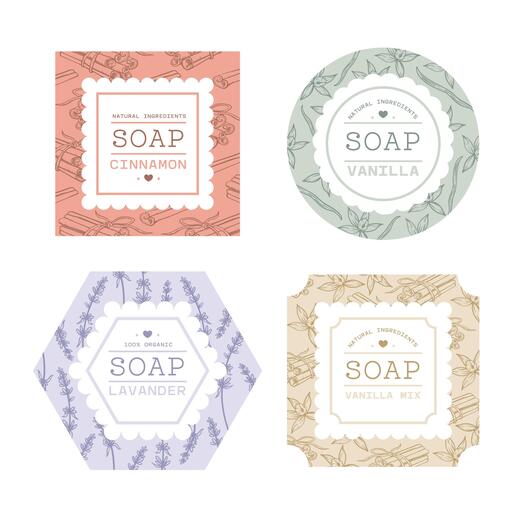
Different types of packaging require different label shapes to ensure a good fit, for instance:
- Bar soap: Wrap, band, or rectangle labels are commonly used because they can easily fit flat surfaces and cover the soap in a clean and practical way.
- Round soap: for this soap type, round or scalloped labels are preferred since they follow the natural shape of the soap and create a more balanced look.
- Liquid soap bottles: Tall rectangle labels are a popular choice, they follow the bottle’s vertical shape and provide enough space for content.
- Jars / scrubs: Round or square labels work effectively on lids or flat areas, which helps keep the layout clean and organized.
- Gift sets: Custom shapes are often used to create a distinctive appearance, making the product feel more special and suitable for gifting.
4.2. Label Finish Options
The finish of a label changes how the design is presented, so each option creates a different effect:
- Matte finish gives a soft and natural appearance, and it is often used for handmade or natural styles.
- Glossy finish makes colors look brighter and more vibrant, and it suits modern or bold designs.
- Kraft paper style adds a rustic and eco-friendly feel, which supports natural branding.
- Clear labels offer a transparent background that blends smoothly with the packaging surface, so the label offers a minimal look for your packaging.
5. Printing Out Your Soap Labels
Once the design and material are ready, the final step is printing your soap labels. Good printing ensures that your labels look sharp and last longer during use.
You can print labels at home for small batches, but professional printing often gives better quality and consistency. High-quality printing helps colors stay clear and prevents fading over time. It also ensures that text remains easy to read on every label.
If you are looking for a reliable place to print your soap labels, you can consider exploring our website for professional solutions and consistent quality. We offer waterproof vinyl materials that work well in humid environments and resist peeling. We also provide new UV DTF options, which create durable and modern-looking labels with strong adhesion.
Our service allows full customization, so you can choose your preferred size, quantity, and design. This flexibility helps you create soap labels that match your product style and meet your specific packaging.
Last words
Creating professional soap labels does not have to be complicated when you follow a clear process. A step-by-step approach helps you organize information effectively and create labels that look both professional and appealing. Hopefully, with our 5 simple steps, you can improve both the appearance and quality of your soap labels in a practical way!