Blog
How to Make Lip Balm Labels: 6 Steps from A to Z

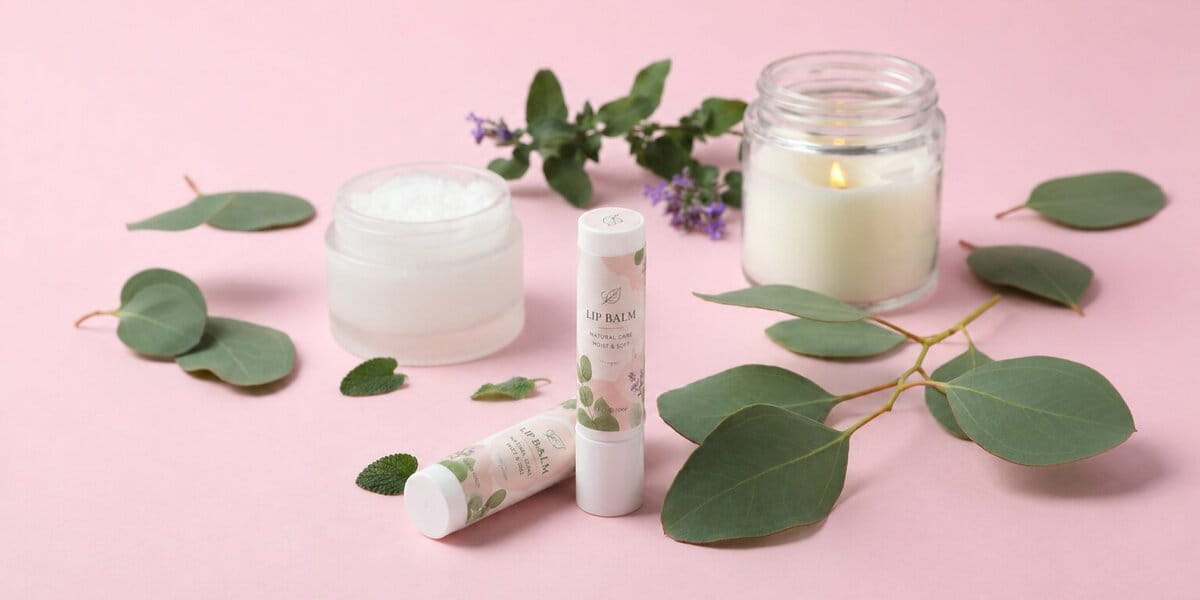
When it comes to creating lip balm labels, we need to pay more attention to precision than to many other product labels. Why? Because their containers are small sticks, tubes or jars with curved surfaces and limited space. Whether you produce in large batches or handcraft each item, there are specific requirements for creating lip balm labels so they not only fit properly and present clear information.
In our guide, you will find a full process of making lip balm labels including 6 comprehensive steps. We will start with learning all the essential information, then exploring practical tips to design, print, and apply these labels in a correct way for the best results.
Step 1: Define What Must Appear on Your Lip Balm Labels
A product label is the communication tool for you to talk to your customers, so lip balm labels need to present clear and accurate information from the beginning. To collect all information needed for this type of label, you must identify which details are legally required and which elements help customers understand your product:
Product name / identity
Your labels must clearly state what type the product is:
- Lip balm
- Lip treatment
- Tinted balm,…
The product identity allows customers to recognize the purpose immediately.
Net weight
The exact net weight needs to be presented on the label. It is often in both ounces and grams.
Ingredient list
The next information should be on lip balm labels is the ingredient list. It usually includes:
- Waxes such as beeswax, soy wax, etc.
- Oils and butters such as coconut oil or shea butter
- Flavor or fragrance components
- Color additives for tinted formulas
As in other product labels, lip balm labels present ingredients in descending order by concentration.
Manufacturer or distributor information
Next on the label presenting your company name and contact details like website, company address, support email address, …
Required warnings
For lip balm products, each formula requires specific cautions. That’s why labels for lip balms should include required warnings to support safe use and regulatory compliance.
Step 2: Choose the Right Label Shape & Size
Like we’ve said earlier, lip balm containers have a unique shape with limited space, so the labels’ shape and size must work well with the actual packaging.
Standard Size
Standard lipsticks or lip balm tubes are often around 0.6 to 0.7 inches in diameter and about 2.5 to 2.7 inches in height. Lip balm jars, on the other hand, are usually wider and shorter, typically ranging from about 1.2 to 2 inches in diameter and 0.6 to 1 inch in height.
These small measurements mean lip balm labels require precise width and height calculations to avoid overlap or empty gaps.
So when choosing shape and size for lip balm labels, you may consider:
Wrap-around vs top cap label
Wrap-around lip balm labels cover the curved body of the lip balm container and usually contain most required information. A top cap label, placed on the lid, often highlights branding or flavor.
Besides, some brands also use a wrap-around label with a tamper tab, which can be either integrated into the label or applied as a separate piece for added security.
Die-cut vs regular shape
Rectangle is a common shape option if you want wrap-around labels for your lip balms. Circle labels are used for lid labels. However, you can get more creative than those two shapes with die cut labels, which follow a custom contour, creating a distinctive look.
Step 3: Design the Label for Clarity and Balance
Lip balm labels offer very limited space so you need a design that keeps essential information readable while still reflecting your brand personality. It means a design that not only functions properly but also looks appealing.
To do that, consider these suggestions:
Layout for narrow space
For such narrow and limited space, horizontal alignment works well for wrap-around lip balm labels, while centered layouts often suit top cap labels. Besides, consistent spacing between text blocks will help you prevent visual compression.
Know the minimum readable font size
Make sure the font size on your labels is readable even under store lighting. Remember to review ingredient text carefully because it is usually the smallest.
Contrast and color
To improve readability, use strong contrast between text and background. Lip balm labels that combine light text on a light background may look elegant but reduce clarity. Balanced color choices help you maintain both brand tone and usability.
Step 4: Select the Proper Label Material
After you finalize the layout, let’s move to the production stage, which starts with selecting a material. Label material must match lip balms’ real usage conditions.
Waterproof and oil-resistant options
Lip balm formulas contain oils and waxes, which can result in wrinkles or discolor on labels over time. So when choosing lip balm labels, consider:
- Waterproof coating: A protective layer helps lip balm labels resist moisture from hands or humid environments.
- Oil-resistant material: Oil-resistant surfaces reduce staining and help lip balm labels maintain a clean appearance.
Common materials for lip balm labels
- Paper: This one suits short-term or low-budget products because it may wear faster when exposed to oil from the product ingredients.
- Vinyl: This material offers better durability and flexibility, which is suitable for curved containers.
- BOPP (polypropylene): This material offers strong resistance to oil and moisture, making it a reliable choice for brands that need the label to stay clean and intact for a long time.
Matte vs gloss finish
Related to materials, we have labels’ finish options. Their surface finish also shapes how lip balm labels feel and look in hand:
- Matte finish creates a soft, subtle effect.
- Gloss finish enhances color vibrancy and adds light reflection.
Step 5: Print the Lip Balm Labels
Once you have chosen the material, it’s time for label printing. This step requires proper knowledge and careful attention to ensure quality for your final lip balm labels. Therefore, make sure you understand label printing basics before proceeding.
Print at home vs. professional printing
There are generally 2 common ways for product label printing: printing at home or working with a professional printing service. Each option comes with different levels of control, cost, and final quality.
- Printing at home is often suitable for small batches, samples, or short-term use. It gives you flexibility and faster turnaround, but the final result depends on printer capability, material compatibility and your printing skills as well.
- Professional printing is typically preferred for retail distribution or larger quantities. It offers more consistent color output, sharper details, and access to specialized materials that enhance durability and overall presentation.
If you’re preparing lip balm labels for retail, working with a professional service like ours helps you achieve better results. We offer vinyl labels that resist oil and frequent handling, helping your labels stay intact over time. Custom sizes are available to ensure a precise fit for your specific tube or jar. We also support the designing stage so your label turns out exactly what you want.
Printing Notes:
Format: Choose the label format that aligns with your production scale and application method. [ READ RELATED BLOG]
- Singular labels fit very small runs.
- Sheet labels work well for manual application.
- Roll labels are more efficient for higher volumes or machine application.
You may want to read: “Sticker Sheet vs Sticker Roll: Which Format Best Fits Your Use?“
Test print before large quantities:
You should test with a small number of labels to have a realistic preview of how the design appears before opting for full label printing. It includes color accuracy and readability, ensuring the final labels meet your expectations.
Step 6: Apply the Lip Balm Labels Correctly
The final step is putting your printed labels in use. At this stage, you should know that common lip balm containers create a few practical challenges during application:
- The curved shape makes straight alignment more sensitive.
- The small surface area leaves very little room for adjustment.
- Slight shifts become noticeable immediately.
- Uneven pressure may cause bubbles, wrinkles, or edge lifting.
Thus, precise application plays a bigger role than many expect.
How to Apply Labels on Curved Surfaces
To apply labels on such unique surfaces, a steady approach with knowledge and experience leads to better results:
- Align one edge of the label first to establish a straight reference point.
- Wrap the label gradually around the tube instead of pressing it down all at once.
- Smooth outward with consistent, even pressure.
You can also look for label applicators to achieve more consistent alignment and faster application, especially for larger batches.
Last words
Getting perfect lip balm labels requires a balance between visual design with a compatibility with the small, curved packaging. With the insights covered above, we hope you can create labels that look consistent, fit properly, and perform reliably for your products.
Don’t forget that at CustomAny, besides printing custom stickers and custom labels, we also provide guides and tips for designing, printing, and using them effectively. Read more useful guides here.