Blog
How to Make Honey Labels: A Practical Guide for Small Honey Brands

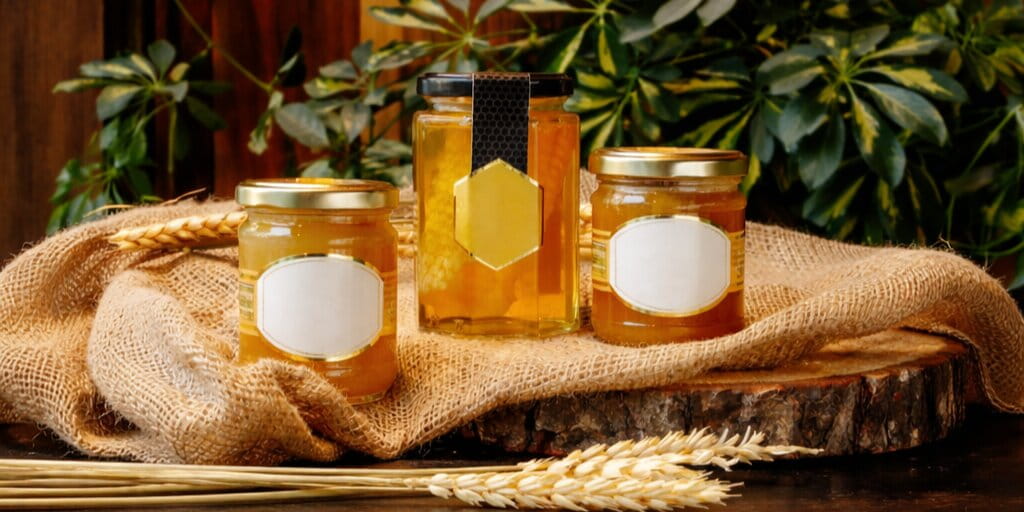
Creating effective honey labels is an important step for small honey brands that want to present their products clearly and professionally. A well-designed label not only offers basic information, but it also reflects the quality, origin, and identity of the product, attracting more customer attention.
In our guide, we will explain the key steps in making labels that are both functional and visually appealing. So, let’s get started!
1. Essential Information Every Honey Label Should Include
When designing honey labels, you should include the following basic information to keep honey label designs clear.
1.1. Product name
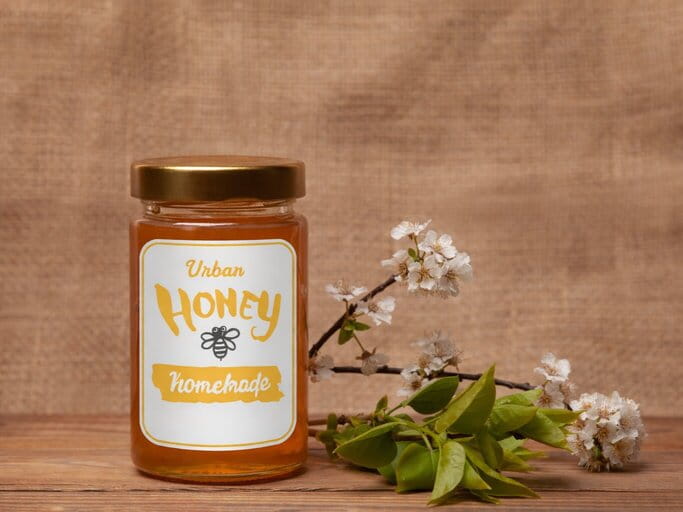
Your honey jar label should be sized for easy reading, so customers can recognize and instantly understand what they are buying. A distinctive name, combined with clear fonts and well-chosen colors, helps your label stand out and stay memorable.
1.2. Brand name
The brand name plays an important role in helping customers recognize the product. A clear and consistent display across honey bottle labels supports a stronger and more memorable identity.
1.3. Net weight
The net weight is another key detail, as it shows how much honey is in the jar. You should present this information in standard units such as grams or ounces to meet honey label requirements.
1.4. Manufacturer or distributor information
Your label should include the name and address of the manufacturer or distributor, so customers know who is responsible for the product. If a distributor handles your product, you should clearly mention their role to avoid confusion. This clarity helps build trust and makes your honey labels look more professional.
1.5. Ingredient list
An ingredient list as part of your honey nutrition label will reassure customers about your product quality. Even if it is 100% pure honey, a simple ingredient list like “100% Honey” works well. This small detail helps your honey labels look clear and reliable.
2. Additional Details That Can Strengthen a Honey Label
Beyond basic information, a strong honey label template should include additional details to make your product stand out more clearly.
2.1. Country of origin
The country of origin provides clear insight into where the honey is from. This detail adds authenticity, especially when customers compare different honey jar labels on the market.
2.2. Quality grade
A quality grade provides a general indication of the product’s standard or level of processing. This detail offers additional reference points when evaluating honey bottle labels.
2.3. Safety notice (e.g., infant warning)
A safety notice communicates important usage guidance, such as warnings related to infants. Including this detail helps customers use your honey safely and reduces the risk of improper use, especially for sensitive groups like infants.
2.4. Honey variety / nectar source
Information about the nectar source explains where the honey’s flavor and color come from. Different floral origins create distinct characteristics, so this detail helps describe the product more clearly.
2.5. Nutrition information
Nutrition information offers a brief overview of key components such as energy and sugar content. This section provides useful facts about the product. With this addition, labels for honey appear more complete.
3. Selecting the Right Label Size for Honey Containers
Choosing the right label size plays an important role in both appearance and functionality. A well-fitted label helps honey labels look balanced and ensures that key information remains easy to read.
3.1. Small honey jars (4 oz – 8 oz): Circle labels or small rectangle labels
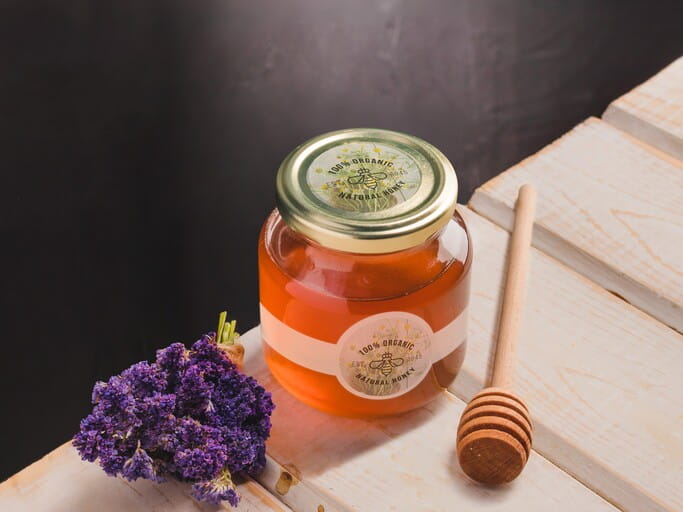
Small jars require compact labels that do not overwhelm the surface. Circle labels often fit neatly on the lid or front, while small rectangular labels provide enough space for essential details.
These options work well with simple honey label design templates that focus on clarity and minimalism.
3.2. Standard honey jars (12 oz – 16 oz): oval or square labels
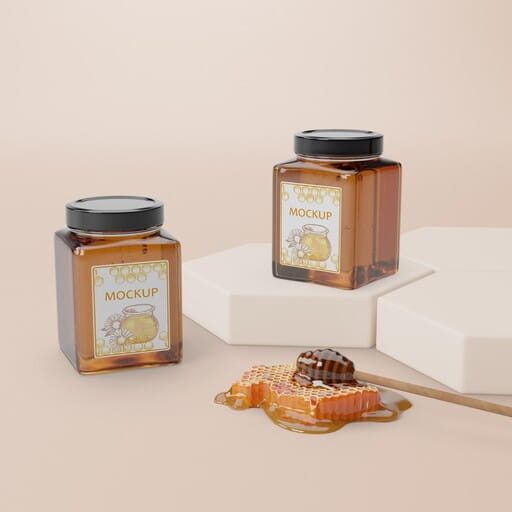
Standard jars offer more surface area, which allows for slightly larger and more detailed designs. Oval labels create a soft and classic look, and square labels provide a modern appearance. These shapes give enough space to include branding and product details without making the honey labels look too overwhelmed.
3.3. Squeeze bottles: tall rectangle labels
Squeeze bottles usually have a vertical shape, so tall rectangular labels fit their shape more naturally. This format supports a logical arrangement of content from top to bottom. As a result, the label design appears more aligned with the container and easier to follow.
4. Design Elements Often Used on Honey Labels
Design plays an important role in how honey labels communicate the product’s quality and style. Many small brands choose simple but meaningful elements to create a strong visual identity.
4.1. Bee or honeycomb patterns
Bee and honeycomb patterns are commonly used because they directly connect to the source of honey. These elements help customers quickly understand the product and create a natural, familiar look.
4.2. Warm color palettes (amber, gold, brown)
Warm colors such as amber, gold, and brown reflect the natural tones of honey. These colors create a sense of richness and warmth. They are also the colors often associated with something handmade, giving your product the idea of natural, organic honey.
4.3. Transparent labels that reveal the honey color
Transparent labels allow the natural color of the honey to become part of the design. Clear labels highlights the product and keeps the design clean and minimal, giving the label a more modern look.
4.4. Rustic typography for handmade or artisanal honey brands
Rustic typography is often chosen by handmade or artisanal honey brands to reflect a natural and traditional style. These fonts usually have a slightly imperfect or hand-drawn look. This creates a warm personal feeling on honey labels.
5. Printing Options for Honey Labels
The printing method often depends on the number of labels you plan to produce. A suitable choice can improve the appearance of your honey labels while still fitting your budget and production needs.
5.1. Printing labels at home for small batches
Home printing is commonly used for small batches or early production stages. This approach allows designs to be updated quickly, which makes it easier to test different layouts or styles.
It also offers flexibility because labels can be printed as needed instead of in large quantities. As a result, honey labels can be adjusted while maintaining a consistent look for small-scale production.
5.2. Professional printing for larger quantities and specialized materials
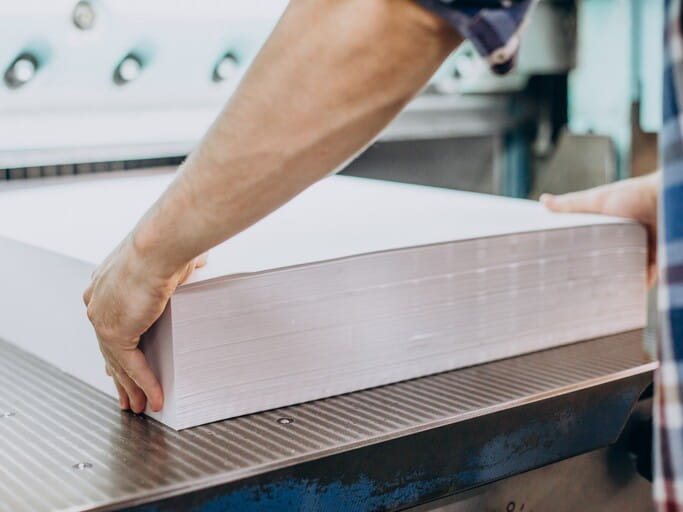
Professional printing becomes more practical when production increases. This option creates consistent results across all honey labels, so every label looks the same in color and quality.
It also allows the use of specialized materials, such as waterproof finishes or no background look.
In addition, professional services produce clearer colors and sharper details. Therefore, the product looks more organized and presents a more professional image overall.
6. Conclusion
Our guide includes practical approaches to help your honey brands in creating structured and effective labels. With these tips in showing information, setting layout, and making decisions in designing as well as printing stage, your honey labels can better represent your product and make it easier to sell.
If you are looking for a reliable way to print your labels, CustomAny offers practical solutions for small honey brands. We provide high-quality honey label printing with durable materials, consistent colors, and flexible options to match different packaging styles. So, let’s visit our website and get your labels designed, printed, and ready for use.