Blog
How to Create a Minimalist Label Design for Products: A Simple 3-Step Guide

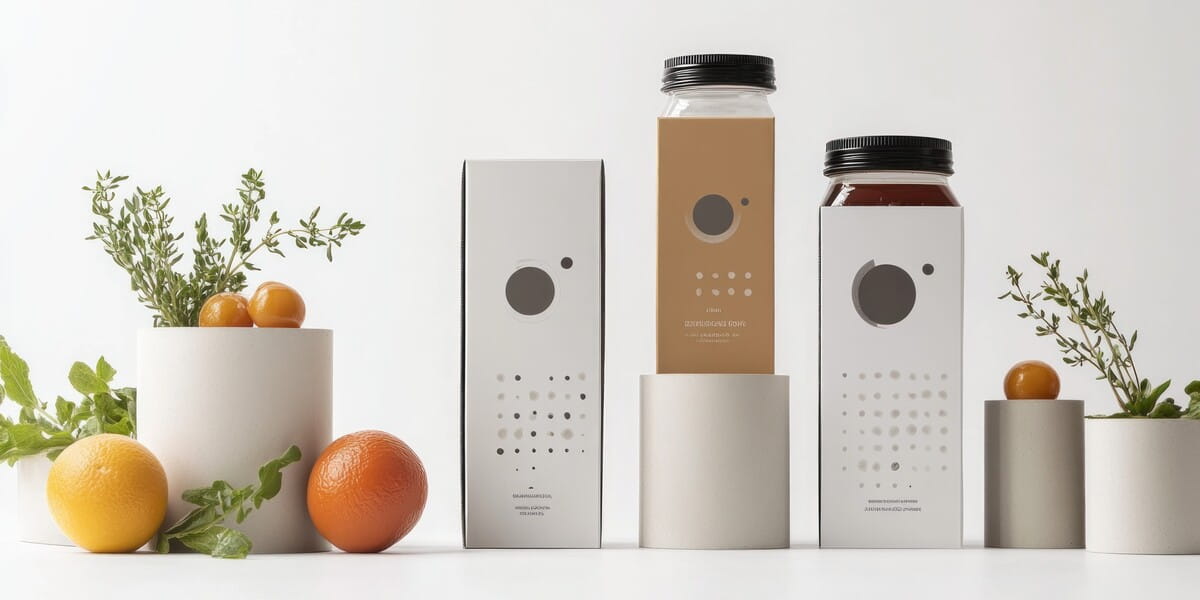
Minimalist label design is not hard to be found around us as they create a unique look and specific effect on product packaging. If you are a brand owner preparing to bring a product to market or going through a rebranding stage with minimalist style preference, our article is intended to help.
In this guide, we will introduce you to minimalist label design for products and show whether your product and your brand are suitable for this custom label design direction. We then move into 3 simple steps to create minimalist labels that are both effective and aligned with your brand.
About Minimalist Label Design
First of all, let’s discover what are considered minimalist label designs and whether they are suitable for your products.
1. What Is Minimalist Label Design for Products?
Minimalist labels are those with minimal elements on their designs yet still fulfill their functions by communicating key information clearly. These designs create a professional and refined impression.
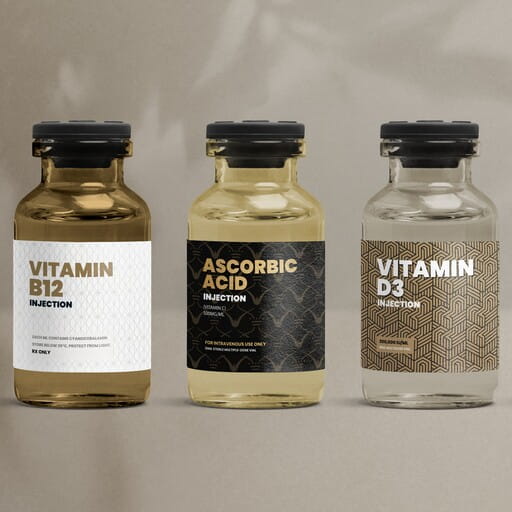
2. Key Characteristics
We can easily tell which one is a minimalist label design by a small set of clear and consistent characteristics:
Every detail serves a specific function
Each element on the label exists for a clear reason, for example: information such as product name, brand name, ingredient list; or illustration details that connect the main ingredients with the brand image. These minimalist labels give each of their details a defined role and avoids unnecessary complexity.
Using fewer visual elements:
Compared to general labels, minimalist labels use fewer visual elements to keep the overall appearance clean and controlled. Colors, typography, and decorative details are kept purposeful so the label communicates effectively yet remains simple.
Open and uncluttered layout
The limited amount of information of these label designs is organized in a clear and spacious way. This is done by using spacing and placement strategically, helping separate different types of information. Minimalist labels look clean and everything on them is easy to follow at a glance.
Together, these 3 characteristics shape minimalist label design into a simple, dedicated and intentional design.
3. When Should You Use Minimalist Label Design?
Before learning how to create effective minimalist label designs, make sure this label design direction is for your products and brand.
Your product or brand aims for a minimal image
Minimalist labels work well if your products or your brand aim for a minimal, premium, or refined image. In these cases, a minimalist label allows your product to appear more polished and keep your brand presentation controlled.
When label information is not complex
Minimalist product labels are a suitable choice when the information on your label remains simple and limited. In contrast, products that require dense instructions or large amounts of mandatory text will struggle to fit into a minimalist label design.
4. Benefits of Minimalist Label Design
Minimalist labels offer some clear benefits in product presentation and branding over time:
- Product labels are easier reading and quicker understanding for buyers
- A timeless look that relies less on short-term design trends
- Lower printing costs thanks to simpler layouts and fewer colors
- Create a strong sense of professionalism and premium quality in your products and brand image
- Easier for expansion when new products are added to your product line
In short, minimalist label design is especially valuable if your brand wants clarity, durability, and efficiency to coexist on the one label. If your company vision matches this direction, let’s move to the next section for a practical guide to menial label designs.
3 Steps to Create an Effective Minimalist Label Design
Our 3-step guide here will help you create a minimalist label design for your products in a simple approach:
Step 1: Simplify the Content
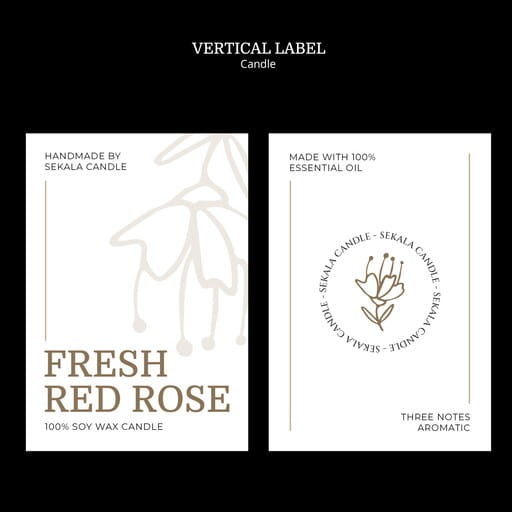
What comes first in creating any label design is the content. For minimalist designs, this step is even more important as your label content needs to be simplified. This is done through:
Identifying the core elements
For minimalist label design, you need a small group of core elements, usually including:
- Product name
- Brand logo
- Essential product information
- Distinctive artwork or symbol that represents the product or the brand,…
The exact combination can vary depending on the product type or the overall direction of your brand.
Determining the function of each element
As discussed earlier, every element on a minimalist label serves a specific purpose. Identifying the function of each element helps determine whether it supports identification, communication, or brand recognition. This step makes it easier to decide which elements should appear on the label and which ones should be left out.
Filtering out unnecessary details
Once you group the elements based on their functions, unnecessary details must be excluded, while the remaining elements serve specific roles in presenting the product and the brand on the label.
Step 2: Simplify the Visual Design
The next step is considering the visual design. It means you need to simplify the design visually so the label looks minimalist while still remaining effective.
Fonts
To create a minimalist design, the number of fonts appear on your labels should stay limited to 1 or 2. We recommend using clear and simple typefaces for a clean, minimalist visual tone.
Font size and hierarchy
A minimalist visual label design works best when font sizes follow a clear hierarchy. Key information must appear in a larger font size, while supporting details use smaller and more restrained sizes.
Color palette
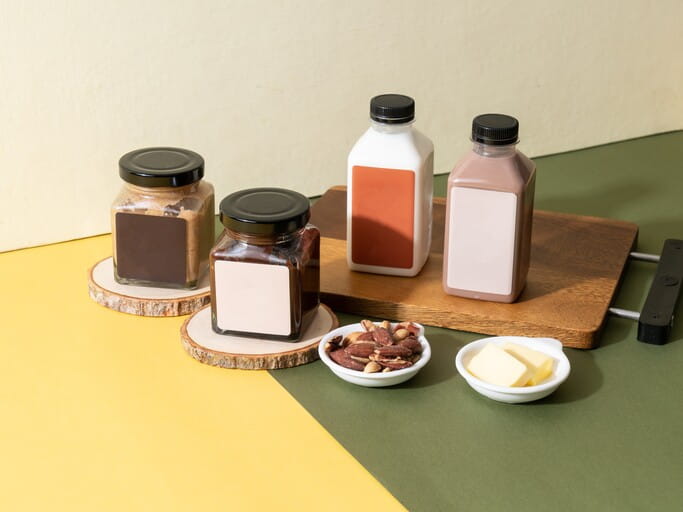
In minimalist label design, the color palette should also remain simple. This label design direction works well with 2-3 colors, and some can rely on a single color by using white space or the container’s surface as part of the design. When more than one color appears on your design, the palette should stay harmonious. Besides, you should avoid overly strong or harsh contrasts.
Layout and white space
For a balanced layout on minimalist labels, white space plays an important role. Using them properly will keep information visually separated and improve your labels’ readability.
Step 3: Simplify the Label Type
Another important factor in creating a minimalist label design is to choose a minimalist label type. We recommend selecting a label type that naturally supports a clean and refined appearance. There are 3 label types that work especially well with minimalist label design:
White labels
White labels are labels printed on a white base substrate. The white background is what makes this label type suitable for minimalist label design, as it provides a clean and neutral surface for content placement.
You can place text, typography, and layout elements on this white base clearly, allowing the information to stand out while keeping the overall design simple and controlled.
Clear labels
Clear labels use a transparent, see-through substrate that allows product information to remain visible while letting the container or packaging show through. This label type is the ideal choice for minimalist labels as it combines visible information with the original surface of the product, so your label looks subtle and visually minimal.
UV DTF transfer stickers
Another label choice we want to recommend to you is UV DTF transfer stickers. What makes these sticker labels special is that only printed areas remain after application.
When producing UV DTF transfer stickers, the design is printed on a special film and topped with a transfer tape. Then during application, the film will be peeled away and this design is transferred onto the application by the tape. No substrate layer is left behind, so only the printed elements stay on the container.
This special feature creates the impression that your label design is printed directly onto the product, resulting in the most minimal visual appearance.
In addition to the clean look, these stickers offer slightly raised texture that adds a tactile feel, making UV DTF transfer stickers especially suitable for minimalist brands that aim for a refined and premium image.
With these 3 recommended label types, the minimalist direction of your design will be reinforced and keep their visual outcome clean and consistent.
Where to Print Minimalist Label Design for Products?
Now that you have made your deliberate choices in minimalist label designs, materials, and types, it’s time to turn your minimalism (or any other style of design) into real product labels. At this stage, remember that we provide professional printing services for all custom sticker and custom label needs.
At CustomAny, we offer various custom stickers and label types, including white labels, clear labels; and especially UV DTF transfer stickers – which are favored by minimalist and premium brands for their clean appearance and subtle tactile finish. With hands-on production experience and practical design support, we are here to support you and your brand in creating high-quality printed labels that work.