Blog
How to Custom Apparel at Home with DTF Transfers: 4 Easy Steps + 3 Tips

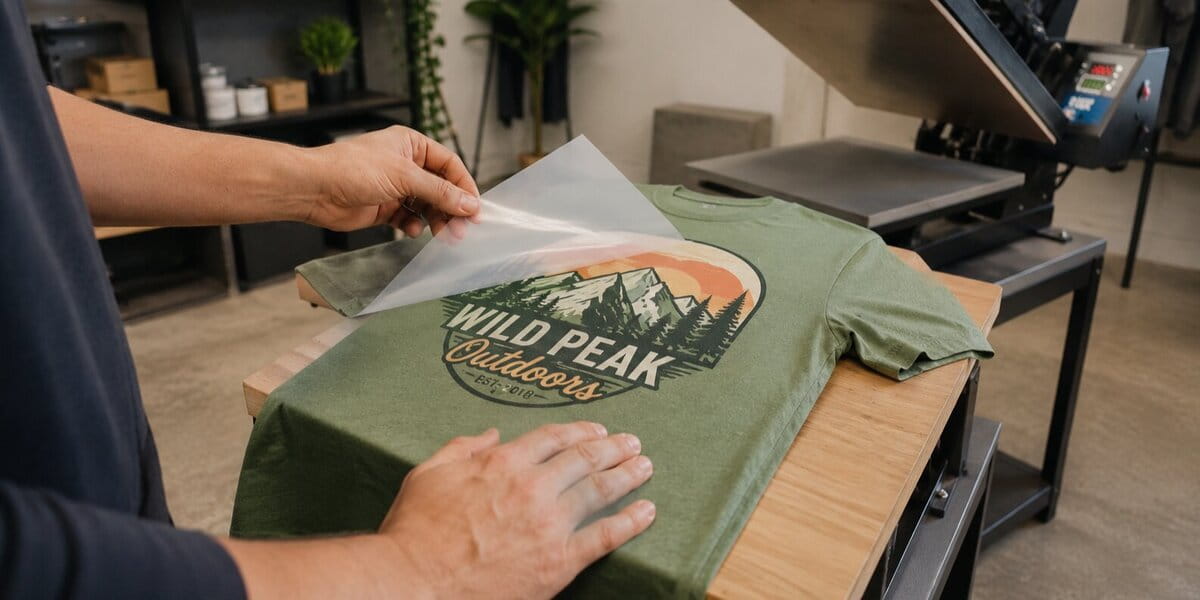
If you are someone who enjoys custom apparel or you run a business that sells personalized clothing, you probably already know or have even used iron-on DTF transfers. These transfers make customizing fabric-based items much easier and more flexible than before. However, since heat-applied transfers come with a specific application method, using them still requires a certain level of understanding and experience.
Therefore, in this article, together we will explore DTF transfers, how they are made, and what purposes they are suitable for. More importantly, to support both individual users and businesses who are using or planning to use DTF transfers to custom apparel at home, we provide a guide with 4 simple steps to apply them. In addition, you will also find top 3 tips to help achieve more durable results.
What Are DTF Transfers?
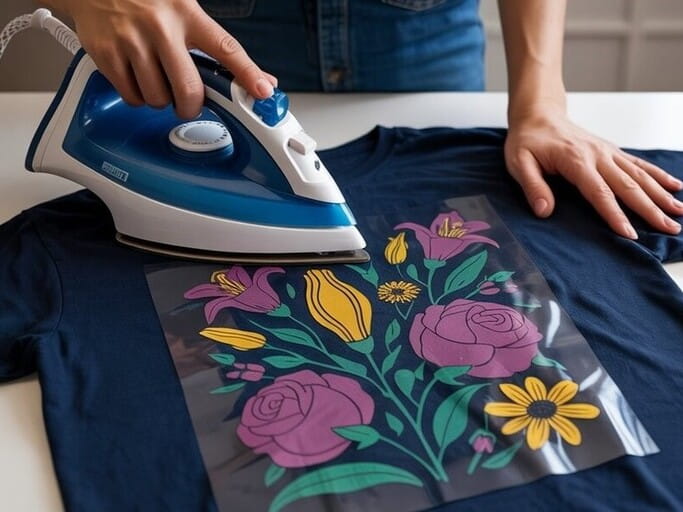
Working with DTF transfers will be easier once you understand how they are made, as well as where and how they are actually used for.
1. What DTF Transfers Are
DTF transfers (direct-to-film transfers or iron-on transfers) are heat-applied printed films designed for use on fabric-based items.
The design is first printed onto a special film, creating a printed transfer that is ready to be used anytime. Then, when the time comes, it will be transferred onto the surface of a garment using heat.
While traditional printing is printing directly onto the fabric, DTF transfers allow your design to move from the film to the material. This way, the process is more flexible for customizing any fabric items and for anytime you want.
2. How DTF Transfers Are Made
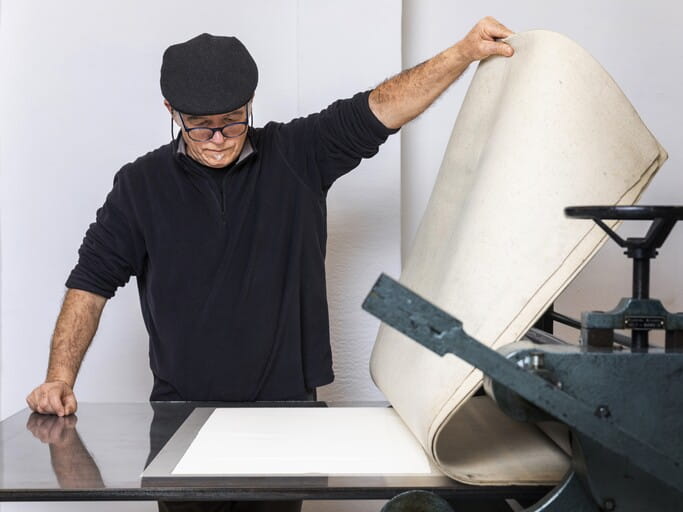
DTF transfers are made through these steps:
- The design is printed onto a PET transfer film using specialized DTF printers and usually pigment inks
- Then, adhesive powder is applied to the printed area while the ink is still wet, so the powder sticks only to the design
- The film is then cured using heat, usually with a curing oven or heat press, so the adhesive powder melts. After it cools down, an adhesive layer is created at the back of the printed layer.
When that DTF transfer is applied, heat will melt the adhesive layer again and pressure allows a bond between the printed design and the fabric surface.
3. What are DTF Transfers Used For
DTF transfers are commonly used for several types of fabric-based products:
- T-shirts
- Hoodies
- Tote bags
- Hats,…
They are suitable for various purposes:
- Personal use
- Gifts
- Events
- Small apparel brands
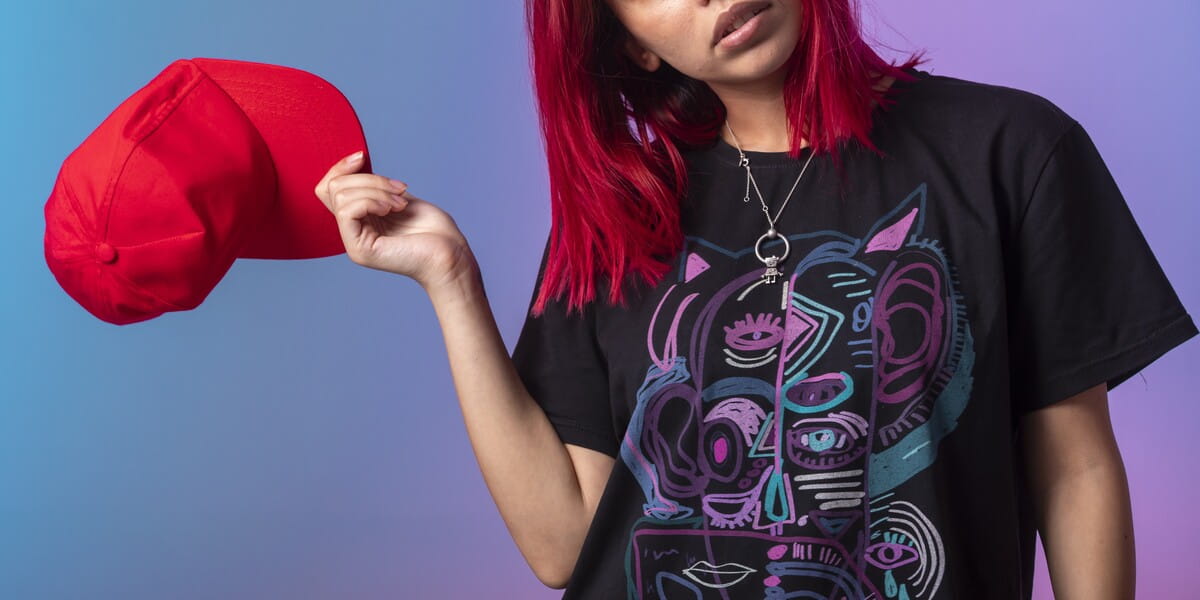
DTF transfers’ flexibility makes them a practical option for both individuals and small businesses working with custom apparel.
Why DTF is Ideal for At-home Use
DTF transfers work well for customization, especially when you want to do it at home, for several reasons:
1. No Printing Equipment Needed
Because DTF transfers are pre-print and ready to be used, there is no need for printers, inks, or complicated printing or production at home.
2. Full-color and High Detail
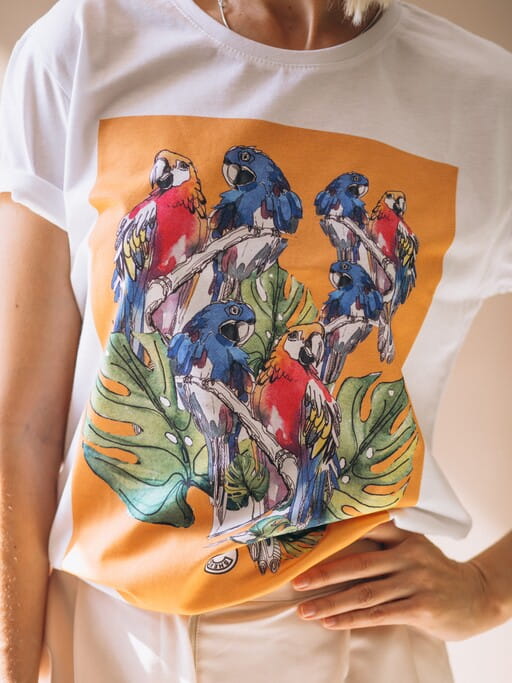
DTF transfers support complex designs just like direct printing methods. They can be made with designs of gradients, small text, and detailed artwork, so you have no limit to creativity compared to traditional methods of making apparel.
3. Works on Multiple Fabric Types
DTF transfers can be applied to various fabrics, from cotton, polyester, to blended fabrics. With one design, you can apply to different types of apparel, ideal for creating a custom combo made for you only or a special collection for selling.
Thus, DTF transfers work well in home or small business setups where you need a simple and flexible way to make custom apparel.
How to Make Custom Apparel at Home with DTF Transfers
Since DTF transfers are suitable for home use, you can apply them directly onto your apparel with a simple setup. Our guide below includes clear steps to help you keep the application accurate.
1. What you need
You only need a few basic items to start applying DTF transfers at home:
- Apparel item
- Pre-printed customized DTF transfers
- Iron or heat press
- Flat, heat-safe surface
- Parchment paper or Teflon sheet (optional but recommended)
2. Step-by-step guide to apply DTF transfers on apparel
When gathering all necessary things for applying DTF transfers, you just need to follow these 4 simple steps:
Step 1: Prepare the garment
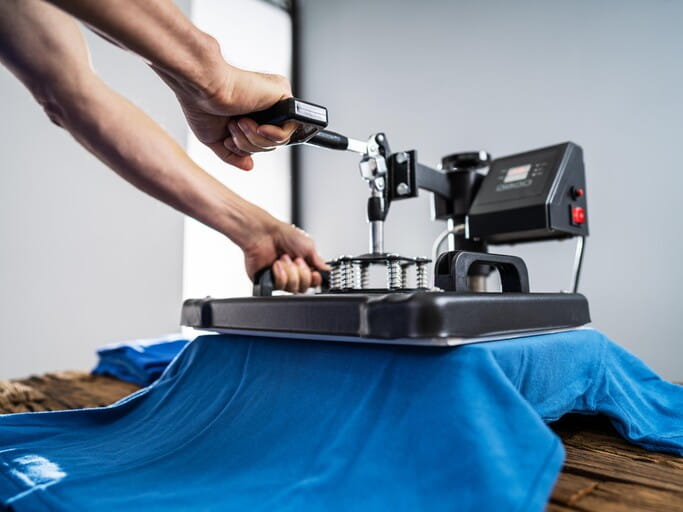
Iron or heat press your garment first to make sure the applying surface stays flat, dry, and wrinkle-free. This step allows the transfer to attach evenly. Any moisture or uneven area can affect how well the design bonds with the fabric.
Step 2: Position the design
Next, you need to align the design on where you want it to appear.
For example, common placement of printed designs on a shirt is at the center, on the chest or on the back. You can use a specialized measure or simply fold your shirt to mark the exact position.
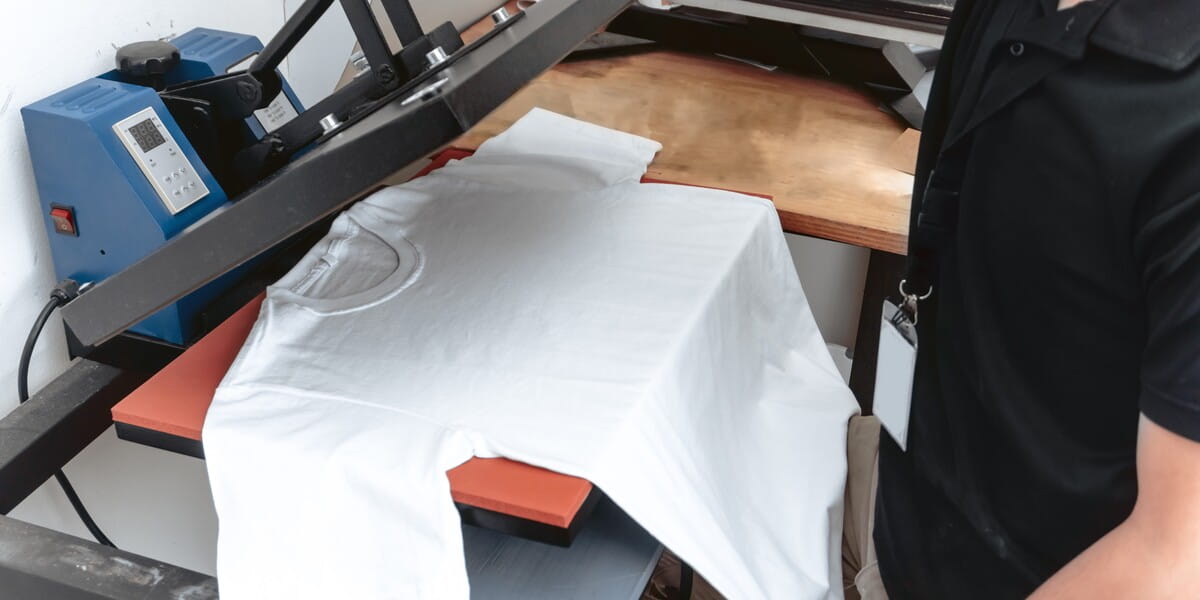
Step 3: Apply heat
After positioning your DTF transfers, you should place a layer of parchment paper or a Teflon sheet over the transfer to protect both the design and the fabric before applying heat.
Then, set the correct temperature and time on your iron or heat press, and apply even pressure on the whole surface of your DTF transfer. This way, the adhesive layer is activated properly across the whole design.
Note that the heat and time settings need to follow the instructions provided by your DTF transfer supplier to ensure your design adheres to the apparel properly.
Step 4: Peel and finish
Remove the parchment paper or Teflon sheet, and wait a few seconds for the design to cool down and the adhesive set on the fabric surface. Then, remove the film layer so only your printed design is left on the apparel.
Lastly, place the parchment paper or Teflon sheet all over the printed area again and apply a second press. This press ensures your design is firmly attached and improves its durability once your apparel is used.
After this simple applying process, your custom apparel is ready, whether it is for your daily wearing or for selling.
Tips for better results
There are a few small adjustments when applying or using DTF transfers to ensure it looks cleaner and lasts longer.
1. Avoid seams and uneven areas
DTF transfers work best on flat surfaces which allow even pressure for the applying process. Applying on uneven areas like seams, zippers, or thick edges can lead to incomplete bonding or visible defects.
You should avoid these areas or check with your DTF transfer supplier to make sure your placement still gives a reliable result.
2. Use correct heat settings
The temperature and time settings while applying DTF transfers are very important to how well the result turns out.
Too much heat can make the design surface scorched and colors to fade. It also results in melted edges or melted small details. Too little heat often leads to weak bonding, where parts of the design may lift, peel, or crack right after application or after a short time of being used.
The easiest way to ensure a good result is to use the exact recommended settings in the instructions from your DTF transfer supplier. Besides, always make sure that the whole design is blended seamlessly and completely to the fabric surface at the end of the applying process.
3. Test before bulk application
Another tip of using DTF transfers to make custom apparel at home is always test a piece before working on multiple items.
This way, you can check how the design actually transfers onto your fabric. You can see if the position looks right, whether the heat settings create a clean finish, and if the adhesive bonds fully without lifting at the edges.
Where to Print DTF Transfers for Homemade Apparel
Finding a reliable way or place to print your DTF transfers makes a noticeable difference in how your final apparel turns out.
1. Why printing quality matters
Printing quality is what decides the final result after you press DTF transfers onto your apparel.
- Printing’s sharpness show how clear small details and edges look
- Color accuracy when printing DTF transfers decides where the result match your original design
- Printing durability ensure your final prints last during use and after washing
Poorly made transfers can lead to big issues like dull colors, blurry details, or designs that crack and peel over time.
2. What to look for
Only use DTF transfers that have:
- High-resolution printing for clear and detailed designs
- Accurate color output to match your original files
- Strong adhesive backing for better bonding on fabric
Additionally, you should look for suppliers that offer:
- Fast turnaround if you handle orders regularly
- Easy file upload so you can manage designs without complications
- Design supporting as well as experience in DTF transfers production
3. Print your DTF transfers with us
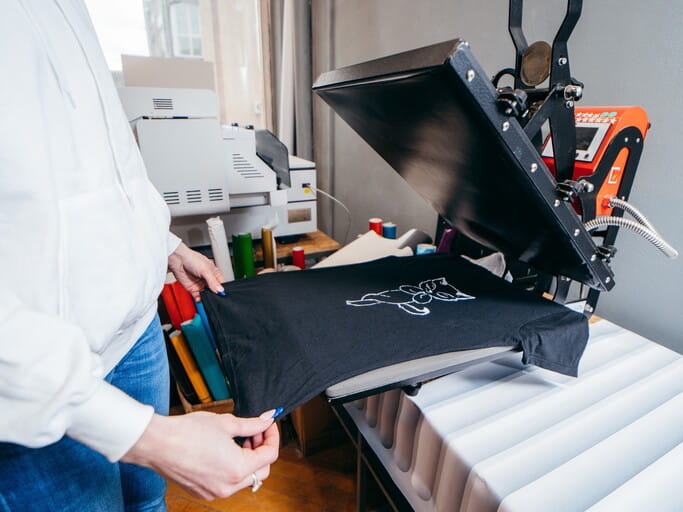
Among printing houses that offer DTF transfers, you can try working with us.
Our printing service provides full-color, high-detail DTF transfers that work well across different types of apparel. You can expect consistent print quality, so your designs stay sharp and colors remain accurate.
At CustomAny, durability also stays a priority, with adhesive layers that bond properly when applied with the correct heat settings. Besides, our quick production and shipping make sure your workflow is stable, especially when you handle multiple orders or need to restock designs regularly.
Conclusion
After exploring DTF transfers, including what they are, how they are made and used, to comprehensive steps to apply in practice, now it’s clearer for you to start making your custom apparel at home. We hope that our guide makes your process of using these iron-ons easier, with fewer mistakes and more consistent results.
If you want to test your designs and see how those DTF transfers turn out, go to our product page here to get started. Our printing service will support you with reliable DTF transfers so your final apparel looks clean and holds up well over time.