Blog
Label Sizing for Curved Surfaces & Irregular Containers Correctly (3 Steps)


Label sizing for curved surfaces requires a more thoughtful approach when working with bottles, jars, and uniquely shaped packaging as curves, angles, and uneven areas all change how a label is applied.
Let’s explore our 3 practical steps that help you size labels more effectively for a wide range of curved and irregular containers! By understanding a few key tips, you can avoid common fitting issues and improve consistency across your products.
Why Label Sizing for Curved Surfaces Matters
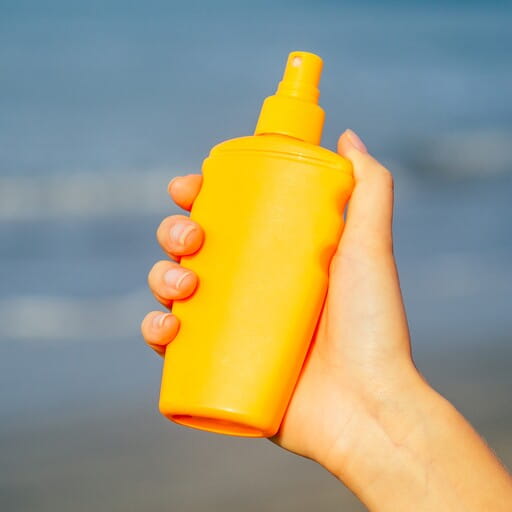
When you put a label on a curved or uneven surface, it does not behave the same way as on a flat one. An incorrect size may quickly turn into wrinkles, lifting edges, or a design that looks off-center.
- Curved and irregular containers require unique label shapes and sizes, so a standard label size does not always work.
- Curved surfaces can easily distort labels because the material has to stretch or compress to conform to the shape.
- When label sizing for curved surfaces is not considered, the label might become too large, leading to folding or creasing.
Understanding how to measure a label correctly also helps reduce material waste and improve the final look of the product. That is why it is important to pay attention to label sizing from the beginning.
3 Steps to Sizing Labels for Curved & Irregular Surfaces
Now you know that curved and irregular surfaces require more thoughtful sizing, and a step-by-step approach can make the process easier. Here are 3 simple steps to guide effective label sizing for curved surfaces:
1. Decide Where the Label Will Be Placed
The placement of a label plays an important role in label sizing for curved surfaces.
Each position on a container has a different level of curvature, and this difference directly affects label sizing for curved surfaces. For example, the middle of a bottle may be more stable, while the top or bottom may curve more sharply.
When you decide the position first, you make it easier to plan how to size labels accurately.
2. Choose a Suitable Label Shape Based
Different label shapes require different approaches for effective label sizing for curved surfaces. To select the right label format, you need to consider the container shape.
Round Containers (cylindrical)
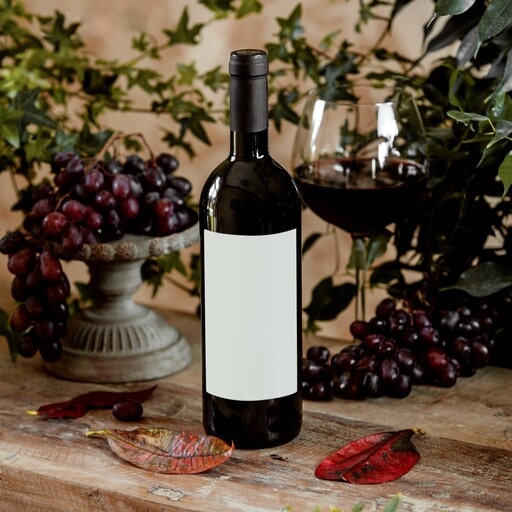
Round containers have a continuous curved surface. For this type of container, wrap-style labels are commonly used because they follow the natural curve.
You can choose a full wrap or a partial wrap.
- Full wrap: use a label that wraps almost all the way around the bottle. The label should cover about 80–90% of the measured circumference to prevent overlap and allow easier application.
- Partial wrap: A partial wrap label covers only part of the surface. This gives more flexibility and reduces the risk of wrinkles, especially for smaller bottles or designs that must align precisely.
Tapered Containers
These containers have different top and bottom widths, so standard rectangular labels often do not fit well. A tall label may wrinkle or shift during application.
You should use a trapezoid-shaped label that follows the container form, or you should use a shorter rectangle label placed on the most stable area. This choice improves label sizing for curved surfaces and reduces distortion.
Containers with Multiple Flat Faces (square, hexagon, etc.)
For containers with multiple flat faces, you can apply one label per face, which makes alignment easier and reduces errors. This option works well when you do not need a continuous wrap-around design.
On the other hand, you can also wrap a label across multiple faces, but this method requires precise measurement of each side and corner. If you measure incorrectly, the label may become misaligned or fail to match properly across surfaces.
3. Measure Based on Your Wrap Choice
After choosing placement and shape, you need to measure your label correctly.
For full wrap
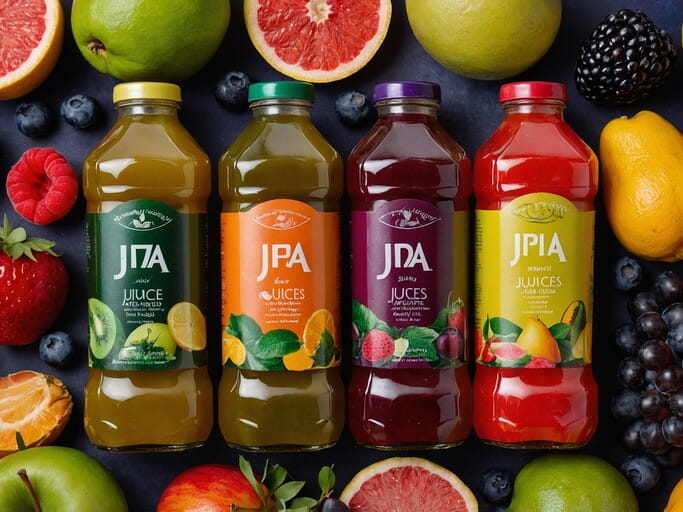
For this wrap style, a simple way to measure is by wrapping a piece of paper or string around the container at the chosen position, then marking where the ends meet. However, it is better to leave a small gap to prevent overlap and make the application easier.
For partial wrap
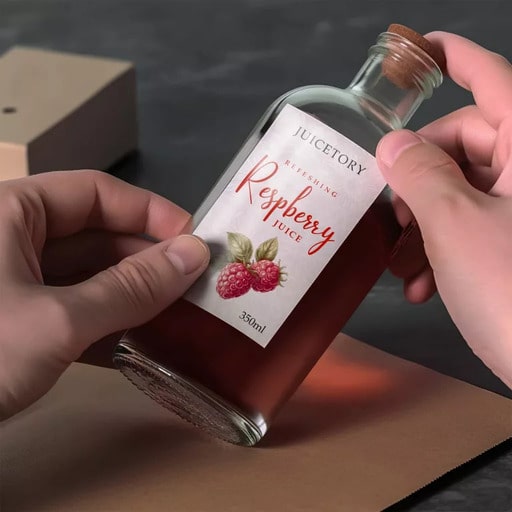
With this method, you do not need to measure the full circumference but just wrap paper around the container and cut it to the desired width. On more curved surfaces, a smaller label area is a wise choice to avoid wrinkles.
Practical Tips for Labeling Curved & Irregular Surfaces
When label sizing for curved surfaces, consider these 2 key factors for a perfect result:
1. Material
Material selection directly affects how a label adapts to curves and uneven shapes. A curved surface creates tension when a flat label is applied, so the material must be flexible enough to handle that stress.
When your container has a strong curve or requires a full wrap, vinyl is an excellent option because it is flexible and can stretch slightly without wrinkling.
A vinyl or BOPP label can follow the shape of a bottle or jar more naturally, which helps maintain a smooth finish.
Additionally, paper labels can still work well in certain cases. If the label is applied to a small, relatively flat area, paper can provide a clean and cost-effective solution.
Choosing the right material supports better label sizing for curved surfaces and brings more reliable results.
2. Application
Applying labels on curved and irregular surfaces requires more control, as they must be adhered evenly to the container shape. For example:
For round containers
The label should be applied starting from one edge and pressed gradually around the body. In this way, you can control alignment and reduce the chance of air bubbles forming under the surface.
For tapered containers
The process should begin at the widest part of the surface. From that point, the label can be pressed upward or downward to reduce tension differences between the top and bottom. This prevents wrinkles during application.
For flat-sided containers (square, hex, etc.)
With these container types, it’s advisable to align the label with one edge or corner first. This approach keeps the label straight and consistent across each face.
For irregular shapes
For irregular shapes, you should always choose a fixed reference point before applying the label to ensure that every label is placed in the same position.
Find a Professional Printing Service for Your Sticker Designs
Together we’ve explored how curved and irregular surfaces affect label performance and how to choose the right sizing, material, and application for such surfaces. Now you can make labels with confidence, reducing common issues like distortion, folding, or misalignment, thus improving the look of your final labels.
Another important key of ensuring label quality and supporting more accurate label sizing is working with a reliable printing service. So, when you print with us, you get full flexibility in custom shape and size, so every sticker fits your design and packaging perfectly.
CustomAny also focuses on high-quality materials and precise printing to ensure clean details and long-lasting results. With our support, label sizing for curved surfaces becomes easier, and your stickers stand out in a more professional way.