Blog
Food and Beverage Labels: 6 Tips to Create Them Correctly

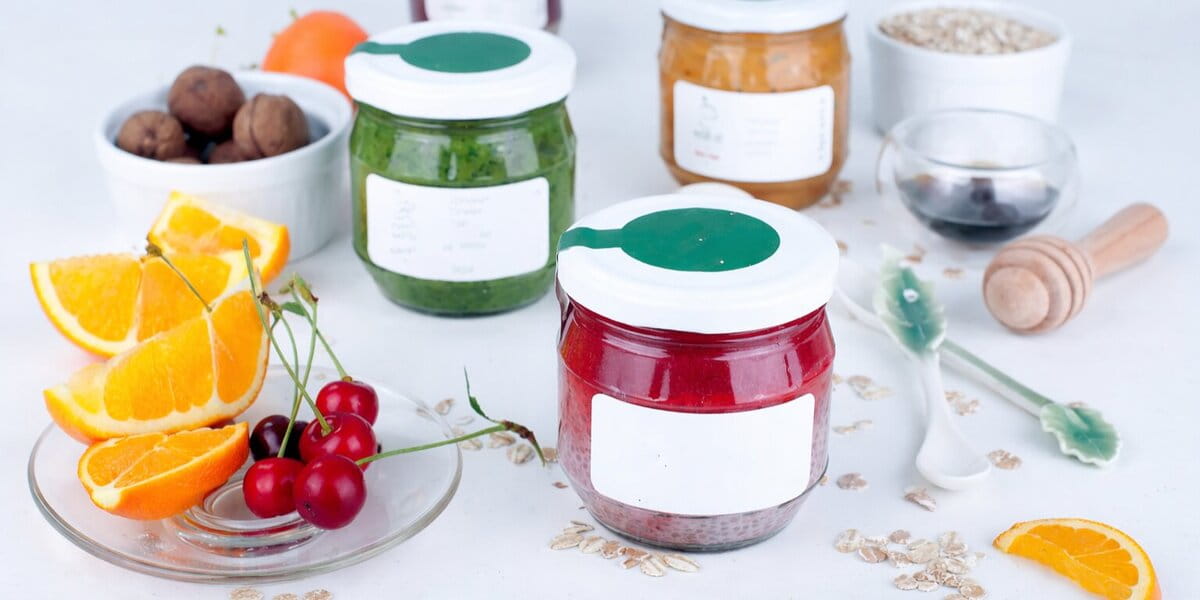
Food and beverage labels differ from many other product labels because they may come into direct or indirect contact with food and drinks, which raises expectations around safety, clarity, and trust. That’s why how to create them correctly becomes important for those who are planning on packaging their products.
In our guide, we focus on why food and beverage labels are different from labels used for other products. With that understanding, we can break down the 6 key factors you need to consider to create them correctly, so you can design food and beverage labels that work.
Why Food and Drink Labels Are Different from Other Labels
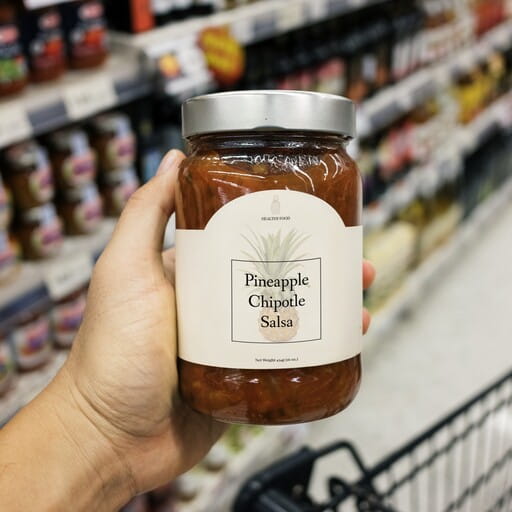
Being used under different conditions compared to most other products, food and beverage labels have specific requirements:
Resistance Needs
Food and beverage labels often face harsher conditions than labels used for many other products. Specifically, your food and beverage labels can be exposed to:
- Temperature changes (e.g. from room storage to refrigeration and freezer)
- Moisture and condensation, especially when your products are stored chilled or in frozen packaging
- Oils or acids from your food or drink contents during filling, handling, or use
These factors may cause food and drink labels to develop peeling edges, wrinkling, or fading. Therefore, labels for these products require the right materials to help them withstand such exposures.
Material Safety
Labels on the container may contact the products inside. For food and drink, that product is what people consume, so material safety stays non-negotiable. F&B labels require special attention to these elements:
- Inks: Inks used for printing food and drink labels must be food-safe. They should be low-migration inks to prevent chemical transfer through the packaging.
- Adhesives: Food and drink labels need adhesive with specialized formulations designed for reducing the risk of contamination during storage and handling
By choosing inks and adhesives made for food applications, you keep food and beverage labels aligned with safety expectations.
Space Constraints
Compared to most other products, food and beverage need a larger amount of mandatory information. Their labels require enough space for this information to fit in while maintaining brand visibility. Enough space allows your food and drink labels to present clear information and show a strong brand image.
Appetite Appeal
For food and beverage products, visual appeal is one of the most important factors that affects customer buying decisions. F&B labels need to make the food look fresh, tasty, and worth trying at first glance. They gain it through:
- Colors
- Textures & finishes
- Imagery
- Print quality
Practical Tips for Food & Beverage Labels
So, creating food and beverage labels correctly means balancing appetite appeal, durability, food safety, clear information, and brand impact. 6 practical tips below will help you throughout the process of creating the right F&B labels.
1. Choose the Right Material
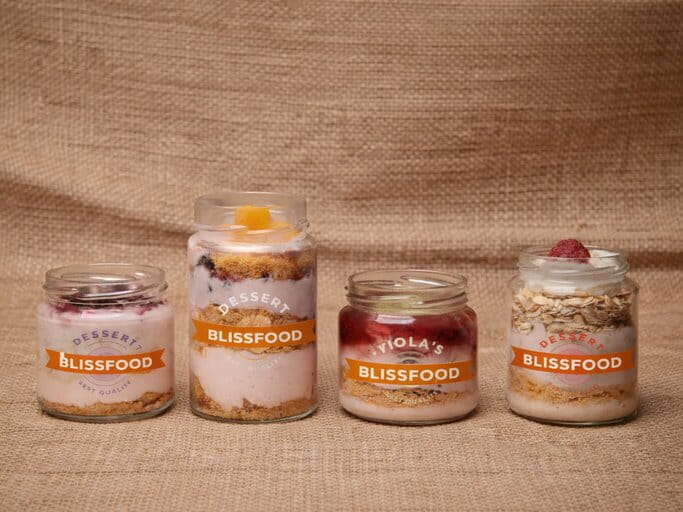
First of all, food and beverage labels need materials that can handle their unique usage conditions. You should use materials that offer:
- Heat-resistant adhesives which are designed for temperature change, so your product labels stay in place during transport or under usage conditions.
- Weatherproof & oil-resistant surfaces to reduce the impact of moisture, condensation, or oils on the label, keeping it readable and intact.
- Durable facestock to withstand handling during packing and distribution without tearing or wrinkling.
2. Ensure Food Safety Compliance
Food and beverage labels must meet strict safety standards because they may contact indirectly or directly with the consumable products:
- Inks need to be FDA-approved so they don’t migrate through packaging or affect the contents.
- Adhesives must remain food-safe and stable when exposed to temperature changes, moisture or chemical from the food and drink contents.
- Base materials must not degrade or release chemicals under heat or freezing conditions
Once your food and drink labels are made using compliant inks, adhesives, and other materials, you also need to add a visible certification or seal such as “Food Safe” so your buyers are reassured that your packaging follows proper safety standards.
3. Present Clear Information
Your food and beverage labels must show essential information while remaining easy to read. Specifically, your label needs to include:
- Ingredients
- Nutrition facts
- Allergen information
- Net weight or volume
- Expiration date
- Usage instructions
- Storage instructions
- Manufacturer or distributor details
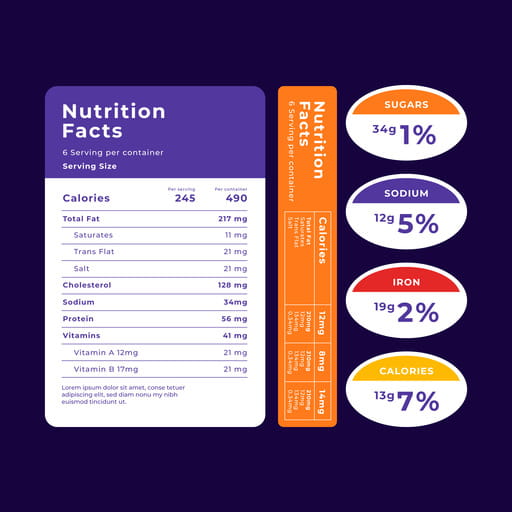
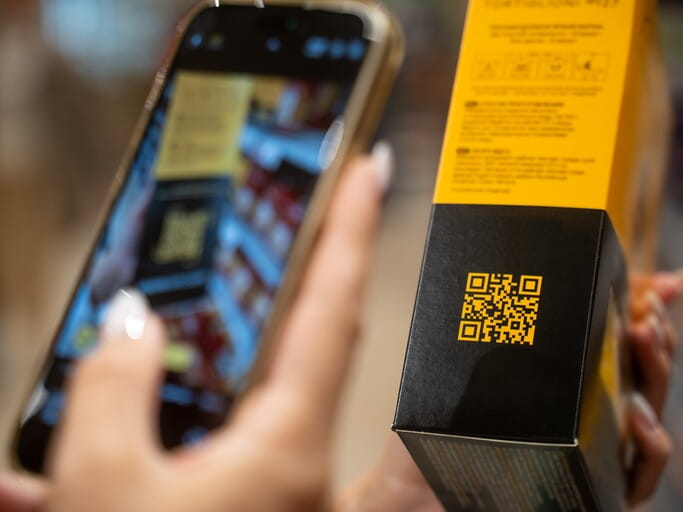
When presenting such information, we recommend using icons or bold text to communicate faster. Besides, taking advantage of QR codes so you can keep the label clean while still giving customers access to extended details such as ingredient sourcing, recipes, or additional product information.
4. Design for Appetite Appealing and Brand Impact
Label design helps not only to make your food and beverage look more appealing but also helps your brand stand out and be easier to recognize. It must include a clear logo placement, consistent brand colors, unique fonts and a reasonable layout.
For a broader design foundation, you can also refer to: “How to design a perfect product label: 5-step guide for beginners“
Besides, labels’ shape, colors and fonts should consistently work together:
Shapes:
Label shapes that support your packaging and help your product stand out on the shelf. Beyond standard rectangles, unique label shapes can add visual interest, for example:
- Oval labels for a softer, handcrafted feel
- Wrap-around labels for bottles and jars to create a continuous brand story
Related read: “How to Choose the Right Label Shapes for Your Products? 5 Common Shapes Explained“
Colors:
Use colors that reflect your brand and product type (e.g.: natural tones for honey, bold colors for juices). Color choices influence the appetite and perceived quality your product shows. Besides, consistent color usage across your labels also strengthens brand recognition.
For more details on choosing the right color pallette, you may want to read a related blog: Choose your perfect label colors: 3 things you should know
Fonts:
Use fonts that match your brand’s personality, whether that’s playful, premium, or minimal.
Our detailed guide: “45+ great label font suggestions to match your brand’s personality“
5. Leverage Smart Technology
Smart features for food and beverage labels that you should try:.
- QR codes that link you to recipes, ingredient sourcing, nutrition breakdowns, or brand stories. For food and beverage labels, this keeps the physical design clean while still giving you access to deeper information when you want it.
- NFC tags support interactive experiences, such as authenticity checks or loyalty programs, with a quick tap. This works well for premium or specialty products where trust and engagement matter.
6. Test Durability Before Mass Production
Before a large print run, testing allows you to see how your food and beverage labels behave in real application, under handling, storage, or transport conditions.
Check if the adhesive holds and the print stays clear under use conditions:
- Refrigeration and freezing
- Heat exposure
- Contact with oil or condensation
These checks help you confirm that your labels stay readable and intact from production to purchase, helping you avoid wrong labels, reprints or complaints from customers.
Ready to Stand Out on the Shelf?
After learning how food and beverage labels differ from other product labels, you now can tell what a label needs to support the product inside. With 6 tips we’ve learned in this blog, we hope that you can also make the right label decisions that support both your product and your brand.
So, if you’re ready to turn those insights into labels that actually work in real life, consider printing with us. At CustomAny, we print food and beverage sticker labels that are built to last. We are eager to work closely with you to help you find the materials, finishes, and formats that fit your needs. So don’t hesitate to click here to start creating!