Blog
White Opaque Labels: What They Are and 5 Smart Uses as Block Out Labels


White opaque labels are labels with a white, opaque base, commonly used where clear readability, color consistency, or surface coverage are required. However, you may not be aware of other smart uses of this very common label type. White opaque labels can also help correct mistakes, hide unwanted information, and replace existing details in specific situations. In those cases, they function as block out labels.
As these uses are practical for businesses, in this article, we will discover about white opaque labels and how to recognize them in general. Moreover, we will learn how to take advantage of these labels when using them as block out labels in an effective way. Let’s get started.
What Are White Opaque Labels?

White opaque labels are labels printed on a white, opaque substrate. They usually appear where readability matters because the substrate can block what sits underneath. The white base reduces the chance of colors, text, or patterns from the container showing through, so what you print on labels stays clear and consistent.
To understand white opaque labels, let’s take a look at how labels are classified by transparency:
- Clear labels: These labels are made from transparent materials, so anything underneath clearly shows through the label. Hence, readability and color of clear label stickers can change depending on the surface.
- Opaque labels: By contrast, they are made from non-transparent substrates, offering consistent coverage on where they are applied to. These labels can be made from different non-transparent materials and available in different colors.
- White opaque labels: These are a common type of opaque label, which uses a solid white substrate that blocks what’s underneath. This label type gives you stable colors and clear text.
Benefits of White Opaque Label
As part of the opaque label category, white opaque labels are commonly used because they offer several practical benefits:
Color Accuracy
Their opaque substrate prevents colors or patterns of the container from affecting your label appearance. Besides, the white base acts as an ideal background for printed colors being stable and vibrant.
Versatility
Labels with white substrate also contribute to the consistent output, so text, artwork, logo and brand colors remain the same across different types of label application. They work across many packaging without adjustment:
- Plastic, glass, metal, and paper packaging
- Light, dark, or patterned surfaces
- Products with changing packaging colors
Clear & Professional Presentation
This label type supports clean information display. Mandatory details such as ingredients, nutrition facts, warnings, and usage instructions remain easy to read and visually organized. That clarity helps your product look professionally made.
Cost-Effective
Compared to specialty options such as metallic or colored substrates, white opaque labels are generally more affordable. Besides, white material is also easier and cheaper to print because it does not require an extra white ink layer to build clarity like clear labels.
Their simpler print process helps reduce production costs while still delivering reliable results.
Overall, white opaque labels balance clarity, flexibility, and cost, making them a practical choice for our packaging needs.
When to Use White Opaque Labels
White opaque labels work many cases, including:
- Products that require clear information: On product packaging which requires clear labels with ingredients, nutrition facts, warnings, or usage instructions, an white opaque base allows easy reading.
- When accuracy matters for data: Data like barcodes, QR codes, batch numbers need to be exact easy to scan, so a solid white base is recommended for showcasing them.
- Dark or complex packaging surfaces: If your packaging color is in dark shade or your label design is complex, white opaque labels act as a reliable base for information to stay visible and consistent.
- When brand colors need emphasis: A white base helps brand colors appear as intended. Logos and key visuals look closer to your original design, regardless of the container color.
- Cost-sensitive applications: Generally, white opaque labels provide consistent results with a more affordable cost compared to other types. They also reduce the possibility of mistakes that may happen in the printing and handling process of your labels.
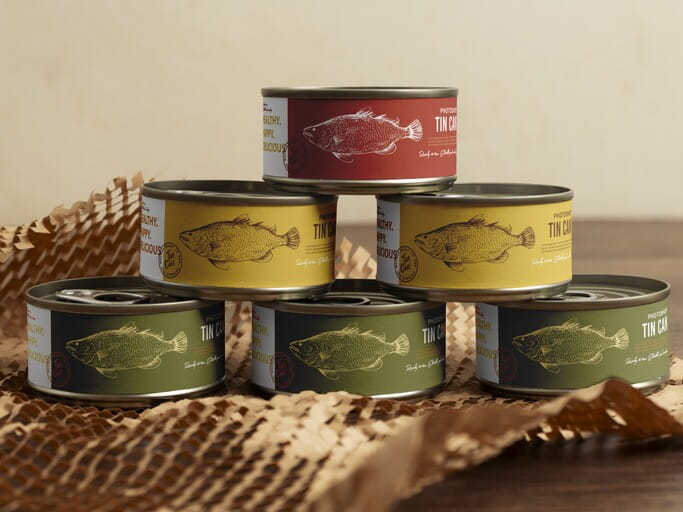
5 Smart Use of White Opaque Labels as Block Out Labels
Labels with white substrate have many practical and effective uses that you often see. However, they can also be used in some smarter ways. One of them is using white opaque labels as block out labels, which brings convenience and benefits to businesses when it comes to product labeling.
What are Block out Labels?
First, let’s see what block out labels are. These labels are not ordinary white opaque labels which have a non-transparent white substrate, they are a label type specialized designed to fully cover what is underneath:
- Thicker label materials
- High-opacity layers
- Coatings that prevent light and color from passing through
Because of this construction, block out labels provide full coverage and stop any text, graphics, or colors beneath from showing through. This makes them suitable for situations where existing information needs to be hidden before applying new content, such as correcting errors or covering old labels.
5 Smart Uses of White Opaque Labels as Block out Labels
The 5 following uses are the practical situations where high-quality white opaque labels can be used smartly as block out labels, helping you cover existing content or apply new information cleanly:
1. Cover Sensitive Information
These labels can be used to cover some details on existing labels. Typical cases include:
- Old barcodes
- Outdated prices
- Product information that needs updated
2. Fix Printing Errors Without Discarding the Entire Batch
When printing mistakes happen, especially with large production runs, you can take advantage of white opaque labels. They allow you to correct errors by covering the incorrect area and adding correct information instead of reprinting all packaging.
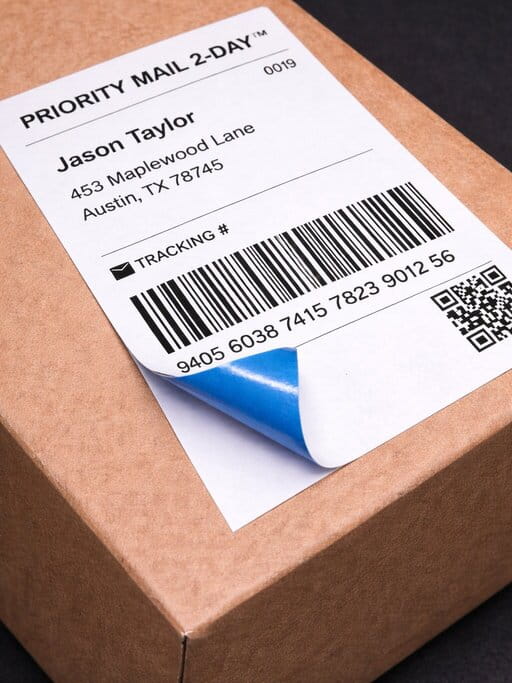
This approach helps you:
- Save production time
- Reduce material waste
- Control relabeling costs
3. Adapt Language or Product Version for Different Markets
Products sold across regions often require changes in language, measurements, or regulatory text. White opaque labels make these adjustments easier by covering the original information and replacing it with localized content.
You can update:
- Product description
- Ingredients or compliance notes
- Market-specific instructions
This flexibility allows you to reuse the same base packaging across multiple markets.
4. Temporary Promotions
White opaque labels also support short-term campaigns like seasonal discount or promotional messaging where information changes for a limited time.

5. Limited Edition Packaging
Limited editions often require special graphics or messaging without committing to full packaging reprints. They let you create these variations by covering selected areas only.
This method allows you to test new ideas, highlight special releases, or run small batches while keeping production efficient.
Benefits of Using White Opaque Labels as block out labels
Using these labels as block out labels brings operational advantages when you need to update, correct, or replace information on existing packaging.
1. Faster turnaround
White opaque labels allow you to act quickly to changes. You can fix errors, update details, or add new information without waiting for a full reprint. This speed matters when products are already in stock or ready for distribution.
2. Lower production costs
Instead of discarding packaging or reprinting entire batches, you only replace what needs to change. This solution is far more affordable and easier to source.
3. Reduced material waste
Covering existing content extends the usable life of your packaging. This way, you minimize waste from replacing the old labels with reprints, which supports both cost savings and more sustainable operations.
Conclusion
White opaque labels are a common and result-consistent label type. However, once understanding how they work, and what they do best, we can see that they also effectively support us in fixing labels or updating your product information. So, use them smartly to gain more control over your product labels, reduce waste, and keep packaging consistent.
If you plan to print opaque labels for your products, remember that our printing service supports you from design to application. We also accompany you with material choice, designing support and accurate printing to ensure your labels work as expected in real use. So don’t hesitate to print with us here, or connect with us via [email protected].