Blog
How to Make a Professional Tamper Evident Seal in 5 Simple Steps

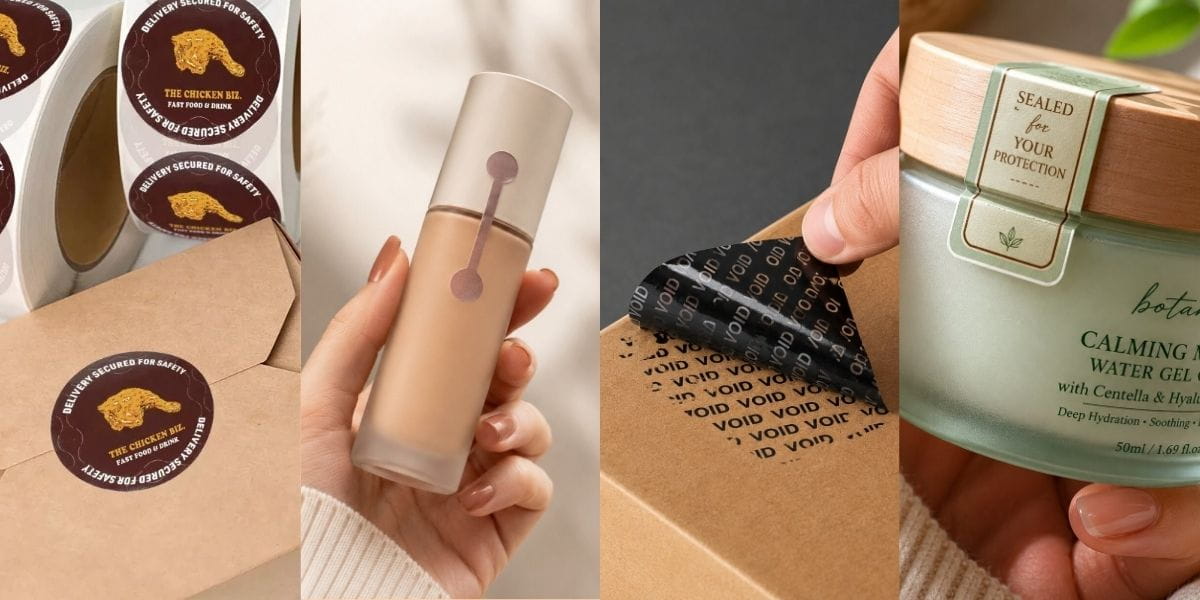
A tamper evident seal is a special type of label for products. These labels are used as clear proof of sealing and quality protection. Because a tamper evident seal serves a functional label, understanding how to create those that actually work is important for businesses of all sizes.
For that reason, CustomAny has prepared a guide about tamper evident seal design with 5 simple steps. You will start from learning about these seals, then designing and creating them, leading to a professional final result.
About Tamper Evident Seals
In our previous article “5 Things You Need to Know Before Buying Tamper Proof Labels“, we’ve explored general information about tamper proof labels, but let’s review it again:
A tamper evident seal acts as a proof of a package staying closed after production. This sealing can work by several different ways:
- The seal tears when the package is opened
- The adhesive leaves marks after removal
- A hidden message appears after peeling
- The label breaks along a cut line
As any attempt to open it leaves visible damage on the label, a tamper evident seal appears on different types of product and packaging:
- Food containers and beverage bottles
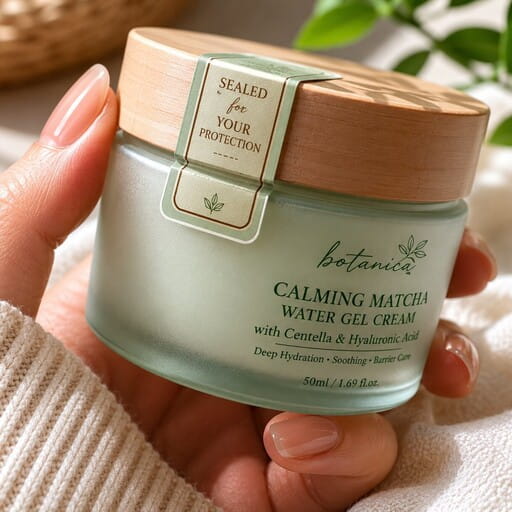
- Cosmetic jars and skincare packaging
- Supplement bottles
- Shipping boxes and retail cartons
- Bags with sealed seams,…
5 Steps to Create a Tamper Evident Seal
When it comes to creating tamper evident seals, there are some differences to ensure it not only functions well but also looks related to the brand. Our following guide will show you 5 simple steps to attain professional tamper evident seals.
1. Identify Where Your Seal Label Should Be Placed
Functioning as a visual proof of being sealed, where to put a seal label is the first thing you must consider. It can appear in several positions because each product uses a different type of packaging. However, the seal position is usually on the opening part of the package to ensure any attempt to open the product will break the seal and show clear evidence.
Common placement for a tamper evident seal includes:
- Bottle caps: The seal often runs across the cap and the neck, which makes the seal tear as soon as the bottle is opened.
- Box edges: Carton packaging often uses a tamper evident seal across the flap.
- Jar lids: A tamper evident seal placed from lid to container keeps the opening point visible.
- Bag seams: Bags need to be sealed over the edge to keep food, supplements, or small parts protected.
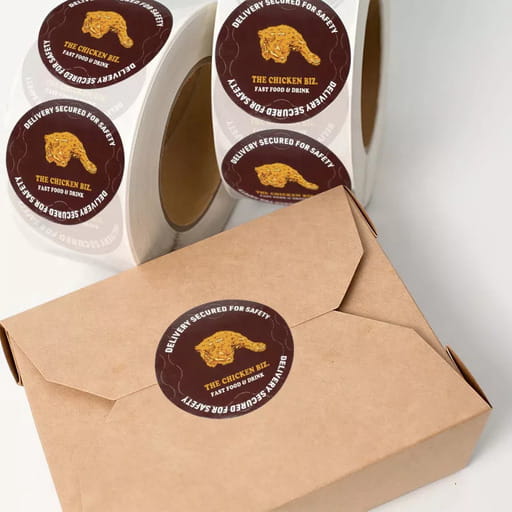
So, determining where you will put the seal depends on the type of the container for your products.
2. Choose the Right Type of Tamper-Evident Material
There are several types of tamper evident seal being used, each leads to a different way of how the seal breaks and how clearly the change appears after the package is opened. This choice also depends on the container on which you put the seal label:
- Narrow strip labels are usually placed across lids, caps, or sealed edges of jar, bag, etc. A tamper evident seal in this form tears easily when the container opens.
- Safety tabs often appear as small extensions attached to a label or cap area, best suit for sealing point such as on lip balm packaging. Its tab breaks along a cut line when the container is opened.
- Void labels use special adhesive that leaves a hidden message or pattern after removal. This seal shows visible marks once someone tries to peel it off, ideal for products that need stronger protection.
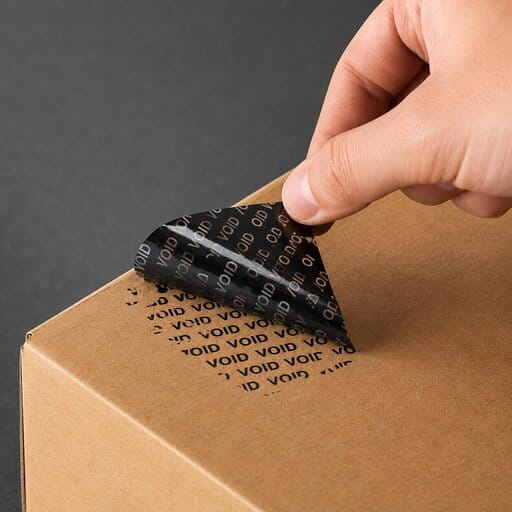
3. Design the Seal
Even though a tamper evident seal is usually small, it must not and should never stay empty because the printed content not only acts as the evident but also helps build your brand image.
Important elements often included on a tamper evident seal:
- Brand name or logo
- Warning message
- Instructional text (if needed)
- Security pattern or repeated text
- Batch code / date (optional)
Whether what content you put on the seal, its size needs to stay within the sealing area in a clear and thoughtful way to keep the text readable and functioning well after application. Besides, high-contrast colors make the content stand out, especially on small seal areas.
4. Size and Shape the Seal Correctly
Shape and size also play an important role when you create a tamper evident seal, because the seal must fit the package opening and still break in a clear way after use.
Common shapes for a tamper evident seal are:
Rectangle strips – Rectangle labels are one of the most common shapes. It works well across bottle caps, box edges, and bag seams because the strip can run over the opening line and tear naturally when the package is opened.
Circle seals – Circle labels often appear on paper bags, boxes or container tops. This shape works well across almost any type of packaging, including folded edges or flat openings.
Custom strips can follow curves, corners, or special opening structures. This option is often used when standard shapes do not fit the product design.
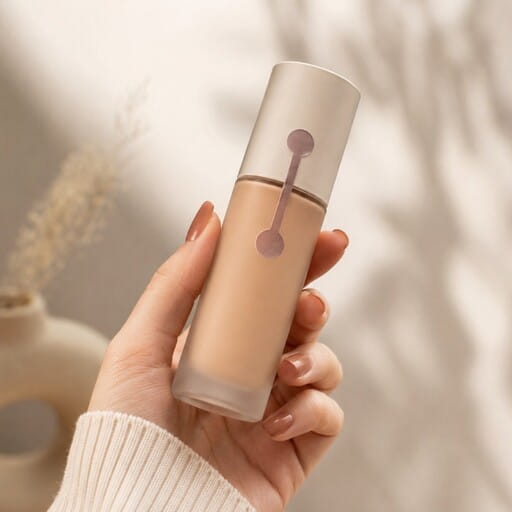
Besides, size of your seal labels also needs careful attention:
- The size must cover the seam or opening
- The length must be enough so the seal tears when the package opens
5. Print Tamper-Evident Seal Labels
After the layout, material, shape, and size are decided, the final step for a tamper evident seal comes to printing.
In fact, each type and material you choose for your seal may use a different printing method. Yet, if you choose to use ordinary printed seal labels, we provide printing service for making the best.
You can choose custom size, quantity, and layout so the tamper evident seal fits your packaging without extra trimming or adjustment. Our careful cutting, strong adhesive, and stable print quality help the tamper evident seal keep the same result for easy repeat orders.
So, if you want to explore more about our label products, click here to start creating.
Notes When Using Tamper Evident Seals
A tamper evident seal is a special type of label, so there are a few important notes to keep in mind when using it.
1. Apply the Seal Properly
Correct application helps a tamper evident seal stay attached, tear in the right place, and leave visible evidence after the package is opened.
For proper application:
- Make sure your package stays fully closed so your tamper evident seal can hold the correct position when applied
- Prepare a clean, dry surface so the adhesive can hold on better
- Place the seal label across the cap, lid, seam, or opening line to make sure your sale will work
- Pressing along the seal label to make it attached evenly
2. Test the Seal Before Large Batch Production
Before using a tamper evident seal in large quantities, testing on the real package helps confirm that the seal lasts under storage or transport and breaks correctly when it’s opened.
To test the seal, you should:
- Applying the tamper evident seal on the actual package you plan to use, making sure the seal size fits the sealing area without lifting at the edges
- Checking if the seal tears clearly after opening
- Confirming the adhesive stays strong after storage or shipping conditions
When tamper evident seals are used, the sealing function is the main purpose, so how you apply the seal and whether you test the seal label both need careful attention.
Last words
After going through these steps, you now have all the knowledge of how it should look, what it should contain and how to make sure it serves its purpose. So, it’s time to plan a professional tamper evident seal that actually works.
If you want to learn more about packaging labels, you can also read our other guides about product labels, custom stickers, and packaging seals. These articles explain different label types, materials, and printing options, so you can choose the right solution for your product and avoid common mistakes when designing labels.