Blog
Stop Guessing DTF Heat Press Settings: Temperature, Time & Pressure for 6 Fabrics

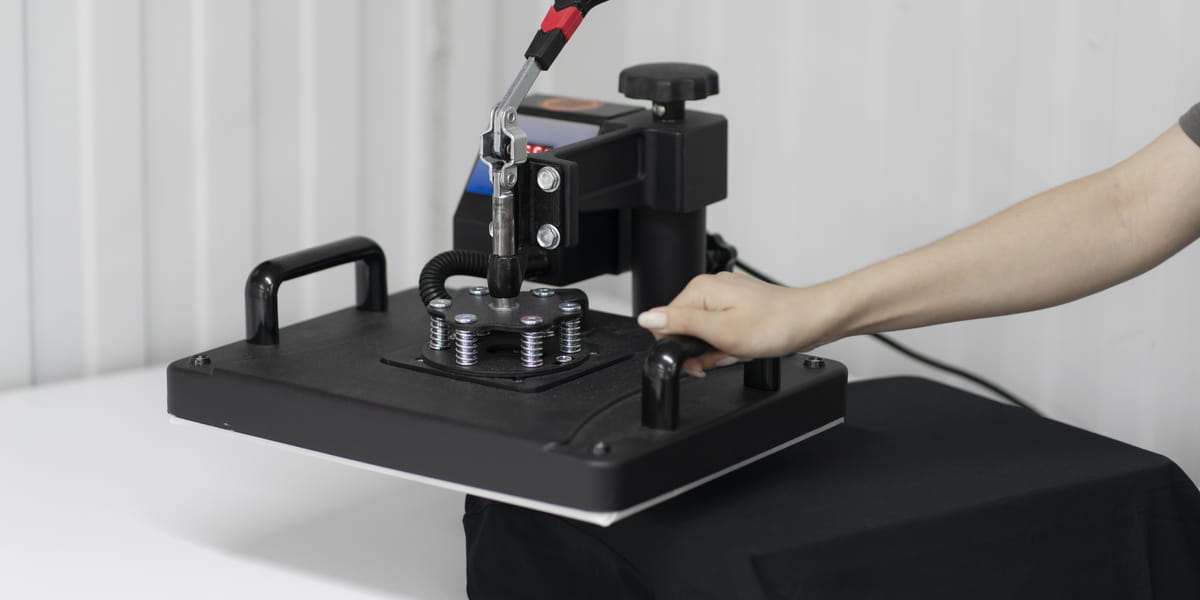
DTF heat press settings directly affect print quality, durability, and transfer adhesion of DTF transfers on different fabrics. However, different materials respond differently to your settings because fiber structure, thickness, and surface texture all influence how they transfer heat to the garment.
This article will help you understand 6 common fabric types. Then you will know how temperature, time, and pressure affect DTF applications across these fabrics. With the right settings for each material, you can improve transfer durability and achieve more consistent results.
About DTF Transfers and Heat Pressing
When talking about custom garment printing, DTF transfers and heat pressing are closely associated because both work together to apply designs efficiently onto fabrics.
What are DTF Transfers?
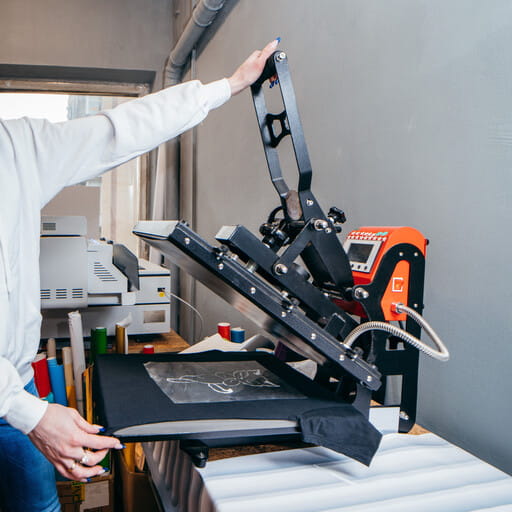
If you are asking “what are DTF transfers?”, they are printed designs that transfer onto garments through heat and pressure. Many people also call them iron-on transfers because the designs are applied to fabric using a heat press or iron.
Custom DTF transfers are widely used for t-shirts, hoodies, tote bags, and other products. Many people choose DTF transfers ready to press because they save time during production.
For more information about DTF transfers, where to buy DTF transfers, you can read our blog “Custom Iron On Transfers: What They Are & How to Use Them” for a detailed explanation.
What is Heat Pressing
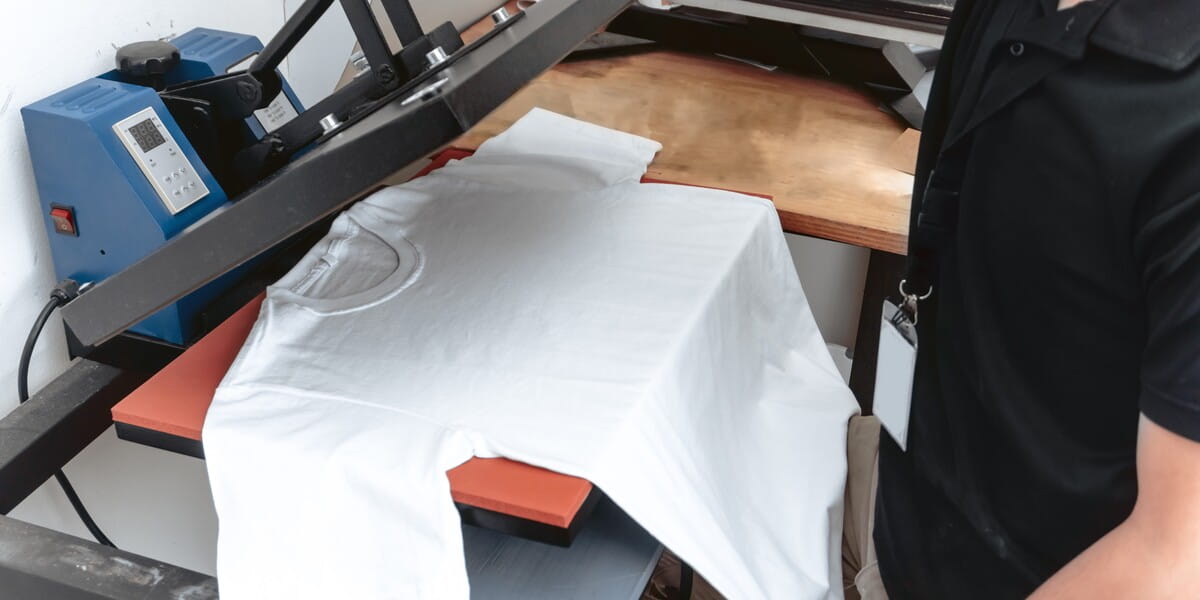
Heat pressing is the process of using a heat press machine to apply DTF transfers onto fabric. The machine combines temperature, pressing time, and pressure to secure the design onto the material.
Proper DTF heat press settings ensure sharp details, vibrant colors, and strong adhesion right after application. Therefore, this helps reduce the risk of peeling, cracking, or fading during regular use and washing.
If you need step-by-step instructions for using a heat press with DTF transfers, visit our article “How to Press DTF Transfers” for a complete guide to the application process.
About Heat Press Settings
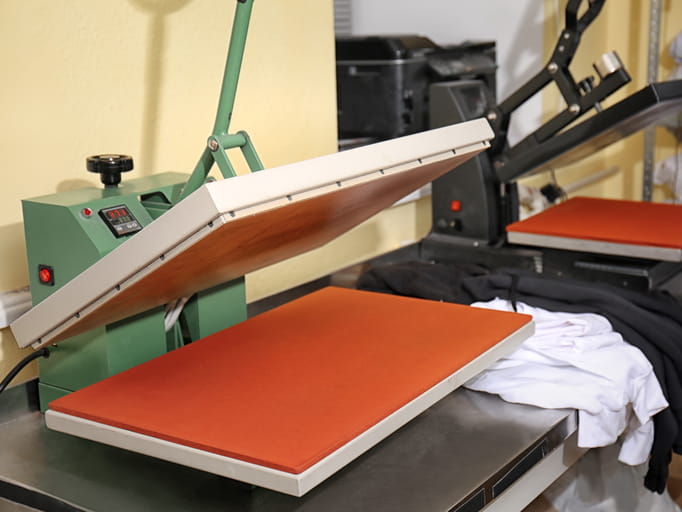
Let’s consider these key factors for accurate settings before application.
What Factors Make Up Heat Press Settings
Heat press settings include temperature, time, and pressure.
Temperature
It is the heat level used during application, which is usually measured in °C or °F. For most heat press settings for DTF, the common range falls between 150°C and 190°C (300°F to 375°F).
Time
Time setting is how long the DTF transfer stays under the press. Most DTF applications require between 10 and 30 seconds, depending on the fabric and transfer type.
Pressure
It controls how firmly the design bonds to the garment. Most machines categorize pressure as Light, Medium, or Firm, and you may adjust it manually with a top knob.
Why Different Fabrics Require Different Heat Press Settings
Different materials react differently under heat, so fabric choice directly affects DTF heat press settings.
- Some fabrics, such as polyester, nylon, and rayon, are more sensitive to heat and can become damaged if the temperature is too high.
- Thick garments often require more heat or longer pressing times because the material absorbs heat before it reaches the transfer.
- Fabric texture can affect adhesion, as uneven surfaces make it harder to apply consistent pressure during pressing.
Understanding these factors helps choose the right DTF heat press settings more easily for better transfer results and durability.
DTF Heat Press Settings for 6 Common Fabric Types
Different fabrics require different application conditions, so here are the recommended DTF heat press settings for 6 common fabric types.
1. 100% Cotton
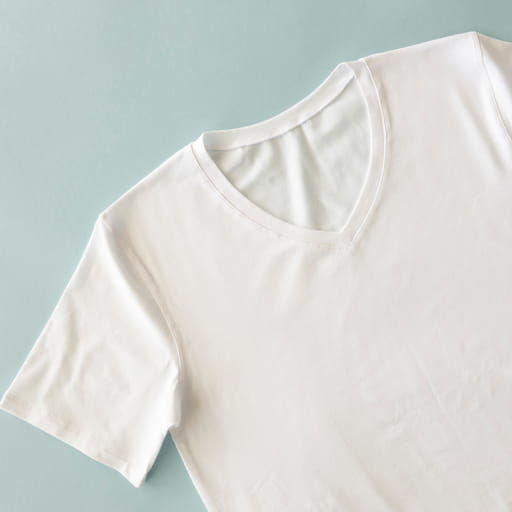
Cotton is a common choice when using a heat press for shirts because it delivers stable and reliable results.
Cotton handles heat well and absorbs adhesive effectively, which makes it one of the easiest fabrics for DTF application. Even so, uneven pressure and excessive heat can lead to application issues.
Most cotton garments work best at 305–315°F for 15–17 seconds with medium-firm pressure.
2. 100% Polyester
Polyester is more sensitive to heat, so overheating may lead to dye migration that affects the appearance of the transfer.
Lower temperatures remain essential, so you should increase pressing time instead of heat. The recommended DTF heat press settings for polyester are 270–285°F for 12–15 seconds with medium pressure.
Also, the transfer should be cold peeled only. This means it will be removed after it cools down completely, which helps the adhesive settle more securely onto the fabric.
3. Cotton/Poly Blends
Blended fabrics require balanced DTF heat press settings because each fiber reacts differently to heat. You should always treat the garment like its most heat-sensitive component.
For 50/50 blends, the recommended range is 285–300°F. Fabrics with higher polyester content, such as 60/40 blends, usually work better at 275–290°F.
4. Tri-Blends (Cotton/Poly/Rayon)
Tri-blend fabrics require extra care because rayon is more sensitive to both heat and pressure. Aggressive pressing can distort the material or leave uneven transfer bonding. Their softer texture also requires consistent pressure throughout the design.
Most DTF heat press settings for tri-blends range from 270–285°F for 12–14 seconds with medium-light pressure and cold peel.
5. Hoodies & Thick Garments
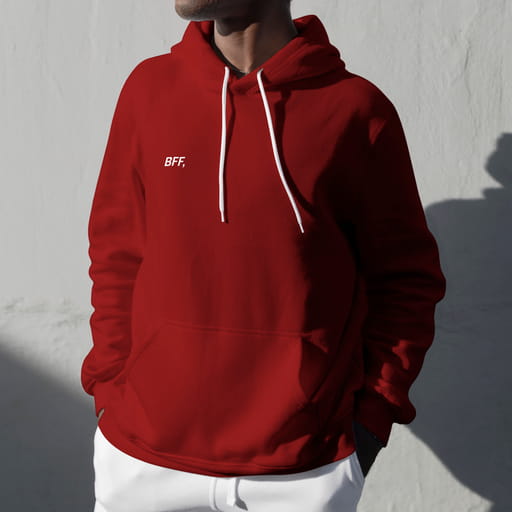
Thick garments create two common problems: the material absorbs heat, and seams and pockets may create uneven pressure areas. That’s why you should pre-press the garment for 3–5 seconds to remove moisture and flatten the surface before applying transfers.
You should press the transfer at 310–320°F for 17–20 seconds with firm pressure. Additionally, to achieve more even pressure around seams and pockets, you can place a pressing pillow underneath the garment during application.
You should also pay attention to pressure consistency because insufficient pressure may make center bonds, but edges lift.
6. Nylon & Athletic Fabrics
Nylon and athletic fabrics carry the highest risk during pressing because nylon can melt easily, and coated athletic materials react unpredictably to heat. Most nylon fabrics require 260–275°F, while athletic garments work better at 270–280°F.
You should always test samples first before you order DTF transfers for bulk production. Since nylon varies by weave and coating, you need to start at lower temperatures and increase by 5°F only if adhesion remains weak.
Besides, using a Teflon sheet can help reduce direct heat exposure on the fabric surface. It creates a protective layer between the garment and the heat press platen for an effective application.
Quick Reference Table
| Fabric | Temp (°F / °C) | Time (sec) | Pressure | Peel |
| Cotton | 305–315°F / 150–157°C | 15–17 | Medium-Firm | Warm/Cold |
| Polyester | 270–285°F / 132–140°C | 12–15 | Medium | Cold |
| Cotton/Poly Blends | 275–300°F / 135–149°C | 12–16 | Medium | Warm/Cold |
| Tri-Blends | 270–285°F / 132–140°C | 12–14 | Medium-Light | Cold |
| Hoodies | 310–320°F / 154–160°C | 17–20 | Firm | Warm/Cold |
| Nylon/Athletic | 260–280°F / 127–138°C | 10–15 | Light-Medium | Cold |
General Tips for Heat Pressing Any Fabric
In addition to DTF heat press settings, here are some basic practices to help improve durability and reduce common transfer problems.
- Check the supplier’s instructions because recommended DTF heat press settings may vary between different transfer materials.
- Clean and maintain your heat press machine regularly to keep the temperature and pressure accurate over time.
- Use a Teflon sheet to protect both the fabric surface and the transfer during pressing.
- Test every fabric before full production.
Last thoughts
In conclusion, getting the right DTF heat press settings is essential to getting better print results on every fabric. Using suitable temperature, time, and pressure for each material helps improve adhesion quality, print appearance, and long-term durability while reducing common transfer problems.
If you want more reliable and consistent transfer results, you can print DTF transfers with us. CustomAny provide high-quality transfers that are ready to press, printed with sharp details and vibrant colors, and designed to work effectively on different fabrics. Our transfers are also produced for stable adhesion and smoother application, making them suitable for both small projects and bulk production.