Blog
Heat Press Pillow, Pad or Shim: What’s Best for Applying DTF Transfers

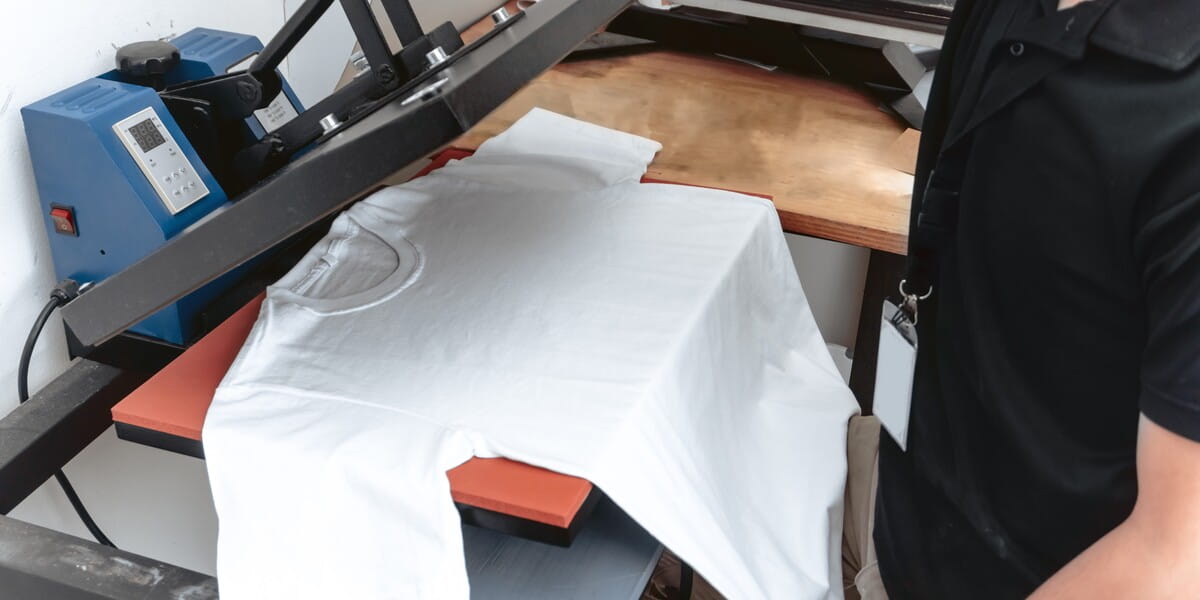
A heat press pillow is one of the common heat press accessories that comes up early when applying DTF transfers. However, a pillow can be confused with a heat press pad or a heat press shim as they do similar things. Actually, they’re not, and using the wrong one for the wrong purpose is one of the more common reasons a DTF heat pressing does not turn out as expected.
So, in this blog, we will break down the difference between a heat press pillow, a heat press pad, and a heat press shim. We will learn what each one does, and which surfaces they actually work best on so you can choose the most suitable pressure support tools for either If heat pressing a hoodie with thick seam or a tote bag with a zipper.
Why Pay Attention to Pressure While Applying DTF Transfer
About Applying DTF Transfers
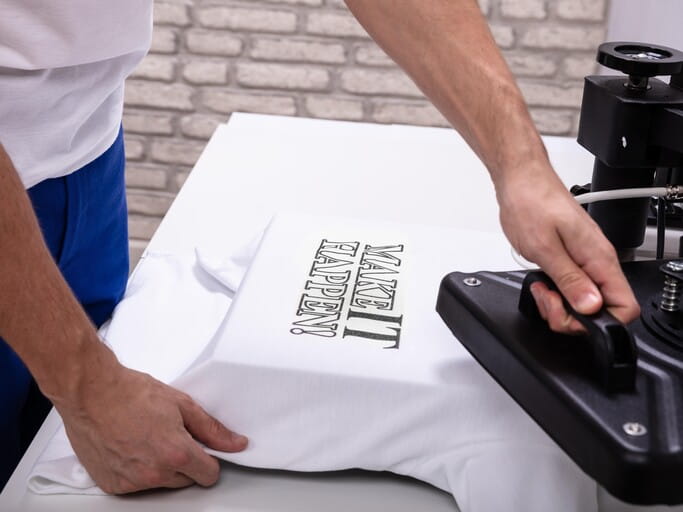
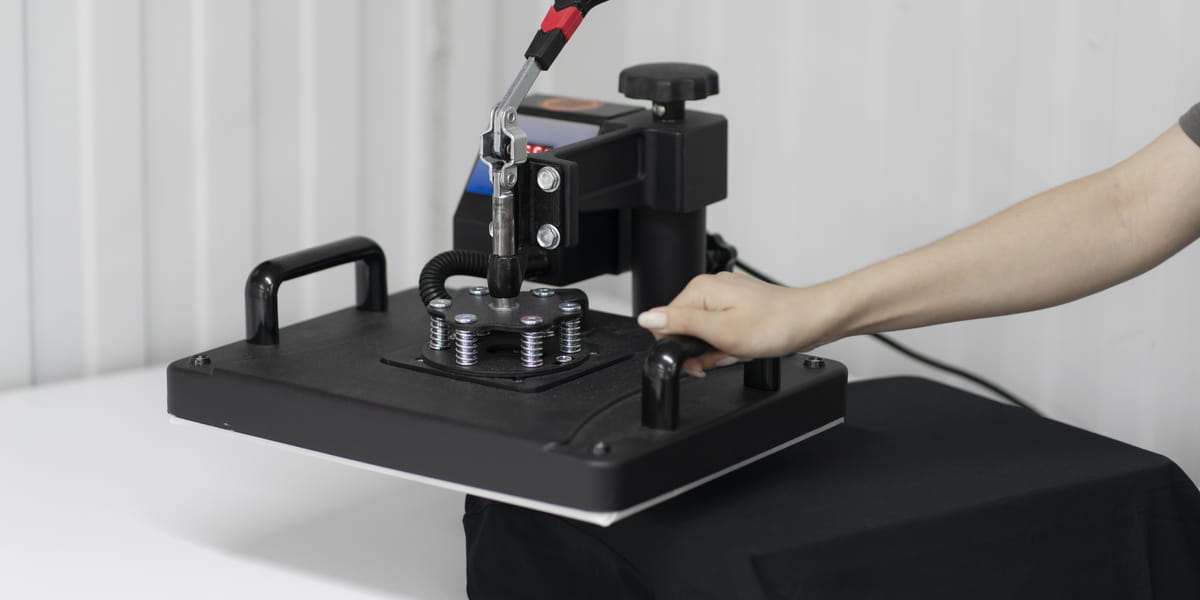
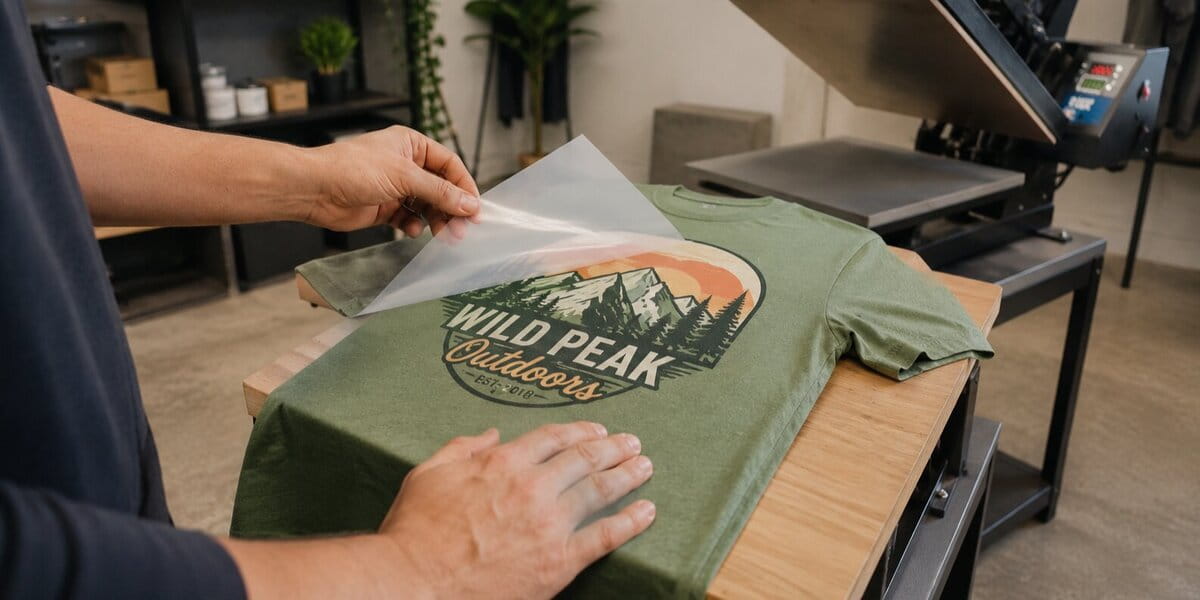
Applying DTF transfers can be done with either an iron or a heat press machine. You may want to read our guides like “How to Apply DTF Transfers with Iron” or “How to Press DTF Transfers“.
Whichever tool you use, both require heat and pressure to bond the transfer film to the fabric, so the process is called heat pressing.
Pressure requirements
Pressure is one of 3 factors (heat, pressure and time) we need while applying DTF transfers. Pressure help your DTF transfer bonds properly to fabric by:
- Creating full contact between the DTF transfer and the fabric surface
- Pushing the adhesive powder of the transfer into the fabric fibers so the ink bonds properly
- Keeping the transfer from shifting during the press
- Allowing an even heat distribution across the whole DTF transfers
Why We Should Use Pressure Support Tools
When pressure is uneven, your DTF transfers can’t bond consistently across the design. However, uneven pressure doesn’t only come from your press settings. The garment and the surface condition you’re pressing on matters just as much.
Most garments are not perfectly flat, with seams, zippers, snaps, buttons, and embroidery stacks that create raised areas. These areas lift the platen of the heat press machine or the iron away from the fabric. It is when your transfer can’t make full contact with the surface, resulting in uneven pressure.
This is where the pressure tools: heat press pillow, pad, or shim comes in to solve the problem.
Learning About Heat Press Pillow, Pad or Shim
A heat press pillow, a pad, and a shim are all pressure support tools. When placed underneath the garment, between the platen and the fabric, they help level out the print surface so pressure is applied even across the entire design.
However, these tools serve different garment types and purposes so let’s see which one suits your needs best.
1. Heat Press Pads
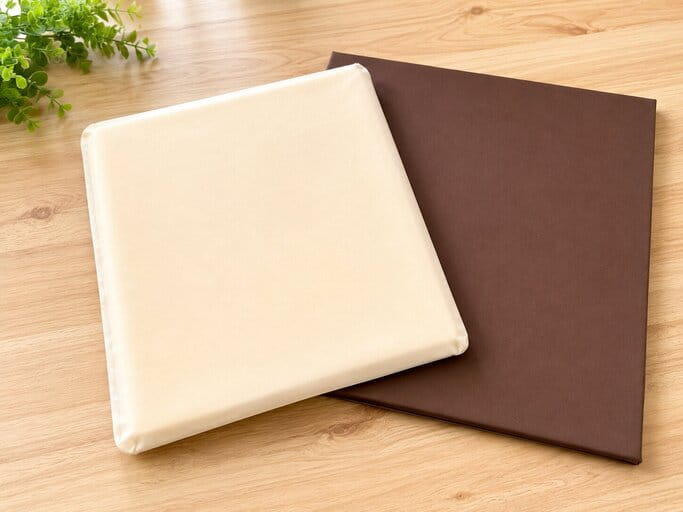
A heat press pad, made of hard foam or silicone, is the most common tool for those who apply DTF transfers regularly. It is also the more rigid option of the three.
Heat press pads are:
- Flat and firm, with very little give under pressure
- Available in multiple sizes to match different print zones
A pad barely compresses when the platen of your heat press or your household iron comes down, so the DTF transfer surface holds completely still during the press. It works for all cases in which garments that are mostly flat but need a stable base to press against, especially when you want clean, precise edges on the final print.
2. Heat Press Pillows
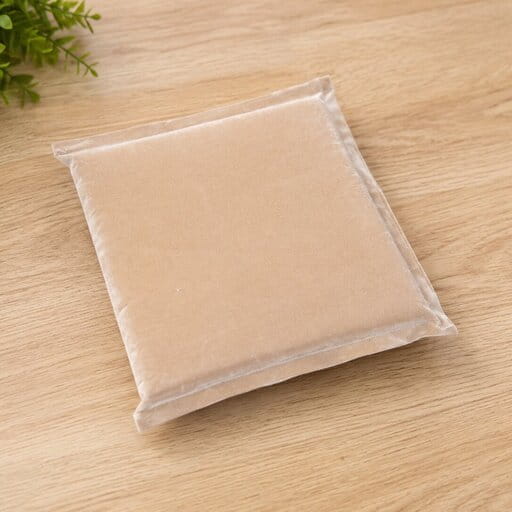
A heat press pillow is a cushioned and compressible one, filled with soft silicone or foam.
Heat press pillows are:
- Softer and more flexible than a pad
- Similar in size to a pad but built to compress rather than hold firm
When you put a pillow under the garment, zippers, snaps, and buttons sink into the soft material instead of pushing back against the platen. This way, you can push pressure downward easily and make a full and even contact between the transfer and the fabric surface.
3. Heat Press Shims
A heat press shim can be made of either felt, cardboard, or rubber. It is the most targeted of the 3 pressure support tools. With small and thin size, it is suitable if you need a precise press rather than a full and even contact for the whole large area.
For example, a shim is what you can use to fill the gap under one specific ridge or seam at a time. By placing it directly under the problem spot, you bring that area level with the surrounding surface and let the platen press down evenly.
Which Pressure Support Tool Should You Use
Now that you know what each tool is and how each works, choosing between them comes down to the garment you’re pressing and the specific purpose you need.
1. When to Use a Heat Press Pad
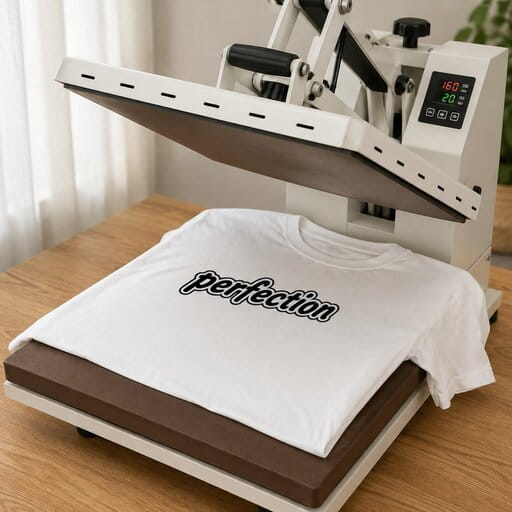
A pad is the right choice for almost all situations when the garment surface is flat and your main concern is keeping consistent pressure across the print area. If the garment lies flat and there’s nothing pushing back against the platen, a pad gives you the stable, firm base you need for clean edges and sharp detail.
You should use a pad include for applying DTF transfers to:
- Centered areas or chest badges on flat panels
- Back areas, away from seams or structural elements
- Areas close to cover-stitch ridges or pocket tops where the surface is still relatively even
2. When to Use a Heat Press Pillow
A heat press pillow is what you need for anything clothing with protrusions that would push back against a firm surface. That means a pillow works best when the garment has hardware or structural elements that create significant raised areas.
So, use a pillow when you’re pressing onto areas like:
- Zip hoodies and jackets with zippers running through or near the print area
- Garments with snaps, rivets, or embroidery stacks
- Hardware-heavy totes and bags
3. When to Use a Heat Press Shim
A shim is the right choice of pressure support tools when the surface you are working on is narrow and isolated. Specifically, this tool works well for:
- Pocket lips and single seam lines
- Side seams and piping
- Linear obstructions where placing a full pad or pillow would cover more surface than necessary
Last thoughts
A heat press pillow, a pad, and a shim can bring out the best result for your DTF transfer application if they are used properly. Hopefully our comparison and guide cleared that up before it becomes a problem for you.
If you find our article useful and want to explore more about DTF transfers as well as how to create and handle them, you may want to read more on our blog page. We have guides covering everything from design ideas and application techniques to heat pressing tips for specific garment types.